
1 Vaccine safety, approval, and rollout Haumaru rongoā āraimate

Vaccine safety, approval, and rollout | Haumaru rongoā āraimate
Topics raised by submitters
Most discussed
- Experiences of vaccine injury or harm
- Submitter descriptions of the vaccine as harmful or lethal
- Views that the vaccine was developed too quickly or was experimental
- Claims that vaccine does not work
- Concern about lack of acknowledgement and support for vaccine injuries
- General support or the vaccine
- Support for the vaccine rollout
- Alternative treatments, alternatives to vaccines
- Pharmaceutical companies, vaccine harm liability, contracts\
- Views of the vaccine as safe; experiences of vaccine safety
Least discussed
Summary of submitter views
A high degree of doubt was expressed over the safety of the Pfizer COVID-19 vaccine. Many expressed views that it is not only more harmful than reported but that this danger was known and downplayed by the Government. Many people reported personal, or second- or third-hand accounts of injury, describing a multitude of health conditions that they directly or indirectly attributed to the vaccine. The vaccine was frequently said to have been subject to insufficient testing (most often by it being referred to as 'experimental'), and to a slightly lesser degree, it was criticised for not working.
A lack of support available after having suffered a vaccine-related harm was often strongly criticised, with people reporting difficulty receiving recognition of their injury and sharing perceptions of systemic underreporting and stigma about vaccine harm.
Some submitters had concerns that vaccines were overly relied on (at the expense of other treatments that could have worked as well or better), and that international pharmaceutical companies and the Government are withholding the details of the purchase contracts. Pfizer being exempt from liability was a key concern, as was the impression that large amounts of money changed hands.
However, we also heard from people who trusted the vaccine, were grateful to have had it, considered it safe or to have saved lives, or felt the risks of side effects were minimal compared to those that COVID-19 posed. Support for the COVID-19 vaccine rollout predominantly consisted of praise for vaccination centres and positive accounts of getting vaccinated. There was some support for the prioritisation of certain groups in the vaccine rollout and people were grateful that vaccines were free.
For the future, people sought assurance that vaccines are tested for safety over a long period and by independent reviewers, they wanted more transparent information about side effects (including targeted pre-screening and exemptions for those at risk), and greater support and compensation for people who have experienced harm. Those who viewed the vaccine as safe called for better education contextualising risks and for government representatives to avoid politicising or fuelling misinformation about vaccine safety.
Vaccine safety, approval, and rollout: what went well | Haumaru rongoā ārai mate, whakaetanga me te whakaputa: Nga angitu
I was pleased to get vaccinated against COVID-19 and took advantage of the vaccination prompts received. I had a booster two days ago.
55-64-year-old Pākehā female, Nelson-Tasman
General support for the vaccine | Tautoko whānui mō te kano āriamate
The only reason I knew I had caught COVID-19 was because I once tested positive. And I understand and trust the science behind vaccines, so I took them without hesitation.
65-74-year-old Pākehā male, Auckland
Some people told us that they generally supported and trusted the vaccine. They described the vaccine as important, that they were grateful to have it available, and that it ultimately saved lives.
Many people reported that they got vaccinated and continue to stay up to date with their boosters. There were a number of comments in which people stated they were vaccinated and had never caught COVID-19, or that it was relatively mild post-vaccination.
People who supported the vaccine sometimes expressed trust in the scientific basis of vaccination. There were also comments in which people mentioned how vaccines are vital to public health, citing personal or familial experiences with diseases like polio and how important vaccines were in eradicating those.
Support for the vaccine rollout | Tautoko mō te whakaputanga kano āraimate
I was grateful for the ease of getting a vaccine and our local vaccination centre was very well run. My son has intellectual disabilities and health issues, and we received extra help to get him vaccinated both at the Autism centre [location] and with home vaccinators when getting him vaccinated in the centre wasn't possible.
45-54-year-old Pākehā female, Wellington
Vaccination centres: access and experiences
Some offered wide ranging points in support for vaccination centres as being a key focus of success for vaccination rollout. A central aspect of this was the booking process, which was said to be straightforward, accessible, streamlined, and organised. People expanded upon this point, offering praise for the speed in which vaccination centres and processes were implemented.
Some also expressed gratitude for what they saw as a high level of professionalism, competency, adaptability, and friendliness of vaccinators, and they were pleased that they received advice and information about vaccination benefits and potential side effects. Working collaboratively alongside iwi, whānau, and Pacific health groups was praised by some as having helped establish trust and contribute to higher vaccination rates than what could have occurred.
One way that trust is built and maintained within these services is through their style of communication. All have an emphasis on really listening, taking time to answer questions whānau may have, and being non-judgemental in their approach. This included a common response to those declining vaccination: "kei te pāi". Their welcoming approach extended to encouraging people to attend vaccination events and have a cup of tea and just observe. This meant that those with doubts were able take their time to think about vaccination over several events with some eventually deciding to vaccinate. This is a well-known approach to overcoming reluctance in many contexts.
Health advocacy group
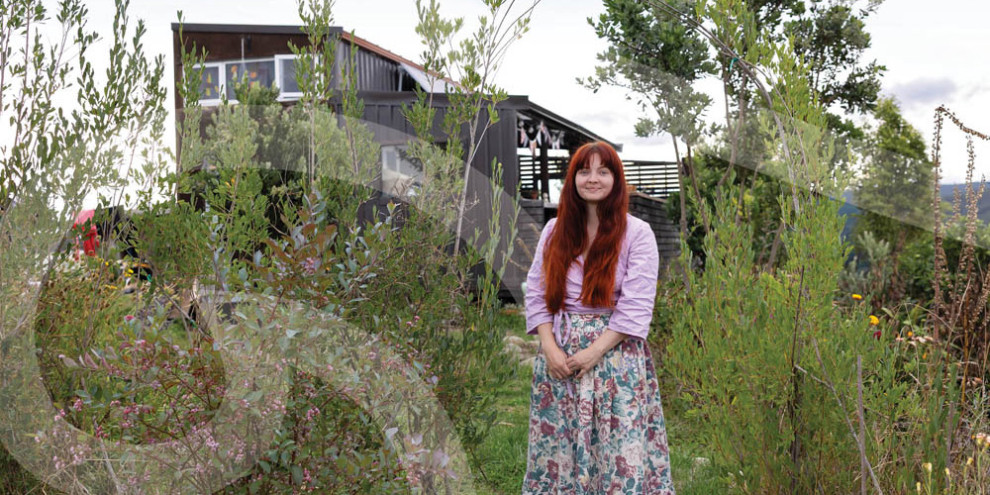
Anna's Experience
Anna Naygrow, 25-34-year-old female, Nelson-Tasman
One of the most significant benefits for me was being prioritised in the vaccine rollout. Knowing that high-risk individuals like myself were at the front of the queue was incredibly reassuring. It meant I could get vaccinated early, reducing the fear of severe illness or complications from COVID-19. However, my vaccination journey wasn't without its challenges. My first dose didn't go as planned – it hit a capillary, causing an adverse reaction that left me feeling vulnerable and anxious about future doses.
The medical team took my reaction seriously and worked closely with me to ensure my safety moving forward. They didn't just brush it off; instead, they carefully monitored my condition, adjusted their approach, and made sure my next doses were administered in hospital to minimise risks. This level of personalised care and attention made all the difference. It showed me that the system wasn't just about rolling out vaccines quickly – it was about doing so safely and with compassion for individuals like me. Another reminder to me on why I'm so grateful for New Zealand's PUBLIC healthcare system.
Looking back, I feel incredibly fortunate to have been in New Zealand during the pandemic. The Government's swift action, the healthcare system's adaptability, and the kindness of the medical professionals who supported me through my vaccination journey all played a part in keeping me safe. As someone with heart failure and blood clot risk, I couldn't have asked for a better response – it truly felt like the country had my back.
As a New Zealander living with congenital heart failure, I can confidently say that New Zealand’s response to the COVID-19 pandemic was not only one of the best in the world but also a lifeline for people like me. From the very beginning, the Government’s proactive ‘elimination strategy’ made me feel safe and protected. The strict border controls, nationwide lockdowns and clear communication from leaders like Prime Minister Jacinda Ardern gave me confidence that the country was doing everything possible to keep us safe. For someone with a pre-existing condition like mine, this approach was a game changer.
To hear more about Anna’s COVID-19 experience, watch her video testimony that she provided to the Commission during the hearings process.
Across all regions and communities we heard from, many people felt the most effective vaccination approaches were community-led initiatives that used existing community leadership structures, trusted voices, adequate education time and culturally appropriate messaging. The regional engagements consistently showed that the utilisation of established community relationships was more successful than creating parallel government systems.
The Christchurch engagements noted that success came from working with existing community networks rather than the imposition of top-down mandates (this was said to have been particularly effective in Christchurch because of strong post-earthquake networks and speaks to the value of ongoing investment in community relationships for emergency preparedness).
Auckland engagements showed how Pacific churches became highly effective vaccination sites because they combined trusted community settings with peer support and culturally appropriate approaches.
General support for the vaccine rollout
I was grateful for the Government providing free vaccinations and booster shots during the pandemic.
55-64-year-old Pākehā female, Wellington
Some expressed support for the vaccine rollout in a general sense, often simply stating that it was great or that it went well. Others praised the efficiency with which the vaccine rollout was coordinated and organised to enable optimal accessibility to vaccines. Another feature of accessibility discussed in support for the vaccine rollout, was people's appreciation for vaccination being at no cost.
Rollout prioritisation
Prioritising and, in doing so, protecting those most at risk was a key sentiment expressed in support of the vaccine rollout. Some people spoke to their experience with gratitude for themselves or loved ones who were of higher risk being able to get vaccinated early on, and were generally in favour of the risk-based priority rollout. Specific groups were commonly mentioned when describing higher risk groups and these typically included: immunocompromised (including chronic illnesses and underlying health conditions); older people; Māori and Pacific Peoples; and frontline healthcare workers.
And developing a structured vaccination programme that accounted for risk-based prioritisation (for example, frontline healthcare workers, elderly populations, and those with underlying health conditions). This strategy helped to maximise protection while managing logistical challenges.
35-44-year-old male, Manawatū-Whanganui
Views of the vaccine as safe; experiences of vaccine safety | Ngā tirohanga e pā ana ki te haumaru kano āraimate: Ngā wheako o ngā whara me te kino e pā ana ki te kano āraimate
Many people who supported the response described the vaccine as safe. Some of these people told us their personal experience of having the vaccine/boosters, many of which described having no side effects. There were a few people who said they received the vaccine while pregnant and/or breastfeeding, and that they were happy it was available to protect their child. In general, this group of people characterised the vaccine as safe and said they trusted the safety processes the vaccine went through prior to being rolled out.
We got vaccinated as soon as we were eligible, as did the children. The worst side effect any of us had was an arm that ached for a few hours. They have been proven, not just in the studies but in the real-world data that has followed, to be both safe and effective.
35-44-year-old Pākehā male, Bay of Plenty
Support for vaccine development and approval | Tautoko mō te whakawhanake me te whakaetanga o te kano āraimate
Vaccine as safe and effective
Our elderly mother/mother-in-law with severe respiratory disease and an inoperable abdominal aortic aneurysm was able to survive several extra years (well over all medical expectations). She had six COVID-19 vaccines, with no obvious side effects whatsoever, despite being quite medically compromised.
45-54-year-old Pākehā female, Canterbury
People often paired aspects of safety and effectiveness when talking on this topic, and when speaking to one aspect, most commonly discussed vaccine effectiveness. The vaccine was praised for reducing the severity of COVID-19; preventing transmission; reducing hospitalisation; saving lives; and protecting the healthcare sector from overload. Some people pointed to the safety of vaccines by noting they had no adverse reactions and by making statements around being confident in the safety data and information that was provided. Some also showed support for vaccine safety and effectiveness by stating they continue to get boosters when eligible.
Approval process, general vaccine efficacy
Many people told us they were satisfied with the safety testing and clinical trials the vaccines underwent. This point was elaborated upon by people talking about trusting the regulatory approvals undertaken by Medsafe, and that of the Food and Drug Administration in the United States. People also noted that Aotearoa New Zealand benefitted from waiting for the vaccine to be rolled out in other countries, concluding that this meant the vaccines are safe and effective. Some people also expressed that the rapid development of vaccines was a testament to international cooperation and scientific innovation.
While the mRNA was a new vaccine, Medsafe only approved it after it was approved by the US FDA and after we got additional data from the States.
Advocacy group
Support for vaccine despite side effects | Tautoko mō te kano āraimate ahakoa ngā mate āpiti
Of the people who supported the vaccine, some specifically noted side effects. Some people mentioned that they experienced minor side effects but accepted these as part of having a vaccination. Others discussed more major complications but maintained that they support the vaccine and would get it again. In these types of comments, people tended to weigh up lives saved with adverse reactions that can occur, concluding that there was net benefit.
There were a few people who specifically acknowledged the support they received post-vaccine injury as exemplary and that they felt well-supported by the system.
I'm grateful for the Government response, because I have a very minor heart condition. I felt it react to some of the vaccinations, and when I actually caught COVID-19 eventually (in 2024), the virus very much affected my heart. I knew that the reaction to the vaccines and boosters was minimal, in absolute contrast to what the virus would've done, if I was not vaccinated.
45-54-year-old Pākehā female, Otago

Kelvin's Experience
Kelvin Green, 45-54-year-old male, Auckland
I'm a locksmith and since some of our clients include hospitals, prisons, and isolation places for travellers, we were considered "essential workers.
I had my first vaccine which was pretty rough. I had a fever reaching 38.9 degree, diarrhoea, body aches, chest pains. I was off for a week. It was pretty rough, and I lost 4.5kg during this time. Please don't get me wrong, I am still pro vaccine, and I see their value. Even when I returned to work, I was so drained and had no energy, barely able to do a day of light duties.
A while later I had to have another vaccine for work. This I dreaded! There was no way I could avoid it without losing my job...even if I had office work it was unavoidable. To keep my job/ house I delayed as long as possible.
This vaccine wasn't as bad BUT the side effects lasted longer, and the chest pains were worse. This time it involved about ten days off work. All in all, I used up more than a year's sick leave just for the vaccines. Later I contracted COVID-19 and compared to the vaccines it was a breeze (still pretty rough, but nowhere near as bad as the vaccines).
To hear more about Kelvin’s COVID-19 experience, watch his video testimony that he provided to the Commission during the hearings process.
The Inquiry engaged directly with Voices for Freedom who presented extensive testimony challenging official safety narratives, including international experts discussing biodistribution concerns, DNA contamination theories, and claims about increased mortality following vaccination. While these perspectives were not accepted by the majority of medical and science communities, they illustrated the range of concerns circulating in communities.
In contrast, the Vaccine Alliance Aotearoa New Zealand (VAANZ) engagement provided strong scientific validation of vaccine safety and effectiveness through their local Ka Mātau, Ka Ora cohort study, which confirmed vaccine safety and effectiveness in New Zealand's diverse population. This demonstrated the value of local research in building community confidence in public health measures.
Conditional support for vaccine approval and rollout | Tautoko here mō te whakaetanga me te whakaputanga kano āraimate
Approval, procurement and rollout process seen as too slow
While some submitters were supportive of the Government's measures pertaining to vaccine approval, procurement and vaccine rollout, some opportunities for efficiencies were identified.
In some instances, people also acknowledged the rationale for slow approval, procurement and rollout, while simultaneously offering criticisms to varying degrees.
I was happy and eager to get a vaccine. I was anxious for vaccines to be approved for my children when they were available elsewhere in the world for their age group.
45-54-year-old female, Wellington
The Government appeared to be slow in ordering the vaccines and getting them into N.Z.
35-44-year-old Pākehā gender diverse person, Auckland
Most commonly people said they wanted vaccines to have been available sooner and for them to have been available in greater quantities. People illustrated this point by making comparisons to other countries' procurement of vaccines (United Kingdom, Australia, United States). They wanted Novavax to have been more accessible and options other than Pfizer available. While acknowledging the approval process needs to be safe and well-evidenced, some people saw the potential for efficiencies, for example, Aotearoa New Zealand regulators using the safety data of other countries to fast-track approval. Some also voiced frustrations about the vaccine rollout being too slow, but this sentiment was less prominent.
Concerns about vaccination prioritisation and access to vaccines
Vaccines should be available to kids under five. Each time we caught COVID-19 it was ex-schoolers.
35-44-year-old Māori/Pākehā male, Wellington
People who wanted the vaccine sometimes made points that people's age; ethnicity; and geographical location meant they were not able to get it as soon as they wanted. The most common points were those related to the vaccine rollout for young people and included that children should have had earlier access to vaccines; that children under five should have access to vaccines; and that children and under 30's should be eligible for boosters. Further, relating to other age groups, some expressed support for those 65 years and over getting vaccinated first but stated Māori and Pacific peoples, regardless of age, should have been eligible within this initial rollout.
The age-based 'rollout' did not work at all well for my multi-generational, rural, whānau. My sister was carer for our disabled mother. She lived 45 mins away from the nearest place to get vaccinated a 1.5 hrs return trip. Her two kids were aged 10 and 15. So, during the age-based 'rollout' she was required to make three x 1.5 hour round trips to get our mother done and then her and then her children done too!? Pathetic. So silly that she couldn't get her entire whānau done altogether in one trip.
45-54-year-old Māori/ Pākehā male, Canterbury
Secondly, some people felt the vaccine rollout should have been more equitable. For some this meant greater priority for Māori and Pacific peoples, which was thought to have resulted in more equitable outcomes. Conversely, some people felt that priority for Māori and Pacific people was unfair.
As a GP I was disappointed in the launch of the vaccine programme completely by-passing general practice. It became evident very quickly with both testing and vaccines that general practice was rapidly scalable in a way that large pop-up testing and vaccine centres were not. If every general practice in NZ (about 1,000) did 10/day that is 10,000 done today and tomorrow and ongoing... and closer to home for the population.
65-74-year-old Pākehā female, Canterbury
Thirdly, some discussed equitable access in relation to rural, isolated communities and the intricacies of getting family groups vaccinated. Some people also expressed that people living in Auckland should have been prioritised and had greater access to vaccines than less densely populated regions.
Some people offered additional unique points for Government measures pertaining to vaccine approval and rollout. Relating to alternatives to vaccines, people discussed the therapeutic value of antivirals being overlooked and the vaccine not being as effective as hoped. In relation to vaccination centres and vaccinators, people suggested that : medical centres should be the only place where vaccines are administered; other skilled health professionals should have been trained to vaccinate alongside nurses and doctors; and some mentioned the waste of the disposal of unused vaccines.
General support for vaccine decisions | Tautoko whānui mo te whakataunga kano āraimate
Some told us they generally supported vaccine related decisions by making simple or sweeping statements praising many aspects of vaccine approval, procurement, and rollout. Statements such as 'we are all happily vaccinated' conveyed general satisfaction with vaccine decisions.
Vaccine procurement went well | I angitu te hoko kano āraimate
Some people were broadly supportive of the Government's procurement of multiple vaccines (Pfizer, AstraZeneca, and Novavax) and praised the speed with which these were sourced and imported. Often these submitters acknowledged and supported that other countries were in greater need of acquiring vaccines before Aotearoa New Zealand.
That [Dame] Jacinda [Ardern] had forged good relationships with other nations, for example, Spain that enabled us to get our vaccines reasonably early. At the time I think the Government had thought that other countries with more deaths should have more access to vaccines, earlier than us – and I also support that way of thinking.
65-74-year-old Māori/ Pākehā female, Northland
Vaccine safety, approval, and rollout: what could be improved
Haumaru kano āraimate, whakaetanga me te whakaputa: Ngā mea hei whakapai ake
Experiences of vaccine injury or harm
Ngā wheako o ngā whara me te kino e pā ana ki te kano āraimate
Note: this section presents people's accounts of vaccine injury or harm that they told us happened to them or someone they are close with. People that talked about such conditions resulting from the vaccine are discussed in the next section.
My daughter- in-law who is a nurse acquired acute myocarditis after receiving the vaccine and required a hospital stay. Her heart is permanently damaged as a result. She will never be able to run again.
65-74-year-old Pākehā female, Waikato
Heart conditions
Heart conditions or irregularities were the most common vaccine injury or harm event described in submissions. This was often phrased as a problem, issue, injury, event, or condition in the heart or chest region and accounts ranged from short term increase in heart rate or mild chest pain to diagnosable conditions or heart attacks. People commonly named myocarditis and pericarditis in accounts and outrage was often expressed at how injuries were managed by health professionals or the Government, considering that myocarditis and pericarditis are recognised side effects.
The Inquiry engaged directly with Voices for Freedom who presented extensive testimony challenging official safety narratives, including international experts discussing biodistribution concerns, DNA What is actually in these jabs. People close to us have died suddenly mainly of heart attacks.
75-84-year-old Pākehā female, Nelson-Tasman
In more detailed accounts, some people described experiencing symptoms such as chest pain or inflammation, excessive sweating, fatigue, fainting, and difficulty breathing. Heart irregularities were frequently described as a pounding or racing feeling, frequently prompting people to seek medical treatment or avoid further vaccines.
My sister took one Pfizer vaccine and ended up with myocarditis. What followed were a series of strange illnesses including tinnitus, vertigo, nausea, heart palpitations. She became very suicidal during this time, and a psychologist told her that she had PTSD because of all she had endured.
55-64-year-old Pākehā female, Taranaki
Soon after (weeks) my blood pressure went through the roof and I started experiencing a rapid pounding heart which continued to escalate into 2022. During 2022 and 2023, I collapsed over 30 times with rapid heart rate chest pains and difficulty breathing.
45-54-year-old Pākehā female, Auckland
Specialised treatment and diagnoses were frequently sought and/or obtained from cardiologists or other specialists, with some stating that their condition was initially downplayed or dismissed by general care doctors (see 'Lack of acknowledgement and support for vaccine injuries' for more on this topic). Some people felt that the increased likelihood of these injuries should have warranted more health advice, information, and consideration of medical history within the rollout programme.
My brother got myocarditis from the vaccine and was hospitalised. Unfortunately, the doctors in Waitakere Hospital were not yet aware of this side effect. Biochemical evidence was present in my brother's blood tests yet he was dismissed and not believed. Unfortunately, this experience had a profoundly negative impact on him. I urged him to see a cardiologist as he had private health care – it was confirmed he had myocarditis.
45-54-year-old Pākehā female
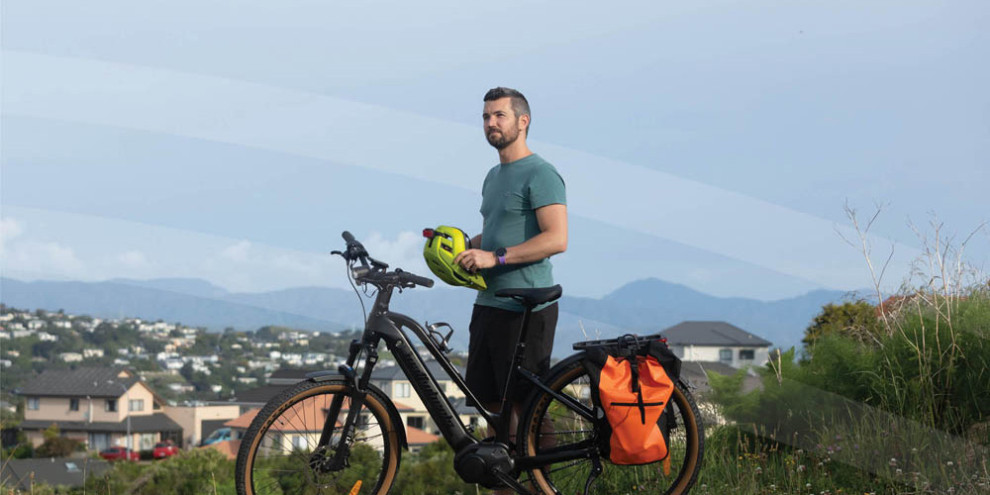
Jason's Experience
Jason Cluley, 35-44-year-old male, Wellington
It was not my desire to get any vaccines [and] I avoided the vaccine until I was unable to continue working without the vaccine.
Since receiving the vaccines, I've had many heart issues and symptoms that I didn't have before the COVID era. Late September last year, I had a cardiac arrest while playing soccer and would have died, if not for several interventions and some quick thinking from people nearby. I spent about three weeks in the hospital and had surgery, receiving an implantable cardioverter defibrillator (ICD). Since my first cardiac arrest, my heart has fallen into a deadly heart rhythm three times, and I have received three life-saving shocks from my ICD on each separate occasion.
The past few years have been tough trying to find solutions or answers regarding my heart issues, and the past six months or so since my cardiac arrest, in particular, has left me feeling trapped at home, unable to live freely and ably like I want to, and suffering from time to time. The heart condition is called Heart Failure, and that's pretty much how it feels. Sometimes I feel like I'm slowly dying.
Doctors have refused to suggest that this condition could have originated from the vaccines, which I understand. I guess they're not allowed to make that suggestion. They say it's probably from COVID-19 itself or a virus. However, when these symptoms were first apparent, I hadn't yet had COVID-19, but it was shortly after the vaccines. I can't say I received the vaccines against my will, because I chose to have them to keep my job. But if they were optional, there's no way I would've had them. I don't think it was right to force vaccines on anyone.
To hear more about Jason’s COVID-19 experience, watch his video testimony that he provided to the Commission during the hearings process.
Despite seeing other young men from around the world posting videos from hospitals warning of the serious risk of pericarditis and myocarditis, my son felt he had to take this huge risk just to keep his job and income. No medical exemptions were available for anyone who applied for them. So, it was devastating when my son quickly developed heart pain and was subsequently diagnosed with vaccine induced pericarditis.
55-64-year-old Pākehā female, Northland
Less often, some people pointed out that younger people, particularly young adult males, were at greater risk of developing these conditions from the vaccination, sometimes citing specific instances of younger people or relatives who were affected as evidence of this.
Non-specific vaccine injuries
In an act of fear of losing my job at an unstable time, I, like many others, gave in and got the vaccine. To this day I regret it as I have suffered health issues since.
25-34-year-old Māori/Pākehā female, Auckland
Of the people who discussed being vaccine injured, many did not refer to a specific condition. These people used general phrases like 'adverse event', 'ill effect', 'health issue' or 'vaccine injury' to describe their experience.
Every one of my employees who got the vaccination had some adverse side effect reaction, some taking as long as a year to manifest.
25-34-year-old Pākehā male, Taranaki
Some talked about non-specific health impacts or their health having 'taken a turn for the worst' since being vaccinated; similarly, not 'feeling the same' or their body not being the same since being vaccinated. These types of comments applied to personal experiences and those that were seen in others.
So many of our friends have had so many illnesses since putting that toxin in their body.
65-74-year-old Pākehā female, Bay of Plenty
Additionally, there were some comments in which unvaccinated people mentioned that they were grateful they refused the vaccination because they had observed so many health conditions in their vaccinated acquaintances. They talked about people they know who are vaccinated now regularly getting sick, coming down with illnesses or viruses, or being ill more often than the unvaccinated.
Cancers
Some people told us that cancers were an observed side-effect from the COVID-19 vaccine. There was no clear pattern within comments about the type of cancer or parts of the body affected, but cancer diagnoses being made within weeks or months (or even a year or more) since receiving a COVID-19 vaccine were reported. Cancers were likely to be explained as 'beginning', arising, or returning after having been vaccinated. And, as with many conditions that people linked to the vaccine, there was emphasis on the novel nature of them, for example, saying things like that these issues had 'never' arisen before or that those who suffered were previously 'fit and healthy'.
An incredible number of people I know from my close family and circle get sick from cancers, immunity, can't have children, miscarriages and some die suddenly from anything blood or heart related. Never seen so many sick from such serious illnesses.
25-34-year-old Pākehā male, Canterbury
I firmly believe the vaccine caused her breast cancer. We personally know of six other women who were diagnosed with breast cancer in 2023 alone. This is not a coincidence and needs to be investigated.
45-54-year-old male, Auckland
Cancers themselves were sometimes described as a particularly aggressive, rapid onset, or accelerated in nature. This included reference to 'turbo' cancer which was often believed to be the diagnosis behind specific instances of sudden and significant health decline post-vaccination, typically resulting in death. Specific cancer diagnoses were also noted as examples of the unique 'turbo' variant caused by the vaccine. This was linked with the idea that the vaccine itself is inherently dangerous.
Then there is my friend's mother who died a painful and ugly death after receiving her booster, cancer starting in her neck and spreading in a manner now widely referred to as 'turbo cancer'... My neighbour down the street has turbo cancer, as did my friend's husband, both vaxxed multiple times.
75-84-year-old gender diverse person, Nelson-Tasman
The prevalence and timing of illness supported some people's view that it was caused by the vaccine.
Autoimmune issues
Some people who commented on vaccine safety described developing autoimmune issues that they attributed to the vaccine. Chronic fatigue was a prominent side effect that people reported as either developing post-vaccination, or as something they had struggled with in the past that had returned after they were vaccinated. Other people referred to a variety of autoimmune diseases, including Guillain Barré Syndrome, Grave's disease and autoimmune conditions in general. There were also people who explained that their immune system had deteriorated after getting the vaccine and, as such, they were getting sick and picking up illnesses a lot more frequently than they used to.
My mum took the vaccine because she was scared of being left out of her mahjong group. Previously a very spritely, healthy woman, her health has since declined and she has developed autoimmune conditions.
35-44-year-old Pākehā female, Waikato
Additionally, some people discussed their experiences of Long COVID, stating that not only was this caused by the vaccine (rather than a COVID-19 infection) but that this has now been established as fact.
Common or short-term side effects
Some people who reported vaccine harm told us about a range of side effects from the vaccine that fell under the list of common side effects provided by the Ministry of Health. These included a sore arm, throbbing at the injection site, nausea, fatigue, fever, aching joints, and dizziness.
The tone of the responses indicated that these people did not accept their experience as a standard vaccine reaction. They often used their reaction as evidence that the vaccine is harmful, explained that they were severely inconvenienced by the side effects, or stated that they have become distrustful of vaccines because of the ill health it caused them.
My ex-partner had to be hospitalised after his second jab as he woke up with severe chest pain that night. He called himself an ambulance, he said he thought he was going to die. When she reported the adverse effect, she was told by authorities to have her third in hospital.
55-64-year-old Pākehā female, Canterbury
After receiving my first COVID-19 vaccine, I experienced mild shortness of breath and extreme fatigue. The next morning, I could barely walk or do a 90 meter driveway. It was clear to me that the vaccine did not suit my body.
55-64-year-old Chinese female, Auckland
Neurological conditions
Neurological conditions attributed to the vaccine were relatively common amongst the reported side effects identified. This covered general descriptions of unspecified neurological 'damage' as well as specific neurological disorders, symptoms, or diseases. Many people discussed instances of fatigue, not being able to think clearly, or headaches that lasted for weeks, months, or years post-vaccination.
Some people described that family members or friends had been diagnosed with Parkinson's disease or dementia following their vaccine. Others reported instances of seizures, whether that was for the first time in their life or an increase in seizure frequency post-vaccination for those who already had the condition. Experiences of nerve-related conditions, functional neurological disorder (FND), and fibromyalgia were also reported by multiple people.
My symptoms started within ten minutes of receiving one dose in August 2021. Sensitisation, along with associated pain, fatigue and brain fog was chronic for months, and my body is still mending years later, as I only found relief through a private practitioner in late 2024. I have enjoyed very good health all my life and have not even suffered a cold for maybe twenty years, so this was quite a shock and was quite frightening for me.
45-54-year-old Pākehā female, Wellington
Within a couple of days of her first vaccination she had a seizure, before her next vaccination she had two seizures. After her second her seizures increased in number and complexity. Finally, we got to see a neurologist a couple of years ago, who has confirmed that it is a vaccine injury. The injuries she's received over this time and the lowering of quality of life is disgusting and never needed to happen.
45-54-year-old Pākehā female, Bay of Plenty
Non-medically recognised adverse events
Slightly less often, some people described personally experiencing or directly witnessing people they know develop symptoms or reactions that are either not scientifically verified or are not considered a diagnosable health issue within traditional medicine. Of these, 'turbo cancer' was the most prominent (discussed above). Vaccine 'shedding' was also prevalent with some people describing becoming ill from being in proximity to vaccinated people. Conditions they said they contracted varied from COVID-19 to anaphylaxis. Various descriptions of the biomechanics involved, or the vaccine technologies believed to be responsible, were also offered as explanation for the phenomenon.
A handful of people described human magnetism, the increased adherence or 'pull' of metal or electromagnetic objects towards the body, or other physical symptoms attributed to the physical proximity of magnetic or electromagnetic objects, as a side effect caused by the vaccine. Also, electromagnetic sensitivity was in a few cases a reported side effect, allegedly from the graphene that was said to have been present in the vaccine.
Strokes
I had a mini stroke on my right side which after multiple MRI scans the doctors couldn't pinpoint a cause, because strokes normally happen from the opposite side (but it was the right side I had both my injections). Now I'm on blood pressure tablets for life with no definitive reason why my blood pressure keeps spiking.
35-44-year-old male, Auckland
Strokes were also reported post-vaccination or were believed to be linked to the vaccines. Some people described how the stroke came out of nowhere and they had previously been healthy with no prior history of strokes. People between a range of ages reported strokes, from as young as 18 years old to senior citizens. Most submitters reported strokes occurring within a short time after getting the vaccine (varying from minutes afterwards to a number of days), while some told us they had a stroke months or years post-vaccination. In this case it was often described as occurring after a culmination of worsening health conditions that had been triggered by the vaccination. Most people told us they or someone they knew had a stroke, although other ways to describe/types of strokes that occurred post-vaccination included: mini-strokes, massive, debilitating, haemorrhagic, mild, rare, spinal, as well as some who said they experienced multiple strokes. At times, people stated that timely medical intervention to prevent progression was lacking.
Blood clots
I am not at all happy with any of it. My teenage daughter was forced into vaccinating for her job and two weeks later she was in hospital with blood clots around her lungs.
No demographic information provided
Blood clots were reported relatively often as instances of vaccine harm. Some people reported being hospitalised because of blood clots, and that they needed to be removed. In some cases, the clots resulted in serious conditions like pulmonary embolism. Location of the clots varied across submitters including: legs, knees, abdomen, lungs, brain, chest, and spleen, as well as other areas of body. Some people reported taking blood thinner medication long-term after developing blood clots post-vaccination, and there were many accounts where the health impacts of blood clots were said to be ongoing and highly debilitating. Throughout discussion on the vaccine in general, people sometimes referred to it as the 'clot shot'.
Menstrual issues
My daughter, who is a teacher and was mandated, had her period continuously for four months following her second vaccine.
55-64-year-old Pākehā female, Bay of Plenty
A variety of menstrual cycle irregularities, cramping, and hormonal changes were described by submitters. Some people stated they had general 'period issues', while others went into more detail about changes to their menstrual cycle. This included people who reported getting their period after they had gone through menopause, sometimes for abnormally long cycles. There were reports of people who had constant or heavy/ heavier bleeding for many months post-vaccination, while others reported their cycle becoming irregular.
Organ health
I received my first vaccine and was ill for over a week with headaches and vomiting. I was forced by my employer to take the second vaccine and when I did within 12 hours, I suffered severe kidney failure.
55-64-year-old Pākehā female, Canterbury
Some people reported a variety of ailments that impacted their organs. The most prominent area to be afflicted post-vaccination was the skin, with people describing a range of rashes, boils, discolouration, blisters, eczema, shingles, sores and itching that developed. Gastrointestinal issues that people told us about included prolonged stomach pain, nausea, vomiting, diarrhoea, and consequent weight loss. People reported cases of kidney failure or limited kidney function post-vaccination and impacts to bone health also came up in a number of submissions, particularly instances of osteomyelitis (bone infection).
As a teacher I was mandated to have the vaccine and, although the first two were fine, the booster was agony and left me with bone pain initially and now I have a lump in my arm. This lump affects my ability to move my arm and therefore get dressed/undressed, hold anything for any amount of time.
65-74-year-old female, Auckland
Reproductive health
The vaccine destroyed the ovaries of our daughter-in-law. Several IVF attempts failed costing tens of thousands of dollars. Infertility was, even at that time, known to be a side-effect of the COVID-19 'vaccine'.
65-74-year-old Pākehā female, Waikato
People described a variety of impacts to their reproductive health that they characterised as vaccine related. Miscarriage was described a number of times, with some submitters telling us that they lost a pregnancy or observed others miscarry in the days, weeks, or months after the vaccine. Some people were adamant that the vaccine had caused their miscarriage and opposed encouraging vaccination for pregnant people if the risks are not fully known. People reported experiencing multiple miscarriages and diagnoses of infertility post-vaccination. As well as miscarriages, people also discussed that since the vaccine rollout there has been an increase in babies dying within days of being born, or suffering from complications developed in utero.
Our daughter suffered two miscarriages which were attributed to the jab. You can't eat from a delicatessen, but our health professionals advocated jabbing pregnant women.
55-64-year-old female, Taranaki
Sensory systems issues
My brother had his retina detach and the vessels in his eye exploded. My brother could not stand with his head upright for more than 10 mins a day due to the severe haemorrhage. He was told it was due to his age – he was 50.
45-54-year-old female, Canterbury
Some people told us about changes to their sensory system that they attributed to the vaccine. This included tinnitus (ringing or other noises in the ear) and experiences of numbness in a multitude of places particularly in and around the face. Others described their experience of a metallic taste in their mouth, that occurred immediately after getting the vaccine. Furthermore, there were some people who described impacts to their vision. This included episodes of temporary blindness, blurry vision, and some cases of the retina detaching.
Inflammatory Issues
Some people stated that they, or others, developed arthritis, gout, or other inflammatory conditions following vaccination or that their existing conditions worsened because of the vaccine. Some reported a variety of types of arthritis, including psoriatic and rheumatoid. They described it as occurring in a number of different joints noting it resulted in significant pain that impacted on everyday functioning. Sarcoidosis, an inflammatory disease often formed in the lungs, was another adverse effect described.
I was double vaccinated but did not receive further boosters because of vaccination side effects of plantar fasciitis, tinnitus, peripheral neuropathy and small joint arthritis.
55-64-year-old Pākehā male, Waikato
Muscular function/pain
People reported a variety of muscular impairments after getting the vaccine. This included general pain, twitching, stiffness, weakness and a loss of function. Some people described instances of their legs seizing up causing them to fall and injure themselves. Impacts to muscular function were often listed as a reaction alongside other symptoms that are discussed throughout this section.
I felt a significant loss of muscle in my extremities after my second vaccine. I could no longer hold my body weight in exercise. I got bilateral tendonitis in my Achilles from no exercise. It was strange and in my mind, I could see the correlation with vaccines and feet problems. I was unwell for almost two years until I could start to exercise and build muscle again.
55-64-year-old Pākehā female, Otago
Severe allergic reactions
Some people described experiencing anaphylaxis or severe reactions immediately after vaccination. These people described a range of symptoms associated with the reactions that occurred, including but not limited to swelling, vomiting, numbness/ paresthesia, tachycardia, and rashes. At times, further vaccines were reportedly encouraged despite the submitter reacting badly to a first dose.
One colleague had an immediate serious life-threatening reaction on first injection. She received an exemption later to be withdrawn and given the option to "vaccinate – resuscitate" where staff and crash cart be on-hand when she had her second injection. She still has health issues today.
55-64-year-old Pākehā female, Southland
Bell's Palsy
Bell's Palsy, a type of facial paralysis, was reported as a severe side-effect of the vaccine. Many people discussed how this has been directly linked to the vaccine and had a major impact on the lives of those who developed it.
My grave concerns as to the safety and effectiveness of the vaccine were borne out by real life experience. The adverse effects I observed ranged from Bell's Palsy in the face of one family member.
55-64-year-old Pākehā male, Marlborough
Other issues
There were also reports of respiratory issues and people who described instances of spontaneous fainting/ collapse after the vaccine. Some people stated that the vaccine triggered symptoms of mental health conditions (anxiety, depression, PTSD), while others reported new diagnoses of diabetes post-vaccination. Additionally, there were a variety of unique conditions that people reported, ranging from hair loss to urination abnormalities, and a vast array of other ailments.
Some people reported incidents of suicide that were related in some way to vaccine injury. A portion of these comments included descriptions of the vaccine physically debilitating the individual so much that they reached the point of suicide. Some described how the person in question developed depression after taking the vaccine, while others were said to have become suicidal from being unable to cope with the impact of the vaccine on members of their family.
Side-effects were multiple and widespread
Some people told us they observed multiple different people within their family circle, friend groups, workplace, or in their wider community being afflicted with similar, or several different health conditions post-vaccination. The number of people listed was often extensive and was to illustrate the identifiable and widespread nature of adverse effects that they had observed. Phrases such as 'the list goes on' were also used, implying that impacts or symptoms went beyond what was directly mentioned.
I can add many more people to this list, people my family personally know. Some people who refuse to acknowledge evidence will write all of this off as "circumstantial" or "anecdotal" evidence, but our personal experience is consistent with millions of other people around the world. At what point do foolish people admit they got it all wrong?
45-54-year-old male, Hawke's Bay
I have a family member who willingly took the Pfizer injection required by her employer, a DHB. She had an extreme adverse effect after her second injection; she collapsed at home while alone. She told her mother she thought she was going to die. When she reported the adverse effect, she was told by authorities to have her third in hospital.
65-74-year-old Pākehā female, Hawke's Bay
Similarly, some emphasised that these instances 'only' included those they were directly aware of, implying that the scale of injury goes beyond their direct community, supporting their overall conviction that the vaccine is inherently dangerous. Frustration was often expressed at the lack of public acknowledgement of what appeared to be an obvious and widespread increase in observable health problems.
Submitter descriptions of the vaccine as harmful or lethal | Ngā whakamārama a ngā kaituku kōrero: he kino, he whakamate rānei
General reports that the vaccine is harmful
Myocarditis and pericarditis were caused by the jab and not "COVID-19" according to a large study and OIA.
No demographic information provided
Many people who opposed the Government's response stated broadly that the vaccine was causing widespread harm. People provided a range of evidence to support this including reports or studies, quotes from specific experts, and statements that data exists that shows an increase in deaths and diseases since the vaccine rollout. Opposition to the vaccine itself was evident throughout this topic. This was often demonstrated through the various ways people referred to the vaccine, which included: spike protein, vax, poison, jab, experimental gene therapy, clot shot, experimental jab, MRNA technology, gene damaging treatment, new injectable technology, 'vaccine', the experimental product, the experimental drug, nano technology, untested deadly gene therapy, or 'so-called' vaccine.
It soon became quite clear to many of us that serious adverse effects were occurring, including death. This should have seen the MoH issue an immediate halt to the use of the "vaccines".
55-64-year-old Pākehā male, Auckland
There were a lot of statements made that depicted the vaccine as generally unsafe, including many testimonies in which submitters offered second or third-hand accounts of vaccine injuries. Submitters told us to look at the vaccine injury reporting systems such as the Accident Compensation Corporation (ACC) claim data and the United States-based Vaccine Adverse Event Reporting System (VAERS) to see evidence of harm that has occurred. Some people described heart disease and cancers as 'through the roof', which they attributed to COVID-19 vaccines. It was noted that the prevalence or severity of harm caused by the vaccine outranked the damage caused by the virus itself.
I feel a lot of anxiety around having received two shots and the booster that I may now be at risk of the ongoing health issues that have been linked to these vaccines.
65-74-year-old Pākehā female, Auckland
Of these people, many expressed fears for their own health or the health of their loved ones since hearing about health risks from the vaccine. They expressed a sense of anxiety that a terrible health event was on the horizon because of lingering effects from the vaccination. Some people also expressed outrage that the Government had not stopped publicly endorsing these vaccines despite what appeared to them to be mounting evidence of harm, often referring to the various sources they had cited previously.
I myself met many who were directly affected and obtained vaccine injuries, from the recurrence of cancer, or a new cancer from nowhere, recurrence of long ago in remission auto-immune disease, in young people-myocarditis, pericarditis, plus I met parents of children who contracted instant neurological conditions, wives whose husbands had collapsed and died within a short time after being vaccinated.
55-64-year-old female, Wellington
Submitter impressions that the COVID-19 vaccine has lethal side effects

Of the people who reported vaccine harm, many told us of the death of a person/people they were close to that they personally attributed to the vaccine. Among these reports, the official causes of death varied or were not medically confirmed but were believed by the submitter to have been vaccine related, most often owing to death occurring after being vaccinated. Some felt that their loved ones should have had an autopsy performed, which they implied would have proven the death as vaccine related.
However, a number of people talked about loved ones whose deaths were medically confirmed as vaccine related. These people gave accounts which highlighted that the risks of the vaccine were not fully understood, and that it was unjust that their loved one paid the ultimate price for the safety of others.
It is my belief that my mother passed away as a result of the Pfizer vaccination. She was in good health, enjoying life and had just had a thorough health check from her doctor showing no new health issues. After her first vaccination, we watched her health decline and shortly after her second one, the doctor diagnosed her with heart failure, which she had never had before. Within four weeks of the second one, she passed away apparently from heart failure.
No demographic information provided
My brother died and due to having multiple COVID-19 vaccines he was full of clots and was unable to have heart surgery. My mother died five months later due to circulation issues in her feet and legs due to the vax.
65-74-year-old Pākehā male, Bay of Plenty
Chelsea’s Experience
Chelsea Norman, 45–54-year-old female, Otago
I arrived at Amanda's home, to see police cars, ambulances, and a fire engine. I wanted to see my sister but the paramedics were in her bedroom. Little did I know at this point, Amanda had gone into sudden cardiac arrest and was trying to be resuscitated. I waited in the kitchen, honestly expecting to be told she's stable. You can go in and see her, but instead, the paramedic came to me and said "I'm so sorry we did everything we could"... her time of death was 11:57am.
My world stopped, how could my little sister, the baby girl of us 6 siblings, a mother of two at just be dead at 42? Amanda was super fit and healthy, and so beautiful. How will we tell her beautiful children...that their mummy, their safe space, their comfort, their world was gone? Amanda had literally dropped [her daughter] to school a few hours before this tragedy. I was shocked to my core, and in complete disbelief. Shortly after that my dad arrived, and the questions from the police started, obviously trying to gather information.
I remember one of the questions asked was if Amanda had been vaccinated and when. I ignorantly didn't think twice about this question, it never occurred to me that Amanda had died due to the COVID-19 Pfizer vaccine she had received 17 days beforehand. I mean we were told by our Government it was safe, and we were all doing this for the safety and good of all kiwis and our country.
No one has apologised, not just for my sister's death, but for the tens of thousands of people and their families who have been affected by vaccine related deaths and many injuries. I'm also writing this submission in support of every human being and their families that have had absolutely no recognition. And have had no one take any responsibility for their loved ones' vaccine related deaths and injuries. We did get that for my sister, recognition of her cause of death. One of the few in our country, so I know she would want her story told.
To hear more about Chelsea’s COVID-19 experience, watch her video testimony that she provided to the Commission during the hearings process.
Over the years I have had friends and relatives die after multiple COVID-19 shots. It is very sad. I have spoken to young people whose young friends have died suddenly.
45–54-year-old Pākehā female, Auckland
Some people also referred to 'people I know', hearing about people, for example, friends of friends, extended family members, people they have spoken to, or hearing accounts about deaths as a result of the vaccine. Frequent reference was made to excess deaths, excess mortality, or 'skyrocketing' death rates post the vaccine rollout. And, an increase in the amount of emergency sirens heard, ambulance callouts, unexpected or sudden deaths, and more funerals (now) since the vaccine had been rolled out were noted. These submitters directly linked such events with the vaccine.
Through social media and personal interactions, I have observed an overwhelming number of losses among friends and extended family members. In my lifetime, I have never experienced such a concentration of deaths within my personal network. Many of these losses were attributed to conditions such as an upsurge in cancers, sudden heart attacks, blood clots and other serious health complications. One common factor I have noticed is that nearly all of them had received the "COVID-19 vaccine".
55–64-year-old person
Vaccine deaths were a known about or intended outcome of the vaccine
We have noticed the excessive deaths and decaying health of so many of the people we know who took the vaccines without any question. We have attended several sudden death funerals in otherwise healthy individuals of our friends and family.
55–64-year-old male, Northland
I assert that what others might refer to as conspiracy theories about the COVID-19 vaccine are, in fact, truths. My belief is that this vaccine serves purposes beyond public health, potentially functioning as a bioweapon.
45–54-year-old Māori/ Pākehā male, Manawatū-Whanganui
Of the people who questioned the safety of the vaccine, some of these submitters argued that the vaccine had in fact been designed to kill people. People used words like deadly, poison, murder, toxic, and 'weapons of mass destruction' to describe the vaccine. Some people suggested it was part of a global effort to depopulate the human race, with many referring to it as a bioweapon and the whole pandemic as a form of genocide or democide. A few of these people told us that there were two varieties of vaccine administered in this depopulation effort – one that was a placebo and another that was deadly and was responsible for vaccine harm that occurred.
The COVID-19 Pfizer 'vaccine' is 100 percent a bioweapon designed to harm and kill people.
55–64-year-old female, Wellington
Thousands have died and thousands more will die and not because of an unidentified virus but because of a planned, cold and calculated deleting of people.
No demographic information provided
This was all unnecessary and avoidable. I understand that the whole point of the vaccine is population control.
65–74-year-old Pākehā female, West Coast
Groups or people accused of orchestrating this plot ranged from Bill Gates, the World Health Organization (WHO), the United Nations (UN), and Israeli intelligence to Pfizer and 'Big Pharma' in general. Many of these submitters were suspicious that money was the key motivator for these big corporations or global elites.
Knowing that the Government at the time were exempt from the bioweapon is proof they all knew in advance that it was to depopulate the people of New Zealand.
75–84-year-old Pākehā female, Waikato
Many of these submitters referred to the lack of vaccine efficacy, the covering up of vaccine harm, excess mortality post-vaccine rollout, and other suspicions regarding the COVID-19 response as confirmation that the vaccine is a bioweapon. Furthermore, many of these people treated it as an irrefutable fact that the vaccine was designed to kill, using phrases such as 'known to be lethal' when discussing this topic.
The safety of the vaccine was misrepresented
In retrospect there are now countless studies proving that there are many adverse effects of these, and that the Government knew about these, yet didn't inform the public – there was therefore no informed consent.
55–64-year-old male, Canterbury
Of the people who discussed vaccine harm, many were frustrated at messaging characterised the risk of vaccine injury as low and statements that the COVID-19 vaccine was safe for most people. This was regarded as an intentional effort to conceal the truth seemingly evident to this group: that the vaccine was causing widespread harm.
As a breastfeeding mother during that time, I was told by hospital paediatricians who were blindly going off guidance from the Ministry of Health that my baby would not be affected. That has proven to be incorrect and I'm extremely angry my baby's life was put at risk.
35–44-year-old Pākehā female, Taranaki
These people told us that current data proves that the vaccine was never safe and there was no clear communication of this to the public. Particular attention was given to the phrase 'safe and effective', which was quoted cynically or with a sense of bewilderment at how this contradicted various evidence cited or was an over-generalisation of limited data according to submitters. Some people described how they were not able to have open conversations about risks based on their individual medical history with those administering the vaccine, and that this meant there was no informed consent.
There was concern amongst these submitters about the actions and involvement of 'Big Pharma' in the process. People thought that companies like Pfizer had profits as their primary interest (over people's health) and wanted to see an independent organisation facilitating vaccine harm data collection. They also raised suspicion of Pfizer withholding information on vaccine side effects for 75 years (this is discussed further under the heading 'Pharmaceutical companies and vaccine harm liability'). There were a range of sentiments within these comments, from people who accused the Government of purposely withholding information and knowingly harming the public, to others who suggested they failed their duty of care by not communicating the risks clearly.
Reports of vaccine harm were ignored or suppressed
There were frequent incidents in which people accused the Government of deliberately hiding or covering up data on vaccine injuries and deaths. These people suggested that as vaccine harm went against the public narrative that the Government were trying to push, reports of it were censored by the media. People told us that those who tried to speak out and expose instances of vaccine harm were shut down. Barry Young being persecuted for whistleblowing and the censorship on Lynda Wharton's Heath Forum NZ, as well as various Facebook pages/posts were offered as examples of this.
There were many who suggested that a full investigation should be launched on death and injury attributed to the vaccine. Some stated that if a death is only officially considered to be caused by the vaccine if it occurs within 30 days of vaccination, this would rule out a number of vaccine-related deaths. Many people also cast suspicion over the disclosure of official vaccine harm information.
On vaccine safety, this was misrepresented by the Prime Minister who assured us the vaccine was safe. We were not advised of side effect symptoms to be aware of for many months. This was inexcusable.
65–74-year-old Pākehā female, Waikato
Views that the vaccine was developed too quickly or was experimental
Ngā whakaaro i whakaputainatere rawa kano āraimate, he whakamātau rānei
Concerns about insufficient testing
Originally, I was accepting of a vaccine however on hearing many reports of vaccine injuries, including death post vaccine being censored on social media and the people who were sharing their stories being labelled crazy I chose not to be vaccinated.
45–54-year-old Pākehā female, Canterbury
People who expressed concern about the development and approval of the Pfizer vaccine often described the vaccine as experimental, unproven, or untested. Particular issue was taken with the mandating of the vaccine given the impression that it was still in its trial phase or was 'an experiment'. People who were critical of the vaccine approval process frequently argued that the development of the vaccine was 'rushed' and included claims that the vaccine was not subject to thorough testing and lacked sufficient long-term safety data. Comparisons were drawn between the timeframe for the development of the Pfizer vaccine with timeframes for the development of other vaccines, which ranged between seven and twenty years.
For some people, the perception that the vaccine was developed within a short timeframe caused them to be sceptical of its efficacy and safety, despite their trust in medical professionals and their previous experience receiving vaccines.
Concerns that informed consent compromised due to speed of vaccine development
It is also interesting that CARM [Centre for Adverse Reactions Monitoring] and its then managing professor made very sure to delay such damaging publications regarding the vaccine. Also of interest is that NZ via its 'no sue' policy gave both vaccine manufactures carte blanche to kill as many people as they liked with absolutely no comeback.
No demographic information provided
How can a vaccine like Pfizer mRNA be so accessible when most vaccines take 20 plus years of development? I never understood that and that also made me doubt its safety.
55–64-year-old female, West Coast
I'm not an anti-vaxxer, I have all my immunisations, and my children get all of theirs. This one was hurried, the long-term effects unknown, and didn't actually seem to make any difference.
35–44-year-old Pākehā female, Otago
Following from the claim that the vaccine lacked a sufficient safety record, some people told us they were concerned that the public were not provided with sufficient information about the risks associated with the vaccine. Some suggested that a lack of safety data meant this information was unavailable, or that this information was intentionally hidden from the public.
Others argued that people were not provided with information about the vaccine's drug trials, and therefore they were unable to give informed consent when receiving the vaccine.
Concerns about new technologies
Of those who raised the issue of the development of the vaccine, particular concern was expressed about use of the mRNA technology, which was often positioned unfavourably against 'traditional' vaccines. Discussion around this new technology centred on the idea that it is a form of 'gene therapy', a phrase that was often used to discredit the vaccine.
Some people elaborated on these concerns, suggesting that the vaccine modified the genetic structures of those who received it. Other points made regarding the development and approval process included concerns about changes to the definition of vaccine and the use of an emergency approval process. Some people were concerned that the emergency use of mRNA vaccines was only made possible by changing the definition of the term 'vaccine', and by banning several treatments that could have been beneficial.
A common theme in these comments was that information about the development and approval process for the vaccine was not viewed as accessible to the public. Concerns about the ingredients of the vaccine were raised by some people, who cited difficulties finding information about the ingredients, while others suggested that this information was deliberately withheld.
I was always suspicious of the safety of this vaccine. For a start, many doctors on online platforms expressed genuine safety concerns and cited no longitudinal data of any kind, while indicating previous experiments with mRNA technology had proven dangerous. The fact the Government has misled the public by calling it a vaccine is shameful in itself as well, given it is accurately a gene therapy.
55–64-year-old Pākehā male, Canterbury
Claims that vaccine does not work | Ngā whakaaro kāore te kano ārai mate i ārai
Medical products of a new class, that manipulated the mechanisms within human cells to produce an antigenic protein, were falsely presented as equivalent to previously trusted vaccines, that contained whole organisms that were either attenuated or "killed", so that they could induce a natural immune response without causing illness.
75–84-year-old Pākehā male, Canterbury
The vaccine was questioned by many who felt it ineffective in preventing COVID-19 infection. Some people gave anecdotal evidence to support this argument while others made outright assertions that the vaccine simply does not work. The inability of the vaccine to stop transmission was said by some within this group to be evidence that the vaccination programme was flawed across many fronts and these types of statements were often paired with opposition to mandates.
The change in messaging from the Government regarding what the vaccine could do was also criticised by some people (see 'Communication and information' for more). These types of comments expressed surprise and at times outrage that the Government would promote it as 'safe and effective', when they felt it was neither.
Concern about lack of acknowledgement and support for vaccine injuries
Ngā awangawanga mō te kore whāki i te wharanga kano āraimate me te kore tautoko
There were no listed ingredients and there was nothing on the website which assured me that it was safe and effective. I did some research and found that this was a totally experimental drug that had never before been used in humans.
55–64-year-old Māori male, Canterbury
Since 2020, world-renowned scientists in many countries have discovered plasmid DNA and many other ingredients that are dangerous to human health, in these same vaccines that were foisted on Kiwis. Especially when encapsulated in lipid nano particles! As New Zealand citizens, we have a right to know every and all ingredients that were in the vials of vaccines.
55–64-year-old Pākehā male, Auckland
The overall discussion around vaccine safety and harm often included reference to the difficulties involved in reporting vaccine harm or accessing support. The lack of recognition, underreporting of injuries, and widespread stigma were central themes within this discussion. This group conveyed a general scepticism towards each aspect of the process, doubting whether individual injuries were appropriately considered, and whether the true scale or severity of the phenomenon was being presented publicly. The process was said to have marginalised, silenced, dismissed, denied, or victimised the vaccine injured. This group also generally advocated on behalf of all vaccine injured, with calls to compensate, provide support, acknowledge, or apologise for the harm caused, often directed at the Government or financial support systems such as the Accident Compensation Corporation (ACC). Accounts of reporting and seeking support for injuries were prominent within descriptions of vaccine harm experiences and appeared to be a significant source of emotional distress.
Some people described that their attempts to seek treatment or support were dismissed by medical professionals or ACC, often without any observable efforts to investigate concerns. They felt they were 'gaslit' or turned away when trying to raise personal health concerns related to the vaccine; an experience considered common among vaccine injured people. This treatment reportedly damaged doctor-patient relationships and reinforced doubt in the wider medical establishment. Some submitters described how demoralising and invalidating it felt to be continually dismissed or pressured into vaccination while concerns and physical symptoms were brushed aside as anxiety. For some, having their concerns investigated and receiving formal acknowledgement of their vaccine injuries required considerable effort and was described as a 'fight'.
Logically, many of us have experience with desperately needed drug therapies in NZ that are not yet approved, needing years before they are made available to New Zealanders going through the hoops of testing for safety and efficacy. Logic prevails – how can these vaccines have been assured to be safe and effective when only just manufactured! This was an outright lie that has had significant and widespread impact on confidence across the board.
55–64-year-old Pākehā female, Canterbury
At the time, I was not fully informed of the potential risks associated with the Pfizer vaccine—many of which were either unknown or not yet acknowledged.
35–44-year-old Māori/Pākehā/Fijian/ Niuean/Tongan male, Bay of Plenty
Why was an experimental drug that had not been tested thoroughly nor been through double blind trials suddenly become the best drug ever designed yet when world renowned doctors, virologists etc. spoke out against this technology, they were vilified and careers destroyed.
55–64-year-old male, Canterbury
The 'shots' were a brand-new genetic technology, never before used on humans. For whatever reason our leaders felt it was a good idea to test this new technology on the public for a virus with a 99.99 percent survival rate and demonize anybody that had different views on the matter.
35–44-year-old Pākehā male, Auckland
Of all our large circle of friends, most all who took two shots and boosters caught the "virus". We remain unscathed to this day even with underlying health conditions.
65–74-year-old Pākehā male, Auckland
Also being unvaccinated I had no worse or more effects than those vaccinated, proving that the vaccine was ineffective.
65–74-year-old Pākehā male, Waikato
I would not have taken an experimental medicine with no proven efficacy were it not for the fact I would not have been able to attend my daughter's wedding.
65–74-year-old male, Auckland
The vaccines did not perform as promised. 1- The first narrative pushed was that if you got the jab, you wouldn't get COVID-19. That turned out to be false. 2- The second narrative pushed was that if you got the jab, you wouldn't transmit COVID-19. That was false also. The problem was that the mandates and lockdowns were predicated on (2) being correct. There was no evidence-based science applied to the use of masks, social distancing, mandates or lockdowns, or indeed the vaccines themselves. By the time the vaccines arrived in NZ, data was already coming in from overseas countries showing that vaccines were not actually working. NZ ignored this data.
55–64-year-old male, Otago
I had an adverse reaction to the vaccine, but I was not taken seriously at first. It was only more than a year later that my symptoms were acknowledged as one of the side effects of the vaccine. It seemed to me that no-one in power wanted to accept/believe that the vaccines did cause side effects in some people (as do all vaccines).
65–74-year-old female, Bay of Plenty
There are people whose physical health has been damaged by the vaccine and lives devasted where there is no acknowledgement or support from ACC. Big pharma made sure they would be fully protected from that which also shows they could not stand by their product.
55–64-year-old Pākehā female, Wellington
The reporting of adverse reactions was made very hard .... mainly because of the length of time needed to file a report to the reporting system. It was also really hard to get a doctor to agree that the injury was caused by the vaccine, or that it was a possibility. They thought of every excuse under the sun not to blame the "safe and effective" jab. People were made to feel foolish. Even going to GP with serious concerns was not successful and people [were] turned away, staff telling them they were [experiencing] anxiety or panic attacks.
No demographic information provided
Nobody wants to hear that I am vaccine injured. Although my doctor accepts that my daily pain is a result of a vaccine injury, every appointment with another doctor is tinged with a dose of humiliation as Drs roll their eyes or dismiss what I am reporting.
45–54-year-old Pākehā male, Auckland
GPs and other registered health professionals were banned from raising any concerns regarding safety and told by our Registration Boards that to do so would be treated as an "ethical breach" and would be struck off. My own GP did not want to even record my stroke symptoms.
55–64-year-old male, Waikato
Tests, monitoring and scans have been limited and inconclusive, although my reaction to the vaccine has been recorded as a potential cause on all reports. New Zealand's public health system still has little official acknowledgement or protocol for such cases as mine. It is also totally limited in its capacity to offer the correct and more comprehensive testing for potential vaccine injury which is available overseas. As a result, I have largely lost any trust I had in the current medical system and I've had to self-research and self-fund expensive alternative tests, therapies and supplements.
65–74-year-old Pākehā female, Auckland
At times, the lack of professional acknowledgement was attributed to the threat of consequences from medical authorities, often referred to as a 'gag order'. In some people's accounts, health professionals were said to have privately acknowledged that injuries were likely caused by the vaccine but that formal declaration of this was not made because of purported fears it would put their career at risk.
Some submitters felt there was a lack of adequate support and assistance provided by the healthcare system for the vaccine injured. They felt that the Government and central health authorities failed to provide health professionals with the resources, information, and training to provide appropriate care for vaccine injuries, which made accessing treatment difficult. Vaccine injured people described seeking care from a wide variety of health professionals, including alternative health practitioners, often at considerable financial cost. Despite this, ACC were said to have refused to financially compensate these people for their healthcare requirements and loss of employment due to vaccine injury. Less often, acknowledgement and support were directly sought from vaccine-harm advocacy groups such as New Zealand Doctors Speaking out with Science (NZDSOS), or The Health Forum NZ.
CARM register from Medsafe stopped in Dec 22. Medsafe's register for adverse reactions was stopped in Dec 22. Why was this done, did the Government have something to hide? It was clear that the stats from the double boosted elderly showed a higher death rate than those with 2 doses.
55–64-year-old Pākehā male, Wellington
Criticisms were often directed towards reporting and injury management systems, such as the Centre for Adverse Reactions Monitoring (CARM), with some sharing that they lodged a report but received no response. Others claimed that the portal was difficult to access or was shut down entirely. People generally felt distrustful of CARM and Medsafe, questioning their motivations, incentives, or their relationships with the Government and the pharmaceutical industry. It was often suggested that the number and severity of recorded injuries was being concealed.
The Health Forum NZ told the Inquiry that many people who reported vaccine injuries were not treated well by the healthcare system. Multiple individuals at the forum shared experiences of adverse events following vaccination, expressing frustration that their reported injuries were not being taken seriously by healthcare providers and authorities.
At the engagement with Health Forum NZ, the Inquiry heard that vaccine-injured individuals often faced systemic medical dismissal. Representatives reported being labelled 'cookers' or 'anti-vaxxers' when they sought medical attention for symptoms they believed were related to vaccination. This dismissive approach prevented proper investigation of potential adverse events and damaged trust in the healthcare system.
The ACC process was described by representatives during this engagement as 'geared to making you give up,' with systemic denial of claims that often required expensive legal representation to succeed. This created a significant barrier for some people seeking support for vaccine-related injuries, particularly those from lower socio-economic backgrounds who could not afford legal costs.
To me it is striking, it’s also shocking that the burden of proof in these ACC cases has been placed on the vaccine-injured who are in no fit state to argue the toss with anyone about anything, far less seek out a kindly barrister who might be able to help them in their hour of need.
Representative, The Health Forum NZ
The CARM system’s limitations were acknowledged by health officials, as noted in the Vaccine Alliance Aotearoa New Zealand (VAANZ) engagement, but this acknowledgment did not translate into improved support for people reporting adverse events.
Alternative treatments, alternatives to vaccines | Ngā rongoā kē i te kano āraimate
Under-tested, novel, mRNA-based drugs were pushed hard on the entire world population as the primary medical solution to the pandemic problem.
55–64-year-old male, Nelson-Tasman
The Government's focus on vaccination was questioned by some people who thought that alternative treatments would have adequately treated the virus. These people criticised or were suspicious of what they saw as an over-reliance on vaccines.
Why the Government allowed this drug on the market and used such intense propaganda to promote the uptake of it can only lead me to one conclusion as to why it was pushed so hard. Money! All other drugs that showed promise for early treatment were vilified and people were gas-lighted if they dare mention the use of drugs for early treatment.
35–44-year-old Pākehā male, Manawatū-Whanganui
In addition to Ivermectin, a variety of other medications were said to have been of use as a treatment to COVID-19. The key sentiment in these comments was that people found the suppression of information about, and restricted access to alternative treatments, to be suspicious. Some people described their experiences attempting to acquire Ivermectin and Hydroxychloroquine and being refused by their doctors or having their shipments confiscated at the border.
Commentary criticising the focus on vaccination was often accompanied by suggestions that improvements to natural immune systems and general health should have been a part of the response. The benefits of vitamins C and D, healthy diets, exercise and fresh air were all noted. Often these options were described as proven and effective alternatives to vaccination that represented a commonsense approach.
Participants felt that some traditional Māori health practices and the role of whānau in health decisions were significantly disrupted. The Auckland regional engagements highlighted how 'by Māori for Māori' approaches were more successful when they were allowed to operate, but mandates undermined these culturally appropriate methods of health promotion.
Pharmaceutical companies, vaccine harm liability, contracts | Ngā kamupene rongoā, kawenga whara kano āraimate, kirimana
My husband and I after extensive research into pros and cons, decided we would not have the COVID-19 jab. We took Vit C, Vit D, zinc and Quercitin daily to strengthen our immune system. When we did eventually get COVID-19, it was nothing more than a cold or more like hay fever. We were both in the at-risk group – supposedly – being in our 60's.
55–64-year-old Pākehā female, Bay of Plenty
Rongoā Māori (Māori approach to health) got me and my whānau through COVID-19 with much ease – as I knew it would. Future governments, instead of 'black listing' all alternative health treatments as they did during COVID-19, could take a more holistic approach.
Pākehā person
The emergency use of mRNA vaccines was only possible by banning several treatments that could have been beneficial. This appears to illustrate how our politicians are under the control of Big Pharma or other global interests.
65–74-year-old Pākehā male, Nelson-Tasman
A key concern regarding vaccine approval was that the relationship that the Government had with Pfizer. This manifested in frequent demands for 'the contract' to be made public. Some people also made links with the banning of alternative treatments and the emergency approval of mRNA vaccines, which reportedly raised suspicions about the nature of the agreement with international pharmaceutical companies.
In my opinion we were sold a lie to sell an experimental product to make billions. And the millions are paying for it with destroyed immune systems, lifelong illnesses and an early death.
55–64-year-old Māori male, Canterbury
However, most of the commentary about pharmaceutical companies centred on vaccine harm liability. The South African contract with Pfizer was mentioned in relation to this; specifically, clause 5.5, the 'Purchaser Acknowledgement'. Both Pfizer and the New Zealand Government were accused of suppressing information regarding vaccine safety and efficacy. Related to this, some people were critical of the lack of an independent medical body to monitor Pfizer vaccine outcomes. Comments were made about Pfizer's purported 'history of criminal conduct' and suspected ill-intent/corruption – again, much of this concern was related to the censorship of information.
Many of those who expressed suspicion about the relationship the Government has with Pfizer felt that 'someone' was making a large profit from the arrangement.
Perceptions that vaccine procurement was slow | Ngā kitenga, he pōturi rawa te hoko kano āraimate
Approval: It was frustrating to see the Government lagging behind other countries. It was common at the time to see other countries like the United States and Australia approving and deploying newer types of vaccines, we in NZ often saw them only months later.
35–44-year-old Pākehā male, Waikato
The delay in the procurement of the vaccine was another aspect of the vaccine approval and rollout that faced criticism. Compared to other countries, Aotearoa New Zealand's approval and procurement process was said to be lagging. Some expressed the belief that if this process had been sped up, the 2021 lockdown could have been shorter or avoided entirely.
Other issues identified included an overall shortage of vaccines and a lack of vaccine options. Some people suggested that the Government's decision to only use one type of vaccination slowed the response. According to some people, other vaccine options were better, with some claiming that Novavax was considered safer than the Pfizer vaccine. Some people who were hesitant to take the Pfizer vaccination due to health conditions or previous reactions (including anaphylaxis) commented that they would have been happy to receive an alternative vaccine such as Novavax or AstraZeneca, however, found the wait to receive this prohibitive. They also reported that many people were not aware of the availability of alternative vaccines.
Concerns about pressure and incentives to vaccinate | Ngā awangawanga mō te whakaoaopao kia kano āraimate
Some people cannot afford food and the Government knows that, so [they] knew that was a way of swaying people. Ethically this is extremely inappropriate, coercion is against all ethical practices.
18–24-year-old Pākehā female, Waikato
The use of incentives such as supermarket vouchers, fast food or raffle tickets was criticised by some people who claimed the Government used these incentives as a bribery to coerce people to be vaccinated. Some people took particular issue with fast food being used as an incentive, stating that promoting unhealthy eating habits was an inappropriate response in a public health crisis.
The use of incentives to target specific groups (such as young people, seniors, and Māori) was also critiqued for several reasons; some were opposed because they felt it was unfair, for example, that some were given incentives to have the vaccine and others were not, or that providing additional health services would have been better use of the money spent on incentives. Others suggested that the use of incentives indicated that the vaccine was not safe.
Some people reported that they were contacted via phone calls and text messages from their GP offices and objected to the persistent encouragement to get vaccinated. One person talked about receiving multiple calls from the Ministry of Health, their GP, and an immunisation provider, and that:
The level of attention or solicitation (eventually bordering on harassment/ intimidation especially in socially isolated "lockdown/s" as a person living alone) increased my injection hesitancy and caused me to seek more information.
No demographic information provided
Issues with vaccine rollout | Ngā raru e pā ana ki tohatoha kano āraimate
Vaccine rollout for young people
My just turned 13-year-old daughter was out walking our dogs with a friend at [a] beach where there was a pop-up vaccine centre. She was offered $50 to get her second jab. There was no adult present with her. There was no parental consent. In fact, I had acquired in writing a promise from our family GP that none of my children would be vaxed in his medical centre. So, in fact, there was evidence of express non-consent. None of that mattered, they injected my daughter anyway.
55–64-year-old Pākehā female, Auckland
Several issues were raised concerning the vaccine rollout and young people. Key concerns from those who disagreed with young people being vaccinated included that young people could receive vaccinations without parental consent; the presence of vaccination buses and vans around schools; and the use of incentives such as vouchers to encourage young people to get vaccinated.
Concerns about vaccination prioritisation
Some people who were immunocompromised expressed dissatisfaction with the vaccine rollout approach, as they found themselves unable to receive the first round of vaccinations while other groups (for example, those over 65 and Māori) were prioritised. Some people took issue with prioritisation, suggesting that Māori should not have received preferential treatment. In contrast, others suggested that Māori and other at-risk people could have been targeted for vaccination much earlier. One person who was a full-time caregiver for a family member, was concerned that vaccine priority groups did not include them, and that this put their family member at risk; they stated:
I thought it important to include all family caregivers, regardless of race. The word whānau was used to describe the caregivers, so I initially assumed this included me. But when I checked the details, it was only Māori and Pasifika family caregivers. There was nowhere for feedback to clarify this for people like me who were neither of those. It was very stressful to know my lack of vaccination might put him at great risk.
55–64-year-old Pākehā female, Auckland
People made a range of points for how the rollout, in hindsight, should have occurred. One person thought that a first-come-first-served system would have been preferrable. Others felt that people over 65 should not have been prioritised as they were less likely to be working and could have isolated themselves instead.
Issues with vaccination centres and vaccine administration
Ngā raru e pā ana ki ngā pokapū kano āraimate me te whakahaere kano āraimate
The initial vaccine booking system was very problematic, we had to travel to Mt Wellington for his booking. This was a long journey for [someone with a health] condition. And as this was his first vaccine centre we were then not allowed to change to a new one for his next vaccination. So, it was a long day out and we had to arrange food and rest in an area we didn't know well. We also had no choice of time, and he was limited in the time he could spend outside of necessary bed rest.
55–64-year-old Pākehā female, Auckland
For some people, accessing the vaccine was difficult – especially for older people, people with disabilities, and carers. The booking system was a challenge for some people for not always being flexible enough to accommodate people's diverse needs; dates for appointments were changed; some people had to book in at vaccination centres far away from them; some medical centres were said to be prioritising vaccination for their own patients first; and lack of coordination was reported between the Ministry of Health and medical centres which people felt also led to delays in vaccine rollout.
At vaccination centres, some people described negative experiences such as queuing for hours, lack of social distancing, and being able to hear other patients' private information.
They didn't aspirate the needle for when [submitter's friend] got her injection, wondering why they didn't do that even though it was recommended to do that.
65–74-year-old Pākehā female, Manawatū-Whanganui
Some people expressed concern that the staff employed to administer the vaccine lacked medical training and that due to this, staff were reportedly unable to answer questions about risks; were said to be dismissive of people's anxieties about receiving the vaccine, and some claimed that vaccinators used improper intramuscular injection technique (that is, not 'aspirating the needle'). Such reports were said by some to have harmed people, and for others it resulted in a loss of confidence in vaccine administrators.
Another concern raised regarding vaccination centres was that payments were made to vaccination centres and staff for vaccinations (and that this was an incentive).
I was shocked how pharmacies and other vaccine shops were making so much money from the Government for every vaccine they gave. There was money to be made in the name of good health. Profit [was] the name of the game. The money spent on contractors and vaccinators for meals and transport was incredible. It was a great time to get rich if you were vaccinating.
45–54-year-old Pākehā female, Bay of Plenty
Vaccine safety, approval, and rollout, suggestions for the future
Haumaru kano āraimate, whakaetanga me te tohatoha-Ngā whakaaranga mō āpōpō
People who were critical of the vaccine's safety suggested:
Ngā whakaaranga a ngā tānagata i whakahē i te haumaru kano āraimate:
Vaccines should be well tested before humanity gets given the product.
65–74-year-old Pākehā male, Auckland
There must be independent, non-political monitoring and surveillance systems in place to ensure vaccine safety.
55–64-year-old Pākehā female, West Coast
- Vaccines should be comprehensively assessed to ensure safety (for example, for a minimum of two, five, or ten years) with adverse effects closely monitored during trial and rollout.
- Trials and approvals should be conducted by medical bodies independent of pharmaceutical manufacturers, and those who approve vaccines should be separate from those who monitor safety and efficacy during rollout.
Vaccine ingredient lists need to be made publicly available to avoid anaphylaxis from allergic reactions, cytokine storms, clots and other side effects. All vaccines for respiratory syncytial virus should carry labels warning and be imparted to consumers under The Code of Health and Disability Consumer's Rights which was omitted during the COVID-19 vaccine rollout.
55–64-year-old Pākehā female, Auckland
- mRNA, and all other new medical technologies, should be subject to more scrutiny and evaluation than existing ones.
- mRNA, and all other newly introduced medical technologies, should be halted if no long-term safety can be proven.
- Vaccines should be recalled if there are signs of serious side effects.
- Pre-screening should be available for individuals who may be at risk of adverse reactions.
- There should be greater ability for doctors to grant exemptions.
- Clearer warnings about vaccine ingredients and risks should be provided.
- Health professionals must adhere to the Hippocratic Oath and the precautionary principle of 'first do no harm'.
- Centre for Adverse Reactions Monitoring (CARM) reporting should be mandatory for physicians.
- People should be able to report adverse reactions without going through a doctor (for example, an online portal where people can log in with their health number).
- CARM and Medsafe should be the authorities to manage vaccine injuries and compensation claims rather than the Accident Compensation Corporation (ACC).
Vaccine injuries – in the future, these must be immediately identified. The injury should be presumed to be caused by the vaccine, not the opposite. They need immediate social and medical help and financial compensation.
55–64-year-old female, Auckland
A proper channel in place to record vaccine side effects and facilitate accessible healthcare for those suffering adverse events and a proper briefing of staff to address all these adverse events seriously instead of ridiculing people and sending them home.
35–44-year-old Pākehā female, Australia (Canterbury during the pandemic)
People who felt the COVID-19 vaccines were safe suggested: | Ngā whakaaranga a ngā tānagata i whakaaro pai mō te haumaru o te kano āraimate:
- 'Anti-vax' and misinformation about safety should be addressed.
- Vaccination should not be leveraged for political gain.
- Better education and communication should be used to address and alleviate people's concerns misconceptions around vaccine safety. (See the suggestions section under 'Vaccine safety, approval, and rollout' and 'Misinformation and non-mainstream theories' for more.)
For the future, a more robust safety communication strategy is needed. This could involve regular, transparent reports on adverse events, paired with comparisons to everyday risks (for example, driving or taking common medications), to contextualise the data. Additionally, expanding access to post-vaccination support – such as dedicated clinics for those with side effects – could build confidence in the system.
55–64-year-old Māori male, Northland
Some healthcare sector representatives engaged with by the Inquiry advocated for training healthcare professionals to recognise and treat adverse events from medical interventions through ongoing education and clear protocols.
Vaccine approval, procurement, and rollout suggestions
Ngā whakaaranga e pā ana ki te whakaetanga me te hoko kano āraimate
*Note: There was often overlap in the suggestions on vaccine approval and rollout between submitters with critical, supportive and mixed views of the COVID-19 response; however, those broadly supportive were more likely to discuss methods of increasing vaccine uptake, while those broadly critical were more likely to focus on themes of transparency and informed consent.*
Vaccine approval suggestions
Medsafe needs to take a much greater role in evaluating new vaccines and medications. Simply assuming that the manufacturer's data are accurate is doing a major disservice to the New Zealand public.
65–74-year-old Pākehā female, Nelson-Tasman
- Introduce approval criteria dictating that vaccines must be long-term tested and trialled by an independent body.
- Vaccine manufacturers should always be liable for their products, and all contracts between the Government and manufacturers should be transparent.
- There should be a requirement for any new vaccines to have been approved by certain overseas countries before being approved in Aotearoa New Zealand.
- Aotearoa New Zealand should conduct greater internal evaluation of new vaccines rather than relying on overseas approval.
Vaccine procurement suggestions
- The logistics of procuring vaccines should be streamlined so that we can acquire vaccines more quickly in future.
- Formulations should keep up with disease strains in the future.
- To expedite the approval process of vaccines in future, it was suggested that:
Variety in vaccine option is important too. If we want higher uptake, letting people have a choice assists in reaching those who may be on the fence.
35–44-year-old female, Wellington- Regulatory approval processes could be shared with pre-determined partner countries (including set price-limit agreements and data-sharing deals with vaccine manufacturers to ensure priority access and prevent gouging),
- Aotearoa New Zealand should pair with Australia to manufacture vaccines,
- Aotearoa New Zealand should develop the capacity to produce vaccines domestically.
- Provide more vaccine options in the future (including traditional or non-mRNA vaccine options).
- Aotearoa New Zealand should invest in vaccine research and development, including for a greater variety of options as technology becomes available, such as nasal vaccines.
- If unable to procure vaccines, other measures should be prioritised such as air quality upgrades and masking with respirators.
- Alternative treatments or pathways to natural health should be promoted above, or equal to, vaccines.
Vaccine rollout suggestions
Place workers in the retail sector, especially in grocery/supermarkets, in the top bracket for vaccinations to be done first along with pharmacists and the medical field such as medical centres and hospitals. We are at the forefront of facing the general public and we don't know who may be infected with it. I still to this day don't know where or who gave it to me.
55–64-year-old Pākehā male, Bay of Plenty
One thing I'd ask – we had an amazing nurse who came to our house for our vaccinations – that you prepare a medical bus for nurses to travel round the districts. Our son was little, scared of needles and ADHD/autistic. Going to the local doctors was completely out of our remit.
45–54-year-old female, Waikato
- Priority vaccine access should be offered for primary care practitioners, frontline and essential workers and vulnerable demographics.
- Increase investment in public health infrastructure to expedite rollout, such as IT systems that connect immunisation registers across all healthcare settings, or consumer-owned health records with booking capabilities.
In the future, I think there needs to be a better name than "experimental" used in describing vaccine testing. The word "experimental" was weaponised by the vaccine hesitant. Newly developed might be a possibility, as it affirms that research has been done.
55–64-year-old Pākehā male, Otago
- Increase vaccine uptake through outreach to rural, disadvantaged or harder to reach communities by:
- Engaging early with Māori and Pacific providers and community groups,
- Utilising marae and church networks,
- Offering options for family and group bookings,
- Offering mobile vaccine clinics, home visitation, or after-hours vaccination times,
- Providing vaccine advice in multiple languages,
- Prioritising community-led rollouts.
- Ensure full and transparent disclosure of vaccine ingredients, risks and benefits to ensure informed consent.
- Vaccine administration should be in alignment with the Health and Disability Commissioner (HDC) guidelines, and vaccination of minors should require parental consent.
- Address and reduce vaccine hesitancy through face-to-face interactions and plain language explanations of vaccine concepts to establish trust and confidence.
Less advertising with pictures of needles.
65–74-year-old Pākehā female, Auckland
- Offer community courses and provide the option for people to book vaccinations with their GP.
- Messaging about vaccine efficacy (for example, regarding transmission) should be clearer to improve vaccine uptake.
- To assuage concerns around safety and vaccine testing, there should be better communication around the development of vaccines.
- The COVID-19 vaccine rollout should be ongoing, perhaps with an annual campaign promoting the vaccine every winter like the flu immunisation or ensuring that under 30s are still able to access boosters.
Many people that the Inquiry engaged with mentioned it is crucial to provide practical support in a vaccine rollout in recognition of inequalities that a pandemic can exacerbate. This included providing transportation to vaccination sites, childcare during appointments, and ensuring vaccination sites are culturally appropriate and accessible to people with disabilities.