

3 Lockdowns, in particular those of late 2021 Ngā rāhui, inarā ērā i te tata mutunga o te 2021

Lockdowns, in particular those of late 2021
Ngā rāhui, inarā ērā i te tata mutunga o te 2021
Topics raised by submitters
Most discussed
- Descriptions of the negative social impacts of lockdowns
- Views of the negative economic impacts of lockdowns
- Criticisms of the Auckland and Northland lockdown
- General objection to lockdowns
- General support for lockdowns
Least discussed
Summary of submitter views
Negative commentary on lockdowns most often focused on adverse social impacts, particularly isolation, mental health and the inability of people to see loved ones during significant life events. Business closures and financial hardship, and disruptions to education and healthcare were also viewed as negative outcomes of lockdowns. People often criticised the length and basis of restrictions, particularly the Auckland and Northland lockdowns of 2021, as well as regional travel and border restrictions.
Meanwhile, there was also some support for lockdowns; people argued that lockdowns were an appropriate and effective measure against the spread of COVID-19 and that they prevented the health system from being overwhelmed. Aspects such as clear communication about rationale and the availability of business subsidies were praised, and people sometimes shared positive experiences of life in lockdown. The sentiment that Aotearoa New Zealand's economy fared well throughout lockdowns compared to other countries was also expressed.
Some people suggested that for the future, restrictions should be minimised, and greater flexibility around certain activities should be offered, for example, end-of-life visitation and the types of businesses able to operate.
Lockdowns: what went well
Ngā rāhui: Ngā mea i angitu
I cannot fault the testing, mandates and lockdowns. I find it incredible that so much was done so quickly with so many unknowns. Am sure in hindsight mistakes were made but I'd be shocked if a response like that went flawlessly.
45–54-year-old Chinese/Pākehā male, Auckland
General support for lockdowns
Tautoko whānui mō ngā rāhui
People frequently told us that lockdowns were an effective health measure in a pandemic. Lockdowns were described as essential, necessary, important, justified, appropriate. Comments included broad praise for lockdown(s) and related decisions, for staying home, for 'bubbles', and for people isolating at home when unwell. Lockdowns were often included in lists praising other pandemic measures or in expressions of support for the response in its entirety.
Evidence has shown the lockdowns saved lives. If we had had a similar mortality rate as the United States of America, 20,000 New Zealanders would have died. I know they were hard for many people, but ultimately, they saved the lives of our citizens, and I am incredibly grateful to our Government for initiating lockdowns. I would want them used again in future pandemics.
25–34-year-old Pākehā female, Northland
I know a lot of lives were saved by locking down NZ. I agree with what the Government at the time chose to do. Horrific loss of lives in other countries shouldn't have occurred. People are more important than the economy.
55–64-year-old Pākehā female, Canterbury
The effectiveness of lockdowns was the most common point of praise. Some submitters felt sure that lockdowns saved lives, contributed to the elimination of COVID-19, and curbed transmission or 'flattened the curve'. International comparisons were often made, with countries such as the United States, the United Kingdom, and Italy cited as evidence of the widespread illness and death that New Zealand avoided through lockdowns.
Honestly, for us, the lockdowns weren't a burden. They were a relief. Knowing the country was willing to make sacrifices to protect people like our son meant everything. It was proof that we cared about more than just ourselves – and I'll always be proud to have lived in New Zealand during those years.
45–54-year-old Pākehā male, Auckland
Risk to life was appropriately prioritised in the COVID-19 responses; any inconveniences and hardship from lockdowns and mandates (which did allow Aotearoa New Zealand to have unprecedented freedoms during a pandemic within the country between May 2020 and August 2021) are miniscule compared to the loss of life and quality of life (such as from Long COVID-19) that would have resulted from a less stringent response.
25–34-year-old Indian male, Auckland
Overall, people approved of the precautionary approach behind lockdowns, affirming the nation's health took priority over short-term economic or political concerns. People often expressed that they felt relieved, safe, protected, and valued by Government decisions to lock down, particularly when community transmission rates were high or considering the international context. Comments also conveyed pride for the collective national effort to lock down with submitters stating they were happy or proud to have contributed.
New Zealand was fortunate as lockdowns enabled us to be better prepared, and likely reduced impact to our frontline staff and our inadequate health care system which would have not coped with at all.
45–54-year-old Southeast Asian/Pākehā female, Auckland
People often acknowledged that while lockdowns were tough, and a difficult experience for many, they were grateful and supportive of the Government's actions. Comments affirmed that people, health, saving lives, and protecting the vulnerable were much more important, and that the negative impacts of lockdowns were relatively small compared to what would have occurred without them.
Gratitude was often shared for lockdowns on the basis that vulnerable people generally, or specific loved ones, were protected from early variants, community transmission, and overload of the health system. The limited capacity, funding, and existence of healthcare services were often pointed out as specific vulnerabilities that would have resulted in an over-burdened health system without lockdowns.
Government decision making in this area was generally praised as well-considered or as being science- or evidence-based. People often made the point that those opposed did not consider the alternative outcomes, the seriousness of the pandemic situation, or were unaware of how countries without lockdowns were affected.
Support for Government decisions and implementation of lockdowns
Tautoko i ngā whakataunga a te Kāwanatanga me whakatinanatanga o ngā rāhui
In addition to generally supporting lockdowns, people specifically praised decision making and strategy regarding lockdowns throughout the pandemic. These decisions, including the overall elimination strategy, were generally felt to be well thought out, reasonable, and proportionate. Some people agreed with the reasoning behind lockdown decisions, as responding to the severity of the virus, national outbreaks, and regional hotspots. The timing and length of lockdowns were also well regarded.
The most common specific point made on this topic was that the decision to lock down was appropriate either because of insufficient community vaccination rates or that it allowed time for vaccine procurement. Some expressed that prior to high vaccine uptake, the virus would have severely impacted vulnerable people, overwhelmed hospitals, or spread rapidly throughout the country.
It was often noted that the effective lockdown approach meant that the country was restricted for less time than other countries and had several months of free movement without widespread transmission. New Zealand during this time was said to be a world leader, or the ‘envy of the world’ in this regard.
Less people died than would have if there was not a lockdown, and, if there were not strict restrictions in place. I understand people being upset regarding business etc. – but – people are alive. Is that not the most important thing? I feel it was great the Government followed as much science as possible to look after people's health. Yes, it was tough – but it was a global issue – one that had not occurred before.
45–54-year-old Samoan female, Canterbury
I fully support all decisions made to lock down all or parts of the country prior to herd immunity being established and where hot spots were identified as having the possibility of overwhelming our health system.
45–54-year-old Pākehā female, Canterbury
We understood the reasons for the lockdowns, and they were of appropriate scale and duration for our region (Wellington).
65–74-year-old Māori/Pākehā male, Wellington
I thought the lockdowns in particular were done so efficiently, in contrast to my overseas friends and family, NZ seemed to be in less lockdown for shorter durations than what happened overseas, because we always acted quickly.
45–54-year-old Pākehā female, Otago
The lockdowns were well-managed, well communicated, and this meant that the actual lockdown experience was even pleasant at times.
35–44-year-old Pākehā male, Canterbury
Some praised the Government's leadership and clear communication about what to do, what was happening, and why. This is discussed further under the heading 'Communication and information'.
I appreciated the clear messaging and explanations that helped us understand the public health justifications that informed the lockdowns. The messaging around changes to best practice as the research was happening was also really good.
25–34-year-old Pākehā female, Auckland
Support was often offered about the extent of lockdown restrictions. Some felt that lockdowns were not overly restrictive, for example, allowing normal activities such as exercise, whereas others admired the 'go fast go hard' nature of lockdowns in that it was the best approach to stop the spread (some who provided these views praised that specific people were held accountable for breaking restrictions). Others still praised the flexibility of lockdown restrictions for emergencies or people in difficult circumstances, such as those living alone who could form 'bubbles' to ensure isolation was at a minimum.
The transition to fewer restrictions and the traffic light system (COVID-19 Protection Framework) was sometimes noted as proportionate and timely and was cited as demonstration of the Government's ability to adapt. Lastly, a handful of submitters shared positive experiences in relation to the regional border restrictions and travelling during lockdowns.
I think lockdown was an unfortunate term. We were not locked down. We could go for walks, go to the supermarket, and essential workers continued to work.
55–64-year-old Pākehā female, Canterbury
Support for Auckland and Northland lockdowns
Tautoko mō ngā rāhui o Tāmaki Makaurau me te Tai Toikerau
Though there were far more submissions opposing the Auckland and Northland lockdowns than there was support, those that supported them frequently reported that it was hard but necessary, or that it was appropriate given the risk of transmission or low vaccine uptake in the region. Some also took a broader view, pointing out that the lengthy Auckland lockdowns were still preferable to the impacts and restrictions faced by other countries. A medical professional from Northland reported the following:
We have incredibly poor health outcomes in Northland – the worst standardised mortality in the country, huge rates of all the things that leads to severe COVID-19, for example, COPD [Chronic Obstructive Pulmonary Disease], heart disease, kidney failure. If we had not had lockdowns, we would have had high levels of COVID-19 before the population was vaccinated, and whilst the disease was more deadly, far more people would have died and been in intensive care. We have very, very poor levels of intensive care capacity – four beds for all Northland. If people had got severe COVID-19 in large numbers, before the population was vaccinated, we could not have cared for them.
45–54-year-old female, Northland
I live in Auckland, so I experienced the very long lockdown in 2021. It was a challenging time, but it was 100 percent the right thing.
45–54-year-old Cook Islander female, Auckland
Discussion on this topic was both from people who stated they were in Auckland/ Northland during lockdowns and from those who lived outside the regions affected. Some Aucklanders conveyed that, despite enduring the longest lockdowns in the country, they supported them or had a positive experience. It was sometimes stated that later lockdowns were more difficult than earlier ones.
We found the lockdowns here in Auckland, actually comforting and reassuring. In our neighbourhood, we found a heightened sense of community and caring for those around us, and the positive effects of those times of much more supportive interactions have continued in the following years.
65–74-year-old Pākehā male, Auckland
Of those that did not personally experience these lockdowns, some still felt restrictions had a positive impact overall and were designed to protect the population.
While generally in support of lockdowns, some had reservations about the Auckland and Northland lockdowns being too long, or that in hindsight, it may not have been necessary or worth the negative impacts. Some people also observed that Government's 'social licence' at this point of the pandemic was diminishing.
The final Auckland lockdown was probably unnecessary, but I can't stress enough how important it is not to give in to survivor bias.
25–34-year-old Pākehā male, Bay of Plenty
The unwillingness of the people within the lockdown area to stay put meant that new cases didn't decrease at the rate required to lift the lockdown, so the lockdown dragged on which made the public feel more like it wasn't working and less likely to stay in place, which meant the cases didn't decrease, which made people not want to stay home, and so on in a vicious cycle. It's no one's fault, it was just pandemic fatigue.
35–44-year-old Pākehā female, Wellington
Support for post-2020 lockdowns
Tautoko mō ngā rāhui tua atu i te 2020
Some voiced support for later lockdowns – often referred to as the 2021 lockdowns, or as the later, second or subsequent lockdown(s). People who addressed the 2021 lockdowns in some cases mentioned the need for this measure because of insufficient vaccination rates, or to protect the healthcare system from outbreaks.
While the 2021 lockdowns were a challenge for everyone, I enjoyed being able to do my part to reduce the burden on our health system and slow the spread.
18–24-year-old Pākehā female, Wellington
I did understand the later lockdowns since it was communicated before why they were put in place, and I had time to make arrangements. I completely support the way the lockdowns were implemented.
55–64-year-old Pākehā male, Auckland
People frequently made the point that these were 'tough but necessary' or acknowledged the difficult or negative aspects of later lockdowns despite the decision being 'right' at the time. It was said that the uncertainty or lack of information at the time warranted a cautious approach.
The second lockdown of 2021, this was a real kick in the teeth, it conjured up the recent pain of making people redundant and I did not want to do that again. But the information regarding the new strain was clear at the time and I think it was better to be cautious than risk mass deaths. The lesser of two evils if you will.
45–54-year-old Pākehā male, Waikato
People, while supportive of later lockdowns, shared reservations that they were too long or too harsh but also acknowledged that these judgments were made with the benefit of hindsight.
Whether the later lockdowns were too much for too long is hard to judge without the bias of hindsight. Potentially but it would have needed a degree of knowledge I'm not convinced was available.
65–74-year-old female, Wellington
Positive economic impacts | Ngā pānga ohanga pai
Support for the way that businesses were assisted
People who discussed the positive economic impacts of lockdowns often praised the protection of businesses, especially through the provision of the wage subsidy and other financial supports such as business subsidies and loans. Some business owners stated that they were grateful and described the financial assistance as 'a lifesaver'. Small-to-medium businesses were often identified as especially benefiting from this support.
I thought the financial assistance for small business owners was excellent. This saved our business. I also thought the 2 x $20k interest free loans were also an excellent idea. My business also used those loans, and we were very grateful.
55–64-year-old Pākehā male, Wellington
The first, I am a business owner with three primary-aged children at that time. The financial relief provided by the Government was enough to allow my business to 'tread wate' during the lockdown. My children were all at home requiring my attention and supervision, so it was welcome relief as my ability to be available to work from home was limited by their needs.
35–44-year-old Pākehā female, Northland
The cost was considerable, to companies and workers, but compensation was prompt and enabled a much better response by the public to mandates and vaccinations.
65–74-year-old Pākehā male, Nelson-Tasman
Support for the way that employees were assisted
People in similar proportions praised that employment and wages were protected during the lockdowns. As with comments relating to the protection of businesses, many discussed the financial support received from the Government, most often the wage subsidy. To this end, Government spending was supported by some submitters, who argued that it was a worthwhile expense to keep people afloat.
Positive experiences of working from home
Positive accounts about working from home were noted, with people often discussing transition to, and experiences of, working remotely which allowed them to be financially secure during the lockdowns. Typically, comments of this nature were simple statements about being able to, or managing to, work from home or appreciating that this was an option.
Some also stated that a good outcome of lockdowns was that they encouraged employers to consider more flexible working arrangements, allowing people to work remotely, or have hybridised working arrangements after lockdown was over. This was viewed as a positive shift that allowed people to spend more time with family and children.
Statements that the economy fared well overall
Some people argued that the economy fared well or benefited due to the lockdowns. People often pointed to decisive lockdowns and the elimination strategy enabling the economy to 'bounce back'. Support was also expressed for the Government's financial assistance, said to mitigate the financial impact of the lockdowns. It was also argued that a significant loss of life during the pandemic would have had a significant impact on the economy.
Comparisons were made with COVID-19’s impact on other countries’ economies, with some people arguing that New Zealand performed better owing to the country not being as impacted by the virus

The Government did their best to support people's livelihoods and health during lockdowns. The subsidy payments made to the company I work for by the Government meant we all stayed employed during the pandemic. I do feel that companies that turned a profit during this time should repay the Government for their support.
35–44-year-old Pākehā female, Wellington
The extra debt created to keep people's jobs and help businesses survive was ok by me. At least it was spent on those who needed help.
65–74-year-old Māori female, West Coast
I worked long hours from home and appreciated that I still had a job.
55–64-year-old Pākehā female, Hawke's Bay
Living in Auckland we had the lion's share of lockdowns, and my employers were fairly reasonable about working from home and we had many Zoom meetings to connect with our team and to support each other during the longest lockdowns.
65–74-year-old Pākehā female, Auckland
Positive experiences of living in lockdown
Ngā wheako pai o te noho rāhui
Instances of improved wellbeing and mental health
The lockdowns were one of the best periods of our (as a family) life and helped us make important decisions and change our lifestyle, for example, leave Auckland for good (which was made possible in the first place by companies changing attitude towards working from home prompted by the lockdowns).
35–44-year-old male, Australia (Canterbury during the pandemic)
People who praised the Government directive to stay home and who noted positive mental health or wellbeing impacts most often recounted a lockdown experience that they personally enjoyed.
Feelings of being relaxed, having reduced stress, being able to (or enjoying) working from home, having time to reflect on priorities (which in some cases resulted in a change of job, career, or other direction), enjoying increased opportunity to take daily exercise and/or explore their neighbourhood, and getting to know neighbours were frequently reported.
Aside from the lives saved, and the suffering avoided, they also gave New Zealanders large periods of time to live freely, which added quality of life and also protected New Zealand's economy.
45–54-year-old Pākehā female, Canterbury
Lockdowns were difficult for people, but the Labour Government did a good job of providing support and in building community spirit. They also did a good job of mitigating the financial impact. Our economy did better than many other countries.
55–64-year-old Pākehā female, Wellington
Economically too, it is well-documented that NZ performed better than almost every OECD country during the pandemic and while we are now feeling a delayed hit, it is still less than the majority of those same countries. I currently live in Europe, where the cost of living would astonish New Zealanders, and much of the reason it has come via symptoms of the pandemic.
35–44-year-old Pākehā male, Europe (Auckland during the pandemic)
It is interesting that there has been a focus on the negative impact of lockdowns. As an introvert I absolutely loved the peace, the lack of traffic on the road, the time to reflect. It has also created a revolution in how people engage in the workplace.
55–64-year-old Pākehā female, Waikato
Ying’s Experience
Ying Yang, 25–34-year-old female, Auckland
The Auckland lockdown from August to December 2021 was critical. At that time, most of the general population had only just become eligible for vaccination. Lockdowns protected people like me, my developing baby, and vulnerable communities from a virus that was still causing 50,000–60,000 deaths globally every week.
Spending much of my first trimester in lockdown was challenging, but it was also a huge privilege to be able to shelter safely, knowing that the risk of infection was being minimised through collective action. On balance, I believe the lockdowns were necessary. They provided the breathing space needed to vaccinate the population and to shift from an elimination strategy to a suppression and management approach.
As someone who was pregnant, working in schools and living in Auckland's CBD throughout the critical stages of the pandemic, I know the stakes were high. I took every personal precaution available, but it was the collective efforts – including Government leadership, high vaccination rates, and public health measures – that kept me and my family safe.
New Zealand's pandemic response was not perfect – no country's was – but it undoubtedly saved lives and protected families like mine. I urge the Inquiry to foreground the experiences of the majority who followed public health advice, acted in good faith, and were willing to make sacrifices for the greater good.
To hear more about Ying’s COVID-19 experience, watch her video testimony that she provided to the Commission during the hearings process.
Maintaining social connection and relationships
People often made points that communication via video calls, phone calls, or 'across the fence' was sufficient to feel connected, and that time with family was appreciated, particularly when compared with pre-lockdown scenarios that included commutes, full workdays, and activities which meant families were not in daily contact.
I personally found that the enforced time with family was positive and used for bonding activities such as long walks and Zoom kindergarten sessions.
55–64-year-old Pākehā male, Auckland
The slower pace of life was said to allow people to spend more time than usual with family members or others within their bubble, which positively impacted their personal relationships.
As a household, we found the lockdowns brought our family a bit closer together. We started having regular meals together again and learning a bit more about each other. We re-assessed some things in our lives we otherwise may not have done. We're eating a bit healthier and spending a bit smarter.
45–54-year-old Pākehā male, Wellington
Enhanced community connectedness and neighbourhood support
Some people described a feeling of connectedness within their communities despite being locked down and were pleased that people stepped up to support each other. Specific anecdotes of locals greeting each other on walks, teddy bears placed in windows, and neighbours sharing food or assisting others with contactless grocery deliveries were shared.
I put a big teddy bear in the front window and when people would walk by, I would make it wave an arm/paw. There was plenty of time to do this. It was quite nice to see kids' faces when they thought the bear had come to life.
55–64-year-old Pākehā female, Auckland
Acknowledgement of privilege and resources
People who shared positive experiences of lockdown conceded that their resources, home environment, life situation or location significantly improved their comfort and resilience to any negative effects of lockdown. Having a large space, outdoor access, loved ones in their bubble, good technology, a stocked pantry, and being able to work remotely were particular aspects said to have helped. People often expressed that they were grateful, or lucky to have had a favourable experience. At times, positive experiences were paired with admission that the submitter was not in Auckland for the extended lockdowns.
Lovely things happened in the community, such as people dropping off my favourite coffee beans on my doorstep, that must have been level three. And others ringing as having identified me as an elderly person living alone. The grocery ordering and safe at distance delivery worked well.
75–84-year-old Pākehā female, Wellington
So overall I managed the technical details of COVID-19 well. The protections kept me healthy and safe. However, I was operating from a position of privilege. My income and employment were protected. My access to basic needs was secure. My overall life was not disrupted.
55–64-year-old Pākehā female, Auckland
I understand in my whānau, we were fortunate to be able to work/learn from home, had access to technology and lived in a safe, secure, happy home.
45–54-year-old Pākehā female, Waikato
Many religious communities we engaged with demonstrated remarkable adaptability and community leadership. Churches became crucial coordination hubs across multiple regions, with new inter-community partnerships forming that continue today. Many churches rapidly established food distribution networks, community support services, and health information campaigns that many faith-based leaders felt proved more effective than government services in reaching their communities.
We believe that these, the people in charge of the church, the priests are really going to go for the benefit of the people – the congregation....food, the vaccine, we can rely on the church.
Representative, Ethnic Communities Forum
The brief period of high-trust collaboration between Government and NGOs was noted across multiple engagements as a positive development that demonstrated what was possible when bureaucratic barriers were reduced and community organisations were trusted to deliver services effectively. Across multiple engagements we heard that such collaborations were highly effective (more so than Government service delivery or creating new systems from scratch).
The technology adoption accelerated by lockdowns allowed some religious communities to reach broader audiences and maintain connections despite physical restrictions. However, this also highlighted digital divides within some religious communities, particularly affecting senior congregation members who lacked technology access or skills.
Significant life events were not adversely affected
Less often, people discussed experiences they had with significant life events such as funerals, visiting unwell loved ones, births, and weddings under lockdowns. Some people expressed gratitude for the flexibility of restrictions to support loved ones, and alternate ways events were conducted that allowed appropriate honour or respect for the occasion.
I had no problem with not being able to access my family in other areas of the country, we in fact had a death in our family which impacted the funeral, but we managed to handle that under the circumstances we were in.
55–64-year-old Pākehā female, Waikato
Anne's Experience
Anne Collins, 65–74-year-old-female, Auckland
The second lockdown was a little trickier as my husband was dying. He was admitted to a rest home with a hospice bed for the last two days of his life. I was allowed full access to him though so that was very good. My family had come down from Auckland and were staying at an Ōhope resort. We were allowed to be a family bubble. It was wonderful.
My husband was not allowed to have a public funeral, but friends lined the streets to farewell him as he was taken for a natural burial. It was great when we finally had his tree planting and memorial a year later as we all felt much safer.
Others expressed that they had a difficult time because events were cancelled, postponed or altered significantly, but that despite this experience they still support lockdown or thought it worth the personal hardship.
My best friend was being kept alive with plasma and platelet transfusions so she could make it to her son’s wedding the next weekend. The wedding was cancelled, and she had a fall and decided not to go on with the treatments. I didn’t get to see her or her husband, who fortunately was allowed to stay with her until she died, provided he didn’t leave the hospital. There was no funeral service. Her husband had no support. The thing is though that she would not have had it any other way. She was 100 percent behind the lockdowns and the Government’s actions.
65–74-year-old Pākehā female, Waikato
Reduced traffic, increase in wildlife and positive environmental impacts
A relatively small proportion of submitters noted the increase in wildlife and lack of traffic during lockdown or stated generally that the reduction in carbon emissions from vehicles positively impacted the environment and climate.
As the skies and seas became clear, fish returned to the shores, and we heard the birds singing, free from the daily roar of traffic. Local streets filled with people easily walking and biking, socially distanced yet connected. It suddenly became possible to picture a future in which humanity agreed to take things down a notch, in order to counter the equally existential challenge of climate change – and in return, got to enjoy our lives a bit more than usual.
55–64-year-old Pākehā female, Auckland
Descriptions of easy access to healthcare and essential services
Ngā whakamārama mō ngā urunga māmā ki ngā ratonga hauora me ngā ratonga matua
Some people commented that their ability to access healthcare and basic resources was maintained throughout lockdown. Some stated that lockdowns were important to help prevent healthcare systems from becoming overwhelmed, while also providing time to improve medical resources. People shared stories with us regarding the cancellation of appointments and nonemergency surgeries, saying that they understood why this was necessary.
Additionally, some commented on the use of phone appointments and video calls for medical appointments, suggesting these were helpful or invaluable in mitigating pressure on the health system as well as meeting people’s health needs.
Regarding food access, people did note that supermarkets adapted quickly through offering online orders and delivery, and in-store measures such as social distancing markers and limiting customer numbers. These measures were said to make some people feel safe and the act of grocery shopping was pointed to as an activity where collective effort was visible.
Positive descriptions of education continuity and learning from home
Ngā whakamārama e pā ana ki t whai tonu o te mātauranga me te ako i te kainga
Some people expressed support for school closures and reported positive experiences during the lockdowns. The education sector was said to have adapted quickly to online learning, and consequently, in the event of another pandemic, this would serve the education system well. Some people also praised the support their children received during this time from teaching staff.
This was a very difficult time in Aotearoa, but I fully supported the measures put in place to keep us safe, businesses supported, not overwhelming our health system and most importantly, putting people and their lives first.
45–54-year-old Pākehā female, Taranaki
Rata's Experience
Rata Campbell, 45–54-year-old female, Bay of Plenty
Lockdowns, especially the lockdowns of late 2021.
We needed to make inter-regional travel a few times during this period and had no issues. Starship supported [us] as well with letters to show police at the COVID-19 checkpoints that our travel was justified.
I understand other members of the public felt aggrieved/inconvenienced by lockdowns, but I’d argue having a child going through leukaemia treatment through this period gives context to why measures like these were needed.
I believe our business communities were offered pretty good support options to help them through this tough time. It’s a shame some businesses exploited this support to ’make a point’; the only point they made is that they value money more than they value human life, and they have no problem undermining the integrity of our wider business communities who suffered losses due to the pandemic.
Perhaps lockdown periods could have been shorter in 2021, but I felt it was wise to bring this measure back into play at that time.
This whole experience gave us a unique perspective on New Zealand Government’s COVID-19 response in its entirety. We understood and felt proud that our Government prioritised protecting our most vulnerable people in society. In doing so, we believe this saved countless lives across our entire population as well as those in our most vulnerable groups.
Additionally, some commented on the use of phone appointments and video calls for medical appointments, suggesting these were helpful or invaluable in mitigating pressure on the health system as well as meeting people’s health needs.
The great thing was being able to have doctor’s appointments remotely for medical certificates. As my problems are long-term and stable, I think there is a gap in the system there somewhere that could minimise the distress of actually going to GP, where I sometimes get sick from the waiting rooms. This was awesome (the remote access) yay.
45–54-year-old Pākehā female, Wellington
Regarding food access, people did note that supermarkets adapted quickly through offering online orders and delivery, and in-store measures such as social distancing markers and limiting customer numbers. These measures were said to make some people feel safe and the act of grocery shopping was pointed to as an activity where collective effort was visible.
We could shop online and have food delivered plus folks would call us to see if we needed anything.
75–84-year-old Pākehā female, Marlborough
I was the very grateful recipient from time to time of grocery deliveries from the Student Volunteer Army, and of voluntary distributions of parcels of library books from our local (rural) library.
75–84-year-old Pākehā female, Wellington
Many organisations rapidly implemented digital services and communication systems. Some of these innovations, like telehealth and online education options, provided lasting benefits that continue to improve service access.
Positive descriptions of education continuity and learning from home | Ngā whakamārama e pā ana ki te whai tonu o te mātauranga me te ako i te kainga
Some people expressed support for school closures and reported positive experiences during the lockdowns. The education sector was said to have adapted quickly to online learning, and consequently, in the event of another pandemic, this would serve the education system well. Some people also praised the support their children received during this time from teaching staff.
Online teaching was generally positive and successful. We have monitored our tamariki very closely since this time and overall, their learning has not suffered significant setbacks, many 'caught up' very quickly and additional support was given for the small numbers we had concerns about. Through positive communication and high interest learning tasks that appealed to adults and children we managed to keep morale and learning up during lockdowns.
45–54-year-old Pākehā female, Taranaki
Although lockdowns were sometimes difficult, especially for children still in school, people often stated that it was a necessary measure to keep everyone safe. Some made the point their children were able to bounce back once lockdowns were lifted, both educationally and socially.
I can see that lockdowns were much harder on those whose livelihoods depend on human interaction and entrepreneurship, and on families with young children, but I am not convinced of the arguments that claim lasting damage for the children. Those that I know have bounced back quite satisfactorily with no noticeable impact on either their education or their social development!
75–84-year-old Pākehā female, Wellington
People also reported that flexibility for families with essential workers was appreciated, and they were pleased that some schools or classes remained open for children of essential workers.
Mostly supportive of lockdowns
Ko te nuinga i tautoko i ngā rāhui
Some who supported lockdowns on the basis that lives were saved, still mentioned issues with the ways that lockdowns were implemented, or noted negative experiences and impacts of the lockdowns. People in some cases acknowledged that these criticisms were made with the benefit of hindsight, and that decisions regarding lockdown were made based on the information known at the time.
Issues discussed by people who generally supported lockdown measures included social impacts, such as disconnection from support networks, an inability to attend significant life events, mental health issues, and issues with safety at home. Difficulty accessing healthcare during the lockdown, business losses and issues with working from home were also discussed. These issues are discussed further in their respective sections under ‘What could be improved’.
Although I personally found the lockdowns hard and somewhat isolating, I respected the necessity. I would support this measure again in future, though I do feel more exceptions would need to be made for families and friends experiencing deaths of loved ones.
65–74-year-old Pākehā female, Auckland
Lockdowns: what could be improved|
Ngā rāhui: Ngā mea hei whakapai ake
Descriptions of the negative social impacts of lockdowns
Ngā whakamārama mō ngā pānga-a-hapori kino o ngā rāhui
Impact on wellbeing, mental health, and loneliness
When we locked up after the one case up North, I had to fight hard against becoming depressed.
55–64-year-old Pākehā female, Waikato
Periods of lockdown were said to have negative impacts on mental health and wellbeing, sometimes to the point of distress and with some blaming the lockdown measures for inducing stress, illness or even the deaths of loved ones. Commentary ranged in intensity from 'it was tough on a lot of people' or that mental health was 'compromised', to detailed descriptions of personal situations of suffering and expressions of fear that many still or will suffer mental health impacts long-term.
Statements were made that lockdowns 'broke people', had a 'mental health toll', and led to increased anxiety, fear, and mental health challenges.
If I had not managed to fly my daughter home from the South Island before lockdowns closed in – I would have been alone in my home for months. That is a total recipe across NZ for mental health challenges – which far outweighed the few people who died.
55–64-year-old Pākehā female, Auckland
Across multiple engagements, we heard that mental health impacts were widespread and affected many people and communities in complex ways. The regional engagements documented increased anxiety, depression, and domestic violence across Auckland and Northland, with impacts noted among disabled communities, ethnic communities, Pacific and Māori populations.
We have an increased exacerbation of people presenting with mental health issues [and] anxiety, youth in particular because they're such social beings. They weren't able to connect with their friends and we're still seeing the effects of that now in schools.
Representative, Māori Health Provider Forum
Some communities that had previously experienced other traumas indicated they faced compounded effects during the pandemic. The Christchurch engagements noted how some people who had lived through the earthquakes experienced additional stress from lockdowns, creating layered trauma that required specialised support.
The experiences of older people were focused on by some submitters as being particularly susceptible to loneliness, especially, as some stated, for having an inclination to follow the rules at all costs. People frequently spoke of fear for their aged parents being isolated and objected to being unable to support them (either from afar or where they were in inaccessible aged-care facilities). One submitter told us that, though generally supportive of lockdowns, their experience of the Auckland/Northland lockdown induced trauma, stating:
For my part, I felt abandoned, causing much grief, and also without any support should there be an emergency. My neighbours never checked on me once. I tried joining a couple of govt sponsored online groups, but they were badly organised, so I set up my own online [group]. We had a lot of fun and that is what got me through.
65–74-year-old Māori/Pākehā female, Auckland
Social isolation particularly affected the older population who were living alone, especially those without phones or technology skills to maintain connections. The older people's advocacy and support organisations engagement documented remarkable resilience among older people, but also significant loneliness and health impacts from prolonged isolation.
Children and young people were another group which was often identified as being particularly impacted by mental health challenges. Some addressed suicide, directly or indirectly relating this to the stress, fear, and isolation of lockdowns; such statements were in the form of personal accounts, were on behalf of people they know, or were general observations.
The amount of social damage caused – including, for example, substantial increases in mental health disorders (anxiety, depression, suicide), and domestic violence, as well as people not getting medical treatment for a wide variety of ailments, far outweighs any purported (and unproven) reduction in damage from coronavirus.
55–64-year-old male, Waikato
The impact on some children and young people was particularly concerning for some that we engaged with, mentions of increases in anxiety and behavioural issues were documented across all education-focused engagements. These impacts appear to be persistent, with specific age cohorts reportedly showing ongoing challenges years after lockdowns ended.
For some, fear and uncertainty around whether lockdowns would be announced and how long they might last for contributed to negative mental health outcomes. A lack of access to mental healthcare during the lockdowns was another issue raised by some people.
I am an experienced mental health care professional. When the lockdowns happened, I suddenly found myself seeing my patients online. For some of them this did not work at all, and they stopped their treatment despite desperately needing support. For many of them this was a very painful repetition of their early trauma of being abandoned, the trauma I had intended help them heal from.
45–54-year-old female, Otago
Disabled communities experienced what some regional representatives described as 'catastrophic failure' of essential support services during lockdowns. The closure of respite care services forced some families into 24/7 care situations without support, while liquor shops reportedly stayed open, highlighting the apparent inconsistency in what was considered essential.
Disability got left out in the cold completely on every front. We weren't getting support from local or national Government. The only support we got was from Pacific Healthcare. We were even using our own private vehicles to deliver food parcels. It was a catastrophic failure on every level and I'm not exaggerating, it was very bad.
Representative, Auckland Council Forum
Rural communities across Northland, Waikato, and parts of Canterbury experienced lockdowns differently from urban areas. Many rural communities did not strictly observe lockdown restrictions due to existing geographic isolation and the practical impossibility of enforcement across large rural areas.
Disruption to significant life events
The negative impacts of the subsequent lockdowns far outweigh any gains. The cruelty of loved ones on their death bed, having to die alone. Families not able to say goodbye or have a proper funeral. The elderly were used as a reason as to why we must vaccinate, why we must isolate. You will be hard pushed to find any elderly if given the choice, would have chosen these restrictions, to spend their last few months or years alive in this way.
45–54-year-old female, Auckland
During this time, my 90-year-old father was hospitalised and left in an isolation room due to the carry-on over the bug. He then suffered mentally and was sent to the psych ward, and I was not allowed to visit due to [the] COVID-19 lockdown. Dad declined greatly, never recovering and I know he felt abandoned by both family, health professionals and society as a whole. He didn't deserve this, and I will never trust the health system again.
55–64-year-old Pākehā female, Auckland
The inability to be physically present at significant life events such as births, weddings, hospitalisations, and tangi and funerals due to COVID-19 measures was problematic for many people. This included time spent with older people or dying loved ones. Commentary on this topic most often included broad criticisms that 'people couldn't attend weddings, funerals etc.', as well as personal anecdotes about the frustrations and emotional pain of being unable to hold or attend these events. Restrictions were in some cases described as cruel, unforgiveable, and criminal, particularly when they resulted in an inability to provide support for a loved one or 'irreplaceable life events' being missed. Not being able to honour loved ones in their final hours or with a funeral or tangi was said to have resulted in long-lasting emotional pain and distress for people.

Across many engagements, we heard the restriction or prohibition of cultural practices affected community identity, social cohesion, and individual mental health in ways that were not fully considered in policy development.
Religious communities across the four regions we met with described significant disruption to spiritual practices and community support systems. The regional engagements documented how funeral restrictions affected many faith communities, not just Māori, creating grief and spiritual distress for some families unable to farewell loved ones according to their religious traditions.
My husband also had to say goodbye to his mother on FaceTime as she died in Auckland hospital from a lung disease as you could only have one beside and one support person, she had three children, so my husband was not able to be there until she died. To add insult to injury we could only have a graveside funeral of ten. No demographic information provided
While most comments typically related to the lockdown alert levels, elements of the traffic light system were also criticised. Some people focused on how capacity limits and restrictions to the number of people allowed in places impeded hospital visitation and commemorative events such as funerals. Access to rest homes and retirement villages outside of the lockdown periods was also described as being difficult or restricted.
People also often criticised the nature of the rules which restricted people from attending important life events. Some submitters felt these rules were illogical, or that restrictions were unnecessary based on their impression that lockdowns do not work, or that exceptions should have been made instead.
Smaller numbers of people criticised the inability to attend religious meetings or places of worship such as churches.
I could not visit my grandmother in her last year of life. This was cruel and unnecessary. The quality of life for the elderly is more critical than a few more years of being miserable and dying alone. When her nursing home contracted COVID-19, their symptoms were far less severe than predicted.
45–54-year-old Pākehā female, Waikato
I had to choose between the father of my baby, with a medical phobia, from being at the birth of his baby, or my very qualified nurse sister, who would have been my key support and advocate. Who was a NURSE at the hospital. She could be at hospital for work but couldn't be at the hospital for my birth. This is a classic example of no common sense being applied.
35–44-year-old Pākehā female, Wellington
Negative experiences of education or learning from home
Some made the point that lockdowns had a significant impact on education, particularly for young people. It was suggested that lockdowns have caused ongoing harms to children's education and development, and that basic social and literacy skills were lost.
Additionally, people have suggested that the way in which the lockdowns were handled did not account for particular circumstances when it came to home learning. This included concern for low socioeconomic populations and children with disabilities being able to obtain or successfully use devices to participate in online learning.
Lockdowns were extremely taxing for my family. Our boys, aged six and three, lost essential social interaction, negatively impacting their emotional and developmental wellbeing. My wife and I became their full-time entertainers, severely impacting our mental health, especially once I returned to work and my wife faced isolation at home.
35–44-year-old Pākehā male, Auckland
Lockdowns and school closures have disrupted education, particularly for children in low-income households who lack access to reliable internet or technology. The long-term effects on students’ learning and development have been overlooked.
45–54-year-old Fijian/Pākehā male, Canterbury
I saw my kids struggle with not being able to hang out with friends, enjoy the freedom of being out in the community and my son especially struggled with online learning due to his learning difficulties, dyslexia and dysgraphia. Things that as a parent I had no understanding of how to help him learn and it caused him to fall behind more than he already was.
35–44-year-old Pākehā female, Canterbury
The digital divide became a critical determinant of educational outcomes for many during lockdowns. Families sharing single devices with inadequate internet access were documented across all regions.
Some education forum participants mentioned the lack of devices and internet access exacerbated existing educational inequities, with students from lower socioeconomic backgrounds falling further behind their peers who had access to multiple devices and high-speed internet connections. They felt this created learning gaps that persist today and mentioned it may have long-term impacts on educational and career outcomes.
I had a family of seven.... and the phone that was the device for seven children.... And then the Government decided to promise everyone was going to get a device.... they overpromised and under provided and that was shocking because then it changed to only certain schools, then it changed to just secondary.
Representative, Ethnic Communities Forum
We heard that some rural areas faced connectivity challenges that made remote learning nearly impossible for many students. The Northland engagements described students who had to travel to town centres to access internet strong enough for video calls with teachers, creating significant barriers to educational participation.
Education, yes, that was an area that was a real concern because for a lot of our rural communities, IT access was hard. So even if we could get a tablet to them, they couldn't actually log on and use it.
Representative, Māori Health Provider Forum
Academically, my university grades suffered due to the disruptions, forcing me to pursue further study in Australia to meet the GPA [Grade Point Average] requirements for advancing my education. The prolonged isolation from friends and family led to depression and a period of alcohol dependence, making an already difficult situation worse.
35–44-year-old Pākehā male, Australia (Auckland during the pandemic)
Some also told us that disruptions to education contributed to mental health issues for the young and people they know. Some people reported children are suffering from anxiety and depression due to the isolation that learning from home and lockdowns caused.
People also often commented on ongoing education repercussions of lockdowns, suggesting that attendance rates and the completion of high school and/or university has decreased. People sometimes attributed reduced motivation and attention spans to screen dependency prompted by learning from home during lockdowns. Some people were concerned that the Government may not have considered the long-term effects of lockdowns on the younger population.
Education suffered, with school closures forcing online learning, harming low-income households with limited resources. NCEA disruptions and lost instruction time impacted academic outcomes and wellbeing.
45–54-year-old Pākehā male, Nelson-Tasman
Education forum participants mentioned the educational impacts of lockdowns created clearly identifiable learning delays in specific cohorts, particularly young children during the lockdown periods. The Teachers' and Principals' associations forum documented how some of these children now show ongoing behavioural and learning challenges they feel persist years after lockdowns ended.
The attendance issues we're seeing today are an impact of COVID-19. It is simple as that. We can see it in the behaviour when you visit schools, you talk to teachers. The impact has been significant.
Representative, The New Zealand Post Primary Teachers' Association (PPTA) Forum.
It was really obvious in our five-year-olds when they started school that we were dealing with a totally different cohort. When they came to school, they weren't ready in terms of their communication with others. They were extremely anxious about the space they were in and they were not ready to learn.
Representative, The New Zealand Post Primary Teachers' Association (PPTA) Forum.
Some early childhood centres in Auckland reported up to 50 percent increases in learning support needs, with children arriving at school without basic social skills and developmental milestones that would normally be achieved through peer interaction and structured play. Some regional engagements documented cases where teachers had to provide nappy changes for some children who would normally have been toilet-trained, indicating significant developmental delays.
Descriptions of difficult living conditions
We had a walled extension and no roof, and the builder left, and we had heaps of rain held in with the framing which then flooded the house, we had to drill holes in the floor to let the water out. The framing and floor were so wet that we had to get a company in to try it out once the roof went on after the second lockdown to allow us to be able to line the inside wall. This cost us, no compensation for the cost.
55–64-year-old Pākehā female, Wellington
For some the lockdown experiences were negative, including discussions about safety at home. Many of these people stated that domestic violence was a concern during lockdowns, especially as people were isolated from support systems, or stuck in abusive households. Some people also noted that there was a lack of support or resources for people in these situations. While there were first- and second-hand accounts of experiences with domestic violence, many of these comments were more general comments about an understanding that there was a rise in domestic abuse due to the lockdowns.
Some told us about that lockdown disrupted plans to move or delayed the building of new homes. These delays often resulted in long-term financial pressures.
Many explained their relationships at home during lockdown were strained because of the stress of constant proximity to each other. Some families also described being physically split from each other due to bubbles and border closures, resulting in isolation from their support networks. This was a particular issue for blended families, families with separated parents, and large families with interdependent households.
Factors identified as having contributed to difficult lockdown experiences included living alone, being a single parent, and living in apartments or small dwellings. One single father who lived in Auckland described his experience:
The lockdowns also ended my marriage. Being locked inside 24 hours a day for weeks on end was too much for us. Before all this, we were happy.
35–44-year-old male, Auckland
The lockdown was highly punitive for us. We were not an at-risk demographic, we had little financial means to engage in productive or creative hobbies, we lived in a suburb that didn’t allow for substantial outdoor activity.
25–34-year-old Pākehā male, Otago (Auckland during the pandemic)
Assessments that lockdowns divided society
People frequently stated that the Government encouraged people to ‘dob in’ or ‘snitch’ on their neighbours who broke lockdown rules, such as failing to maintain social distancing, leaving the house, having visitors or swimming in the ocean. Some people specifically criticised the phone line to report lockdown breaches, arguing that it created a ‘hostile’ environment.
Views on the negative economic impacts of lockdowns
Ngā kitenga e pā ana ki te pānga ohanga kino o ngā rāhui
The "bubble" situation was devastating for us as a blended family. It tore our families apart, and we have been in court ever since trying to repair the damage done by one parent attempting to withhold children from us due to the strict "bubble" dictation that did not cater to blended families who need to move between households to maintain some form of normality in this very unsettling time.
35–44-year-old Pākehā female, Auckland
The subsequent lockdowns were totally unnecessary as it did not stop the spread of the virus and ended up costing the country massive amounts of debt and loss of businesses and employment.
65–74-year-old Pākehā male, Auckland
Statements that businesses suffered
People who discussed the economic impacts of lockdowns most often talked about businesses being negatively impacted by lockdowns, especially that some businesses could not open or could only function in a limited capacity. Commentary included broad statements that businesses were damaged, collapsed, broken, folded, or 'went bust'. Many of these comments briefly listed businesses suffering as one issue among many that resulted from lockdowns.
The lockdowns severely damaged our economy, ruined countless businesses, prevented loved ones from attending funerals and visiting the elderly.
55–64-year-old male, Waikato
People had to keep within their own bubble. We were encouraged to keep an eye on neighbours and report them if they broke the rules. This was most unfair and created friction.
65–74-year-old Pākehā male, Canterbury
Once kind and friendly neighbours turned on each other over something as miniscule as getting their lawnmower man over during lockdowns.
35–44-year-old Pākehā female, Hawke's Bay
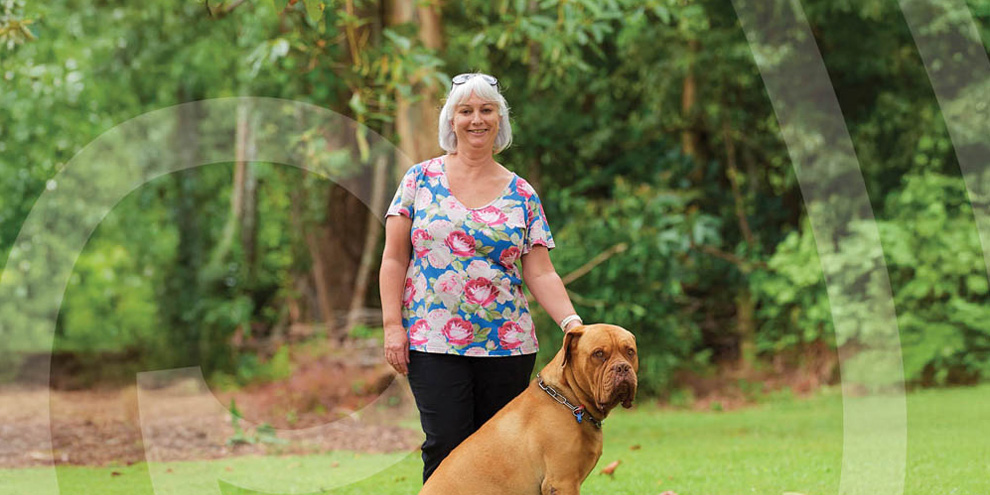
Lisa's Experience
Lisa Barnett,55–64-year-old female, Bay of Plenty/Auckland
Firstly, we lived in Waiuku, South Auckland at the time of the lockdowns, we were self-employed with a refrigeration business covering South Auckland and North Waikato, I also worked for the medical centre in [the] Waikato.
Needless to say, the lockdowns were extremely frustrating – being essential workers we should have been able to travel but even with the essential paperwork the "borders" around Auckland made this near impossible, spending hours waiting at border controls. We lost customers during this time.
Secondly, we sold our home in Waiuku in 2021, purchased a property in the Bay of Plenty, at the time of our sale and purchase the entire country was locked down so we could not move, then only Auckland was in lockdown, and the rest of the country was 'out.' As per the previous lockdown rules, if moving out of the area permanently we would be allowed to move but overnight the Government changed the lockdown rules and all of a sudden, we had to move out of our house but were unable to move across the 'border' out of Auckland. I do not believe anyone that did not have to do this will ever know the stress this caused – a house full of 20+ years of furniture, no possibility of help moving and nowhere to go!!! Luckily the day before our move date this rule was changed but we had to move by ourselves - no help was allowed – two people in their mid-to-late 50's moving.
I work for a large business organisation, and business has been decimated by the COVID-19 lockdowns, and the financial fallout is far too great – we are four years down the track and our deficit has grown exponentially because of the lockdowns.
55–64-year-old female, Auckland
The experiences of people whose businesses suffered or were lost due to the lockdowns were also frequently discussed, most of which were first-hand accounts by business owners, or employees of businesses which were impacted by the lockdowns. Some people highlighted the financial and emotional stress they experienced because of their businesses suffering or folding. Some people also mentioned business loans, stating that they were either insufficient or an ongoing financial stressor.
I had to borrow the money from my mother. Closing down each store, letting good staff go, and removing all stock, signage, fixtures and fittings was extremely stressful and hard work. Essentially, I became burnt out and unable to work again.
55–64-year-old female, Bay of Plenty
The classification of certain businesses as 'essential' or 'non-essential' was often identified as an issue. The inclusion of supermarkets as essential businesses and the exclusion of retailers like butchers, fruit and vegetable shops, and dairies was especially critiqued by these people. Liquor outlets were frequently criticised for being allowed to operate, particularly when compared with churches, which were unable to be open at certain times. Such decisions were described as illogical, with people arguing that restrictions were unnecessary and/or that transmission would not have occurred given that fewer people would be on shop premises at a given time.
Economically, supermarkets became the big winners of the pandemic, particularly because the Government did not permit smaller greengrocers, butchers and the like from operating during this period. Somehow, they were considered not essential while the supermarkets and indeed even liquor stores were. Go figure!
No demographic information provided
In addition to liquor stores, strip clubs and brothels were said to be able to operate when churches were not, which made people question the rationale and purpose of classifications.
Other people criticised the wage subsidy arguing that some businesses misused it. These people typically felt the wage subsidy was granted too easily, feared that employers did not make proper payments to their employees, and that businesses, especially larger ones, claimed the wage subsidy despite not requiring it. A few people felt that some businesses profited from COVID-19 while others languished and noted the unfairness of this.
A lot of business at that time were getting paid out from Government to cover their employees' wages and some companies weren't even passing the money over to their employees and it got messy. At the time I thought it was weird that we had all this money to give away like that. That was my experience and in my opinion.
35–44-year-old Māori/Pākehā female, Wellington
According to Heart of the City, Central Auckland experienced significant impacts, reporting a 90 percent reduction in spending during September 2021 compared to +1.2 percent nationally. This was said to translate to losses of $85–100 million weekly in Auckland alone. Many businesses were said to have never recovered to pre-pandemic levels.
We heard from participants in the Auckland business forum that the regional nature of the Auckland lockdowns meant that tourism-dependent businesses faced extended closure periods without the national solidarity that characterised the 2020 response.
Regional engagements documented the permanent closure of many small operators who lacked the financial reserves needed to survive extended closure periods. The Northland and Waikato engagements particularly highlighted how tourism-dependent communities faced compounded challenges when Auckland's lockdowns prevented their primary visitor market from travelling.
Regional reputational damage was particularly evident in many tourism areas, where destinations fell out of consideration for visitors and struggled to rebuild their market presence. The Northland engagements described how the region became associated with lockdowns and restrictions rather than tourism opportunities, requiring ongoing marketing efforts to rebuild visitor confidence.
Statements that the economy suffered
Financially, the Government was reckless, handing out money freely. I personally know people who made a fortune simply by staying home. Meanwhile, the gap between rich and poor widened. Housing prices skyrocketed, and large corporations got even richer, making their owners even wealthier. The economic consequences of these decisions will burden New Zealand for generations to come.
55–64-year-old Pākehā male, Auckland
People often criticised the overall economic impacts of the lockdown, arguing that the lockdown response left the country in a worse economic state. Comments made tended to be non-specific, broadly arguing that the lockdowns were disastrous, and left the economy 'in ruins'.
Specific criticism for decisions made during the lockdown often pointed to the economic inactivity as damaging, as well as characterising lockdown related spending as reckless (people also used the term 'printing money' disparagingly). People who highlighted negative impacts of the lockdowns often pointed to long term economic consequences of these actions. These issues included an increase in national debt, a rising cost of living, and exacerbated financial inequities.
A variety of economic issues relating to lockdowns were discussed in engagements.
The ports sector, while maintaining operations as essential services, faced some complex regulatory challenges that affected national supply chains. The Port Companies CEO Group described having to navigate constantly changing rules about what could be transported and how, often receiving contradictory guidance from different agencies. While ports remained operational, the broader supply chain disruptions affected businesses nationwide.
Some businesses mentioned that supply chain costs increased dramatically, with some increases of up to 400 percent. This highlighted critical vulnerabilities in New Zealand's supply chains, such as having only two toilet paper suppliers within the country, creating fragility when imports became difficult or expensive.
We heard from several engagements that the pandemic created lasting workforce challenges that extend far beyond the immediate health impacts. Some young people aged 18-24 who experienced the pandemic during formative years were said to now demonstrate concerning gaps in work readiness, resilience, and basic computer skills.
Christchurch's dependence on Auckland for 60 percent of visitors created indirect lockdown effects despite having no local COVID-19 cases. At the economic development forum, participants said this demonstrated the importance of maintaining domestic tourism options to support regional economies, particularly as international borders were closed during this time.
Reports of personal financial hardship due to lockdowns
We never asked our landlord for a discount. A landlord can always find a way of getting rid of a tenant who they believe can't pay. So, we exhausted what savings we had, and used every favour we could, to get through. We came out on the other side of the lockdowns destroyed financially and it took us years to recover.
45-54-year-old Pākehā female, Auckland
Personal accounts of financial hardship were attributed to the lockdowns. These include first-hand experiences of being left in financial ruin as a result of the lockdowns. The causes of financial hardship varied, with people frequently mentioning lost or reduced income. Other issues discussed were often related to housing; such as difficulties paying rent, repaying mortgages, and managing houses that were being built. Some landlords also took issue with a shortfall in rental payments during the lockdown.
Some people discussed having to rely on savings, and others described an increase in living costs such as grocery and utility bills during the lockdowns.
A point worth mentioning, is that the cost of having everyone home, using more than usual the amount of power, water and food was extremely burdensome. How on earth did the Government expect people to not drown in debt, especially solo parents? As it was not even permitted to maintain shared custody arrangements.
35–44-year-old Māori/Pākehā female, Auckland
My husband lost his job, because the company he worked for went out of business as a direct result of the COVID-19 lockdowns.
55–64-year-old female, Auckland
As an IT contractor my contract was terminated, and I lost my income. The "assistance" provided wasn't even half my usual income for the period. Meanwhile all those government bureaucrats continued to get full pay. The money printed and squandered by [Hon. Grant] Robertson was criminal. We may never get out from under that debt.
55–64-year-old male, Wellington
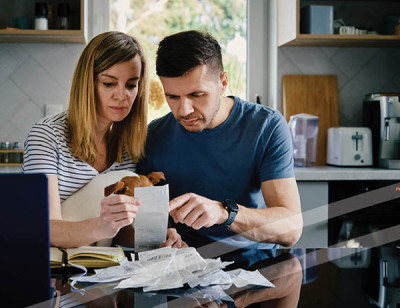
Some also told us about their experiences of employment loss due to the lockdowns. People stated that they were made redundant, as the lockdowns caused businesses to restructure, or that their jobs were lost due to business closures.
The consequential impact of financial hardship on mental health was frequently mentioned by people, who stated that lockdown was a stressful time, or attributed mental health challenges such as depression or trauma to their financial challenges.
The human cost of the economic impacts of lockdowns was documented across all regional engagements. Several small business owners exhausted family savings, took additional mortgages on family homes, and made personal financial sacrifices to keep businesses operating. Many business owners described still feeling the effects years later, with some having never fully recovered financially. The economic impacts of lockdowns varied dramatically by sector and region. The hospitality sector was severely impacted, with the Hospitality New Zealand engagement documenting widespread financial struggles and business closures.
There was a lot of remortgaging and talking with IRD and banks … it wasn't unusual to hear of members renting out their own houses and going and sleeping on family's couches just to be able to pay the staff and the bills.
Representative, Hospitality New Zealand Forum
The regional engagements revealed how financial stress cascaded through some communities, affecting not just business owners but their employees, suppliers, and local service providers. Some businesses described having to choose between paying rent and paying staff, creating difficult personal relationships and community tensions.
Negative experiences of essential workers
I worked [Alert] Level 3 as an essential worker and the rules under which I had to work were horrific. It affected me greatly with stress, with being yelled at by customers, with being fearful over touching things or standing too close. Eight hours a day being in that high stress state affected by mind and body.
45–54-year-old female, Northland
People who were essential workers often told us about their experiences during the lockdowns. Some expressed that there was a distinction between essential workers and those who were not; in particular that essential workers were put "in harm's way", working long hours, with the impression that while doing so, others could stay home and enjoy the lockdowns. Essential workers often described difficult and fearful working conditions, with rude and/ or abusive customers and difficulty in finding childcare for their dependents.
One of the key themes across all engagements was the burden placed on many frontline workers to enforce public health measures. The Hospitality New Zealand engagement detailed how young employees were expected to police vaccine passes, frequently facing verbal abuse and threats from customers unwilling to comply. These young workers described experiencing 'constant pummelling' from some customers, creating lasting psychological impacts.
I think it needs to be recognised that our 16-year-olds were expected to be Police. And when I say that I mean our frontline staff. Mandates were so hard and so rigid.
Representative, Hospitality New Zealand forum
The initial recognition of essential workers as 'heroes' was strong but not sustained beyond the immediate crisis period. The New Zealand Council of Trade Unions and the Public Service Association engagements documented how this recognition faded quickly, leaving essential workers feeling undervalued despite their continued contributions to community wellbeing.
People sometimes criticised the lack of support for essential workers arguing that essential workers should have been offered the choice to work or stay at home. These people argued that there should have been better pay or financial recognition, better personal protective equipment (PPE) availability, and support for those who experienced abuse as essential workers.
The educational workforce experienced significant stress and burnout during lockdowns, impacting school leadership. The Teachers' and Principals' Associations forum described the loss of a number of experienced principals who took early retirement due to the stress of managing schools during lockdowns.
Participants attributed principal burnout to being placed in impossible positions as intermediaries between government health policy and educational delivery, often without adequate preparation or information. Many principals found themselves making health-related decisions for their communities despite lacking medical expertise or training.
We've lost almost a generation of really experienced principals, primary and secondary and across the board who were burnt out.
Representative, The New Zealand Post Primary Teachers' Association (PPTA) Forum.
Increases in student anxiety and behavioural issues created an additional workload for teachers and support staff who were already dealing with their own stress from lockdowns. Some teachers in Northland reported witnessing extreme poverty and food insecurity during home visits, adding to their professional stress and personal emotional burden.
Negative experiences of working from home
As a teacher I had to teach online 8am-4pm, then mark, email, create lessons until midnight some nights. With a 3-year-old and a newborn, I had to either fail as a mother or as a teacher.
35–44-year-old Pākehā female, Auckland
A smaller proportion of people discussed difficulties which arose when working from home. Difficulty managing childcare and their children's schooling alongside their own workloads were the issues that most often arose.
Other issues with working remotely include issues with technology such as slow internet, increased electricity bills, isolation from colleagues, and a lack of work-life balance. The point was also made that as a consequence of being able to work from home during lockdowns, some were asked to continue to do so, and that this is not ideal.
Many rural areas faced severe connectivity and access challenges that urban areas did not experience. Poor internet connectivity made remote work extremely difficult, limited access to government information and services, and created significant educational disadvantages for rural students.
For a lot of our business leaders, because we choose to have lifestyle blocks, we live in the country. Broadband coverage was pretty appalling, trying to run meetings on Teams or Zoom was very, very challenging.
Representative, Northland Economic Development Forum
Criticisms of the Auckland and Northland lockdown
Ngā whakatake i nga rāhui o Tāmaki Makaurau me te Tai Tokerau
The societal impact of Auckland being locked down for so long was immense. The stress and hardship it caused were immeasurable.
45–54-year-old Pākehā female, Auckland
Prolonged lockdowns led to the closure of small and medium-sized businesses (we lost ours), many of which could not recover due to insufficient government support. Job losses skyrocketed, pushing families into financial hardship.
65–74-year-old male, Manawatū-Whanganui
When discussing lockdowns, many people referred to the ways that Auckland and Northland were affected. Both Aucklanders and those from other parts of the country commented. People mostly felt that Auckland and Northland were subject to lockdowns for too long, that these lockdowns were unnecessary, or they reported that these lockdowns had a major impact on citizens wellbeing and economic outcomes.
Many people claimed that small businesses were forced to close due to the length of the lockdowns, sometimes providing personal stories of financial hardships, and people were sometimes incredulous that the largest economic centre in the country was subject to such restrictions given its potential to impact the economy of the country.
Other submitters argued that these lockdowns were used by the Government to exert control and/or to 'blackmail' those regions into being vaccinated. Some people viewed these regional lockdowns as taking away the freedom of citizens.
The then Prime Minister was all for lockdowns, sure but to a degree but to have the powerhouse city Auckland in lockdown for nearly four months was, to my mind, a very bad decision. So many businesses didn't make it through even though they threw so much money around with no rules and regulations to repay it.
No demographic information provided
Auckland was blatantly and publicly blackmailed to get vaccination percentage (first 75 percent then 80 percent) goals to be able to get out of the terrible and totally unnecessary 16-week lockdown. The recent election shows how most Aucklanders felt about lockdowns and COVID management.
55–64-year-old Pākehā female, Auckland
Extended lockdowns created unique psychological burdens for many Auckland residents who felt they were carrying a disproportionate burden for the country's benefit. Some regional engagements documented resentment and fatigue that developed as Auckland remained locked down while other regions remained open, creating a sense of unfairness that affected community compliance and mental health.
Opposition to post-2020 lockdowns
Whakahē i ngā rāhui i tua atu ite 2020
The initial lockdowns as a short, sharp measure were incredibly effective and gave us 100 days with no reported community transmission. Later lockdowns felt like they were approached with a softer hand with an eye to optics rather than epidemiological advice and dragged on for a long time causing a lot of economic, unrest and emotional pain from those softer lockdowns.
35–44-year-old Pākehā male, Wellington
People whose comments specifically addressed lockdowns often were supportive of initial lockdowns but not of later lockdowns. They described later lockdowns as pointless, unnecessary, and damaging to both the economy and people's mental health. Later lockdowns were sometimes thought to be a 'knee-jerk' reaction that resulted in no real benefits.
Additionally, some people suggested that instead of successive lockdowns, older people and/or the immunocompromised population should have been advised to self-isolate which would have allowed the wider population to 'move on'.
General objection to lockdowns
Whakahē whānui ki ngā rāhui
Lockdowns and mandates were too extreme without adequate evidence at the time to impose such measures, which had such negative impacts in so many ways.
65–74-year-old Pākehā male, Auckland
Many people opposed lockdowns in general terms, both as a health measure overall, and as part of the COVID-19 response. Opposition was often expressed through simple statements such as 'don't do it again', 'no lockdown', 'never lockdown', or statements that they are or were unnecessary. People commonly compared the experience to prison or 'house arrests', conveying that lockdowns were overly restrictive. It was often asserted or predicted that compliance with lockdowns won't happen in future.
I was disappointed about being put in "house arrest" even though I had committed no crime, nor any criminal conviction by a magistrate. I will NOT obey this house arrest order next time.
65–74-year-old male, Canterbury
People often based their criticisms of lockdown on assertions that COVID-19 was of little threat or comparable to the common cold. It was on this basis that lockdown decisions were described as 'knee-jerk' reactions or as evidence of Government 'fearmongering' as opposed to considered decision making.
Lockdowns were a joke. We can't hide from a virus and delaying its arrival into New Zealand by shutting the country achieved nothing apart from destroying the economy. The daily tally of cases was nonsense and nothing but scare tactics.
55–64-year-old Pākehā female, Waikato
Opposition to lockdowns was often rooted in the view that these did not, or do not, work. People often contested the logic of keeping everyone, especially healthy people, at home during a pandemic, suggesting that only the infectious or vulnerable should stay home. The inefficacy of lockdowns was also linked to other ideas about testing, viral transmission, the vaccine and general health.
There is proof that lockdowns did not make much difference, if any, Sweden being a prime example, they had zero lockdowns, yet the deaths from COVID-19 were no different per capita than other countries.
75–84-year-old male, Bay of Plenty
People critical of the COVID-19 lockdowns showed particular concern for its impact on the economy, mental health, social connection and education, arguing that the protection of health did not outweigh the societal harms. This heavy emphasis on health was commonly viewed as the central flaw in decision making, prompting people to question the overall rationale for lockdown or call for a thorough cost-benefit analysis to be undertaken.
Those entirely opposed to lockdowns as a pandemic measure argued that these were a breach of human rights, and that people should be allowed freedom of movement or the choice to stay home. This point was amplified by descriptions of the 'illegal' or 'criminal' nature of restrictions. Some expressed a broader concern about Government overreach and the use of emergency measures as signalling a shift towards authoritarianism or dictatorship. COVID-19 lockdowns were said to be about 'control', a way to increase vaccine uptake, or signifying an ulterior motive.
Criticism of Government decisions and implementation of lockdowns
Whakatakē o ngā whakataunga me te whakatinana i te kawanatanga e pā ana ki ngā rāhui
There have been pandemics in the world before, but standard practice was to quarantine the sick to keep others safe and NEVER an entire population. Nobody lost their jobs, their human rights like this time.
55–64-year-old Pākehā female, Manawatū-Whanganui
The lockdowns, in my view, were a disproportional response that caused much damage at individual, familial and societal levels, inflicting economic, political and social damage that will take decades, and possibly generations, to recover from.
65–74-year-old Pākehā female, Otago
Concerns about management of regional travel and border restrictions
People who criticised how the lockdown was implemented most frequently took issue with restrictions to regional travel during the lockdowns. Some people were particularly against the way that checkpoints at regional borders were managed, describing situations of being 'made to feel like a criminal'. There was also opposition to the use of Police at these checkpoints, with people arguing that enforcement was threatening or unlawful.
We had a son needing to see a specialist surgeon in Auckland but could not drive from Raglan due to his injury and could not get a driver to take him there and back without endless checks, police military and time wasting for all concerned.
No demographic information provided
Experiences at border checkpoints that people discussed included issues with long waits, difficulty acquiring the required COVID-19 tests, moving border checkpoints and a lack of consistency in enforcement. The latter of these issues included claims that gang members were treated preferentially and allowed to pass checkpoints without proper enforcement.
Lockdowns, which seemed ridiculous to begin with, ended up being far more damaging to relationships and social cohesion than the benefit that they were claimed to generate.
55–64-year-old Pākehā male, Marlborough
These were cruel and had nothing to do with people's health and wellbeing, it was about out of control politicians, trying to turn the country into a dictatorship, and must never happen again.
55–64-year-old female, Bay of Plenty
All of this is illegal, it is gaslighting, and it has cost lives and independence. How can one put a price on the loss of mobility and independence and functionality
55–64-year-old Māori/Pākehā female, Hawke's Bay
I work in emergency services and was working throughout the pandemic yet still had to find time to fit in a COVID-19 test at the testing station before I could drive to the checkpoint at Te Hana and wait around an hour to get through a checkpoint full of aggressive bored police officers.
35–44-year-old Pākehā male, Northland
The bureaucratic hoops to jump through to get an Auckland border exemption were manifold and slow, and included a requirement to get [my son's] mental illness assessed. The wait time to get into a counsellor or psychologist was many weeks. He suffered great harm as a result.
55–64-year-old Pākehā male, Auckland
The borders to contain the epidemic within Auckland were arbitrary and trapped teachers, pupils and medical professionals, when their homes were almost within touching distance of their schools and workplaces. Exemption papers and systems to grant them [travel] weren't available either.
Business advocacy group
People told us about their reasons for wanting to cross regional borders. These reasons included visiting an old person, sick, or dying loved one, attending significant life events, travelling for work, and travelling for medical treatment. The ease with which people reported being able to pass through the border for these reasons varied, with some people stating that they were able to pass with evidence for their travel, while others claimed that approval to travel was not granted or was difficult to obtain.
Some who lived in Northland noted that their isolation from the rest of the country when the Auckland lockdown occurred was somewhat unfair and at times went unacknowledged.
Then there were the lockdowns. I live in the Far North, and lockdowns, even when it was 'just Auckland' isolated us completely. We had no way of travelling down to whānau in Napier or Taranaki, as all flights go from our town to Auckland, or you have to drive through Auckland – which was forbidden. It was stressful and isolating.
25-34-year-old Pākehā female, Northland
The Waikato engagements described that arbitrary boundary placement effectively isolated the region during Auckland lockdowns, creating 'lockdown by proxy' effects. Similarly, Northland's peninsula geography effectively isolated the region from its primary economic and service connections. Lockdown boundaries were criticised as having been drawn without local consultation.
The protracted Auckland lockdown meant that Northland was actually locked down as well. Yes, we could leave our homes, we could go to the supermarket or go to the beach, but we couldn't do business effectively as we couldn't get goods and services in and out.
Representative, Northland Economic Development Forum
Statements that lockdowns went on for too long
The length of the lockdowns were often criticised by both those who were supportive of initial lockdowns, and by some who deemed any and all lockdowns unnecessary. Negative lockdown outcomes such as poor mental health and the impact on the economy were often raised by these people, who sometimes argued that these consequences could have been mitigated by shorter lockdowns. Others criticised the Government for continuing with the elimination strategy, especially in the later stages of the response.
Lockdowns ultimately went on too long, even after the evidence was suggesting that COVID-19 was no longer so dangerous, and lockdowns weren't warranted. The Government seemed completely incapable of even considering that there were other possibilities to deal with the situation, displaying an immense amount of arrogance. For people like me with difficult situations at home, it meant much extra, unnecessary suffering.
35–44-year-old female, Taranaki
The lockdowns killed small business and also bore a huge mental cost on people being isolated. Initially it was probably good as we didn't know what we were dealing with. I do feel that it went on for way too long.
35–44-year-old Pākehā female, Auckland
Lockdowns, understandable at the start when we didn't know much about the virus, however a prolonged locked in 2021 caused by what was literally one case. I think if the South Island spent 6 or 8 weeks in lockdown without having any confirmed cases, which was crazy. Our lockdown should've been lifted after 7 days of no confirmed cases.
18–24-year-old Pākehā male, Canterbury
Confusion around lockdown rules
Lockdown rules were criticised as too complicated, confusing, nonsensical or inconsistent, with people noting that they received conflicting advice from different sources or arguing that the rules were rushed and not sufficiently thought out. Some argued that confusing or inconsistent rules led to people becoming frustrated to the point of aggression or abandoning the rules altogether. Complex rules were also said to make it difficult for people to plan ahead.
The change from the Alert Level System to the COVID-19 Protection Framework (also known as the 'Traffic Light System') was often identified as a point of confusion. Other rules that people argued were confusing or did not make sense included allowing people to gather in supermarkets, or rules about how many people from one household could be in the supermarket, and rules which prevented people from working outside or while isolated.
Some people also had issues with the decision making that underpinned the locking down of certain regions. Some argued that the South Island should not have been locked down when there were no COVID-19 cases present.
Perhaps one of the most frustrating and damaging aspects of the COVID-19 response was the rapid and frequent changes in rules and restrictions. The Government's approach seems to lack consistency and clarity, which made it incredibly difficult for organisations like ours to plan, adapt, and respond effectively. We were subjected to a series of shifting goalposts, which made it almost impossible to maintain a stable operation, let alone offer the sense of stability and security that our congregants so desperately needed.
35–44-year-old Pākehā female, Auckland
I acknowledge that COVID-19 was a very demanding and evolving viral epidemic to respond to. I do believe that the variation and constant change in 'levels' during [the] lockdowns were extremely confusing and too fluid. This includes the introductions of levels such as 'Level 2.5' and the eventual traffic light system.
25–34-year-old Pākehā female, Auckland
Reports of lockdown enforcement being too strict
People sometimes took issue with the lockdown restrictions being too strict or drastic. It was suggested that these lockdowns were a ploy by the Government to gain control over New Zealanders. Some referred to this time as 'living in a police state' or described 'being treated like criminals'.
Lockdowns were over the top [and] were run by a military state, again we are a democratic country.
65–74-year-old Pākehā male, Auckland
Others expressed that outdoor activities such as playgrounds, beaches and parks should have remained open for the duration of the lockdowns, arguing that use of these spaces had health benefits and little risk. One person described an incident of a person having the police called for using a swing in a playground, characterising this as overreach.
Less often, specific instances of Government officials breaking lockdown rules were reported to illustrate people's impression that restrictions were enforced unevenly. Some people argued that these occurrences exposed hypocrisy, for example, instructing the public to stay home while flouting rules themselves. This behaviour was often contrasted with the severe effects felt by those adhering to lockdowns. Others interpreted these incidents as evidence of Government dishonesty, or the senselessness of restrictions.
Difficulty accessing healthcare and essential services due to lockdowns
Ngā uauatanga ki te uru ki ngā ratonga hauora me ngā rātonga matua na ngā rāhui
People often reported that the lockdown had negative impacts on healthcare. These people shared personal stories of being unable to attend appointments and they reported being denied healthcare or support due to lockdown restrictions or because of testing positive for COVID-19. Additionally, people made the point that services such as physiotherapists and dentists should have been considered essential. Some argued that video and phone calls used to replace in-person doctors' visits were ineffective.
In some cases, people reported on the absence of prenatal and post-partum care, specifically from services such as Plunket, often pointing out that new parents already feel isolated and highlighting that these services are vital for the mental and physical health of mother and baby.
To see [officials] get caught not following their own advice just showed again at how much of this entire COVID-19 affair was a joke.
55–64-year-old Pākehā male, Nelson-Tasman
I'd hate to think the impact these lockdowns and restrictions had on our long-term health. So many appointments missed, so many procedures delayed. Our immune systems also took a huge beating. The level of sickness the year after COVID-19 was ridiculously high, having not been exposed to anything for such a long period of time.
45–54-year-old female, Auckland
I re-injured my broken leg during that time, and the only doctor appointment I could get was over a video phone call.
25–34-year-old female, Auckland
I suffered not from post-partum depression, [but] from COVID-19 restriction depression, post-partum. I absolutely loved my baby and toddler, but I couldn't heal and look after them and my partner and myself alone. There were no meal trains from our "village" as people were scared to even leave food for us. There were no baby and mothers' groups, and even Plunket visits were reduced. Not having access to our support network in a simultaneous time of grief and a new baby, was not right.
No demographic information provided
Some engagements revealed the loss of critical healthcare workers hit rural communities disproportionately hard. They said the loss of even one or two healthcare providers could leave large geographic areas without adequate medical coverage, creating dangerous gaps in emergency medical response and routine healthcare access.
Lockdowns: mixed sentiment
Ngā rāhui: Kare-a-roto rerekē
While I was lucky to have a job that needed [to] and was able to "go online", it was hugely stressful and meant many, many extra hours of unpaid work from everyone involved.
The many lockdowns and having to go online for everything has meant that many young people are now unsure of how to build social connections in person, again, with serious repercussions … I do trust and believe that "many lives were saved" through the lockdown "technology", but there was deep lack of clarity about what people actually died of, which did nothing for the cohesiveness in our society.
Having said all this, I don't know what would have been a better approach. I think the Government at the time would have been "damned if they did and damned if they didn't" do what they did. It was an unprecedented situation.
65–74-year-old Pākehā female, Auckland
Some people made comments which did not indicate a clear opinion regarding the use of lockdowns and instead described both positive and negative aspects of their, or others' experiences. People also acknowledged that consideration of the positive and negative impacts were a 'balancing act'.
Lockdowns: suggestions for the future
Ngā rāhui: Whakaaranga mō āpōpō
Note: Many people made similar lockdown suggestions irrespective of their opinion of the COVID-19 response; however, those broadly critical were more likely to favour less restriction.
General lockdown suggestions | Ngā whaaranga whānui mō ngā rāhui
- Only people who are unwell or vulnerable should be required to isolate, rather than full, universal lockdowns; healthy people should be able to 'carry on'.
- Implementation adjustments would improve lockdowns, such as the measures being time-limited (for example, 'short and sharp'), localised to specific regions, more strictly enforced, accompanied by clear exit strategies or more adaptive to changing circumstances.
- Alternative measures could reduce the necessity of length of lockdowns, such as earlier border closure; earlier or stricter testing and masking protocols; a better functioning hospital system; and a faster vaccine rollout.
- A three-stage approach – closing international borders first, then regional borders, then a full lockdowns as a last resort, with an exit in the reverse order.
- Isolation should be voluntary based on individual risk assessment or personal preference.
Maybe the lockdowns can be ring fenced for most vulnerable ones strictly. And can be more relaxed in businesses and trade related areas.
55–64-year-old Indian male, Auckland
More certainty about timing of lockdowns. The Auckland lockdown could perhaps have had a staged reduction.
65–74-year-old Pākehā female, Auckland
Regional recognition
- Some regional representatives noted that major city lockdowns effectively locked down dependent regions. They proposed that unique geographic and demographic factors in each region should be considered in emergency planning rather than applying uniform national approaches. Appropriate support services and communications should be provided to affected areas to help them navigate their unique circumstances.
- Some local government representatives endorsed balancing national coordination with regional flexibility through systems that allow for local adaptation while maintaining overall coherence. The most successful responses combined national coordination with local flexibility and innovation.
Lockdown – economic and business suggestions
Ngā rāhui – whakaaranga ōhanga, pakihi hoki
- Business and wage subsidies should be better managed in future to avoid fraudulent claims, prioritise small businesses over large corporations, and improve equity in payments.
- Businesses should be supported to continue functioning as far as possible using protocols such as shields and distancing, set capacity, split-shift teams, online ordering or takeaways and improving capacity to shift to remote work (for example, resources for home offices and wireless broadband infrastructure in rural areas).
- Essential business criteria should include small food stores (for example, grocers), allied health professionals, and outdoor occupations such as construction and road infrastructure. There should also be an appeals process for this classification system.
- Frontline and essential workers should have more support during lockdowns, including priority access to food stores and increased pay and benefits (for example, childcare).
- Access to food and other essentials should continue through early supermarket hours for older people, supply chain action plans, rationing of goods and more businesses being allowed to operate.
- There should be contingencies specifically for people employed in tourism and hospitality industries, such as offering them work opportunities in essential roles.
- More financial support should be available during lockdown, such as universal sick leave or rent relief to reduce hardship.
I believe that in the future, we need to look into improving the way IRD collects information. When GST take drops in a company, then subsidies should be paid to those companies, less likely to paper runs.
45–54-year-old Pākehā female, Auckland
- Multiple regional participants advocated for maintaining transit corridors and essential supply chains during regional restrictions through advance planning and clear protocols. The arbitrary placement of boundaries that cut communities off from essential services could be avoided through better understanding of regional dependencies.
- Some business representatives endorsed identifying and addressing supply chain vulnerabilities before emergencies occur through diversification and strategic redundancy. Many port and business sector representatives favoured replacing 'just-in-time' supply systems with strategic regional stockpiling for essential goods and medical supplies.
- Multiple participants suggested designing procurement systems to support local capacity and smaller organisations in addition to larger organisations who had established procurement capabilities. This created inefficiencies and inequities in service delivery in many smaller regions and communities.
Lockdown – social suggestions
Ngā rāhui – Whakaaranga -a -hapori
- There should be systems in place to allow people to visit unwell or dying loved ones during lockdown in future (for example, mandatory PPE or isolation and testing requirements) and guidelines around this should be consistent.
- Māori and Pacific communities should be consulted in developing lockdown protocols for end-of-life care and funeral/tangi restrictions to ensure preservation of tikanga.
- There should be publicly funded programmes to alleviate isolation and mental ill health during lockdowns, especially for vulnerable households (for example, hotlines, welfare checks, counselling services, virtual or distanced community support groups, and emergency accommodation and exemptions for people needing to leave unsafe environments).
- More flexibility around 'bubble' rules would improve experiences of lockdowns (for example, allowing children from neighbouring families to meet) as well as having an increased ability to access the outdoors (for example, beaches; scheduled playground visits) for mental health and exercise.
- There could be lockdown exemptions for masked or air-purified events, or for events like ANZAC Day that can take place outside with distancing.
Care homes… OMG… there has got to be a way of allowing loved ones to see or keep in touch with the residents even in a localised lockdown (my mum's care home didn't even allow phone calls because they didn't have the staff to take the phones to the residents!). Free COVID-19 tests for partners of loved ones in care homes.
55–64-year-old female
- Some community service providers urged maintaining critical services like respite care, education support, and community services during emergencies through advance planning rather than treating them as non-essential. The closure of essential support services created cascading problems that were more harmful than the health risks they were intended to address.
- Community organisations often supported the view that technology access for vulnerable populations be part of emergency preparedness rather than being addressed reactively during crises.
The missed opportunity to address digital divides as part of pandemic response could have provided lasting benefits beyond the immediate health crisis.
Lockdown – education suggestions
Ngā rāhui – Whakaaranga mātauranga
- Disruption to children's education should be minimised in future lockdowns.
- Testing protocols and class bubbles could enable schools to remain open.
- Online education requires improvement through greater investment and planning, including better support and training for teachers and parents, and priority resource allocation to children from low-decile schools.
Schools should be able to reduce numbers so that there is at least two days a week where students are at school. They should also have proper digital back-up plans.
45–54-year-old African female, Auckland
Some regional representatives promoted addressing rural-urban digital divides as critical pandemic preparedness infrastructure investment that happens before crises occur rather than being treated as a secondary concern. The digital divide became a critical determinant of access to education, healthcare, government services and economic opportunities during lockdowns.
Community service providers often urged maintaining critical services like respite care, education support, and community services during emergencies through advance planning rather than treating them as non-essential.
Lockdowns – healthcare suggestions
Ngā rāhui – Whakaaranga haurora
- There must be priority access and exemptions for critical care such as cancer treatments during lockdown; meanwhile, access to general care could be maintained through telehealth, online, mobile clinic and home visitation services.
- More resources should be available for home-based care, including access to essential medicines and virtual medical support, as well as larger bubble systems and community networks to support carers of disabled and older people.