

2 Vaccine mandates Whakature kano ārai mate

Vaccine mandates | Whakature kano āraimate
Topics raised
Most discussed
- Commentary of mandates as damaging social cohesion and wellbeing
- Broad opposition to vaccine mandate
- Views about the mandate's impact on employment, business, and the economy
- Concerns about the way mandates were implemented, including exemptions
- Support for mandating a vaccine
Least discussed
Summary of views
Vaccine mandates were the most discussed topic with a high proportion of comments across all submissions made against this aspect of the response. Some people objected to the pressure applied to be vaccinated and were highly critical of jobs being lost as a result of forgoing vaccination. They said that vaccine mandates divided society and caused a lot of personal and financial stress for those who, for a variety of reasons, did not want to be vaccinated for COVID-19. On this point, exemptions were said to be too difficult to obtain, in particular for those whose existing health conditions precluded vaccination.
However, some people also told us that they were grateful for the mandate, and that its implementation was appropriate given the risks of the virus. They felt safe or safer with the mandate in place and linked this directly to better health outcomes for the population. Though supportive of vaccination, some agreed that personal circumstances would warrant an exemption and suggested that this be a feature of a future pandemic response – in particular to avoid widespread job losses.
Vaccine mandates: what went well | Whakature kano āraimate: Ngā mea i angitu
I absolutely support the way the vaccines were introduced and am glad that many people got them initially. The mandates and lockdowns were well done and in the best interests of our communities, especially those marginalised and vulnerable like our tamariki and our kaumātua.
25–34-year-old Pākehā gender diverse person, Wellington
Support for mandating a vaccine | Te tautoko kia whakaturea te kano āraimate
The lockdowns and vaccination stance in New Zealand were tough but completely necessary to save lives. They did the important thing but the right thing. So many of us are alive today because of it. My mum is immunocompromised, and the Government's stance absolutely saved her life. I am forever grateful for the strong leadership we had at the time.
35–44-year-old Māori/ Pākehā female, Auckland
Many people who were in favour of the use of vaccine mandates expressed gratitude for the mandates stating that mandates made them feel safe, that they saved lives, and that people were grateful for their implementation. Additionally, some people felt that if not for the vaccine mandates, hospitals would have been overwhelmed and Aotearoa New Zealand's most vulnerable would have been at risk.
Commenting on the uncertainty of the pandemic, some people suggested that mandating the vaccine was a sensible decision and prioritised the overall safety of New Zealand citizens. People also noted an understanding that herd immunity was the best way to achieve maximum safety.
A portion of people commented that although the vaccine mandates were strict, they were required. People said that despite civil liberties being impinged upon and the country being somewhat divided over the issue, the mandates were in place for the greater good.
I appreciate the cautious approach the Government took in terms of COVID-19. Vaccines and vaccine mandates made it safe for all New Zealanders during this time, especially for those who are immunocompromised.
35–44-year-old Pākehā male, Auckland
As a health worker, and as a mother, I completely supported the vaccine mandate. It was hugely important to build up herd immunity and lessen risk to others when COVID-19 did arrive. I know it was a difficult decision to make, and a controversial one. We are not used to being dictated to in this country, but this was a fairly unique situation in recent history. We followed the science, and I believe we were very successful in massively reducing the number of potential deaths related to COVID-19.
45–54-year-old Māori/ Pākehā female, Northland
I work in general practice as an administrator and was very happy to get the vaccinations, although I know of others who weren't. I do believe that the decision to make them mandated, in particular for medical professionals, was a great idea and helped protect the at-risk people. Yes, we lost staff because of it but I still believe it was the right thing to do.
25–34-year-old Pākehā female, Bay of Plenty
Despite implementation challenges, most organisations we met with said that they achieved remarkably high vaccination compliance rates with minimal permanent staff losses. According to a representative at the New Zealand Police Association engagement, 98 percent of police officers were vaccinated, with vaccination rates initially stalling around 80-85 percent before mandates pushed them to the final 98 percent. Local councils across Auckland, Northland, Christchurch, and Waikato reported they typically experienced only single to low double-digit departures from workforces numbering in the thousands.
At the Teachers' and Principals' associations forum, participants mentioned that the education sector saw relatively few staff losses due to mandates compared to other sectors. The New Zealand Council of Trade Unions, representing over 350,000 workers across 32 unions, noted that while there were individual cases of distress, the overall impact on membership was manageable.
Most ports achieved high compliance, with some ports reaching over 95 percent vaccination rates as reported at the Port Companies CEO Group forum.
Support for the mandate for its protection of immunocompromised and medically vulnerable people
Te tautoko kia whakaturea te kano āraimate hei tiaki i ngā tāngata ārai kore, kahakore hoki
Some people expressed gratitude for the vaccine mandate due to its protection of the seniors, medically vulnerable, and immunocompromised people. People detailed that they felt safe while navigating public spaces and essential services or explained the ways in which the mandate allowed their loved ones to do so safely.
The mandates made sense to me, our goal was to keep from killing huge numbers of people. My partner had cancer at the time, and he was undergoing chemotherapy, we were terrified that COVID-19 would kill him before the cancer. Knowing that most people were vaccinated meant that fewer people would be spreading it. We both agreed the vaccine mandates made sense.
25–34-year-old Pākehā female, Bay of Plenty

Charly's Experience
Charly Clarke, 35-44-year-old female, Wellington
I would like to begin by acknowledging and expressing my gratitude for the decisive actions taken by the Government to mitigate the spread of COVID-19, which ultimately safeguarded vulnerable people like myself. The vaccine mandates were, without a doubt, one of the most significant steps in ensuring my safety during this time. As an immunecompromised individual, I was deeply concerned about the risk of exposure in various public spaces, including healthcare settings.
The vaccine mandates, particularly for medical professionals and workers in places I was required to interact with, were essential for my peace of mind. They allowed me to access necessary care and services with the confidence that those who interacted with me were vaccinated, significantly reducing the likelihood of transmission.
In addition to the vaccine mandates, I greatly appreciated the extra doses of the vaccine that were made available to individuals in high-risk categories like myself. The fact that the government prioritised additional protection for those who were most vulnerable was a clear acknowledgment of the unique risks we faced. It was a relief to have that extra layer of safety, particularly as the pandemic evolved and we learned more about the virus and its variants.
I commend the New Zealand government for the steps taken to reduce the prevalence of COVID-19 and protect vulnerable populations, including the vaccine mandates,mask requirements, and lockdowns. These actions were crucial in allowing people like me to navigate a dangerous time with a sense of security.
To hear more about Charly’s COVID-19 experience, watch her video testimony that she provided to the Commission during the hearings process.
Conditional support for vaccine mandates | Tautoko here mō ngā whakature kano āraimate
In hindsight perhaps some immunisation exemptions for health reasons could have been made but I think when some were wanting exemptions from beliefs for themselves over the greater good for the population this made it tricky to decide who could be exempt or not.
55–64-year-old Pākehā female, Wellington
People who expressed general support for vaccine mandates sometimes had caveats or conditions to their full support. These people often suggested that in the case of another pandemic, while mandates are important, more people should be able to obtain a vaccine exemption. Within these comments people often referred to a loved one who 'should' have been able to be exempt from vaccination, this was often based on them having a pre-existing or medical condition.
Comments were made that frontline workers such as medical professionals, teachers, and aged care workers should have been the only ones subject to a vaccine mandate. Additionally, some people noted an expectation that frontline workers be vaccinated as a matter of course.
A portion of people that stated they were frontline workers themselves and expressed that they had felt safer having the vaccine and saw it as primarily their role to protect the vulnerable people they interact with on a day-to-day basis.
Additionally, some people discussed situations where they or someone they know experienced an adverse vaccine event but ultimately agreed that mandating vaccines was the correct decision for the benefit of the country as a whole.
I'm a teacher and I felt safer knowing my colleagues were vaccinated and that my children's teachers were vaccinated. I researched and felt comfortable having the vaccine. I sympathised with those who didn't want the vaccine and that meant they lost their jobs – to clarify, I think that's an awful situation for anyone to be in – I still support the mandate to vaccinate in certain professions, especially those where understanding science is a key element of their job.
35–44-year-old Pākehā female, Auckland
Vaccine mandates: what could be improved
Whakature kano āraimate: Ngā mea hei whakapai ake
It was a terrible time in NZ history, where people turned against each other. The reason for this was splitting people in two camps, rather than acknowledging everybody's individual choices as the right ones for them. Health is not, and never should be, one size fits all.
45–54-year-old Māori/Pākehā male, Auckland
Commentary of the mandates as damaging social cohesion and wellbeing
Ngā kōrero, na te whakature kano āraimate i whakakino ai te kōtahitanga-a-hapori, oranga hoki
Criticism of mandates as divisive and encouraging ostracisation
People frequently told us that the vaccine mandates caused division in society that lingers to this day. Many felt that mandates encouraged a 'them and us' mentality, with the phrase 'two-tier society' consistently used. This was said to result in unvaccinated people being ostracised and, in some cases, subject to verbal abuse, judgement, and social exclusion.
It was a very sobering lesson in how easy it is to flip a society into extreme prejudice against an 'outgroup'. The vaccine mandates very quickly made an 'outgroup' onto which all people's fears and hatred was poured. It was extremely divisive, and in many cases, those divisions haven't healed yet.
55–64-year-old Pākehā male, Manawatū-Whanganui

People often compared the situation to that of Nazi Germany or apartheid in South Africa. The Government was often noted as being responsible for facilitating, and at times encouraging, division. Many comments emphasised the persisting impact of the mandates on social cohesion, stating that the discord is ongoing.
Being one of the unvaccinated "Grandma Killers" was one the most awful experiences I have had to endure as a human being. The constant stares, whispers, glares, glances and whispers, side steps.
45–54-year-old male, Southland
Because of their decision they were subjected to harassment from their employers, health care workers, extended family members and the public. Our lives were threatened on multiple occasions by people who were reacting from the media and Government's inaccurate statements stating the jab would keep people from getting COVID-19 and passing it on. I wrote to Government officials letting them know the advice I had received from Pfizer and I was ignored.
45–54-year-old female, Nelson-Tasman
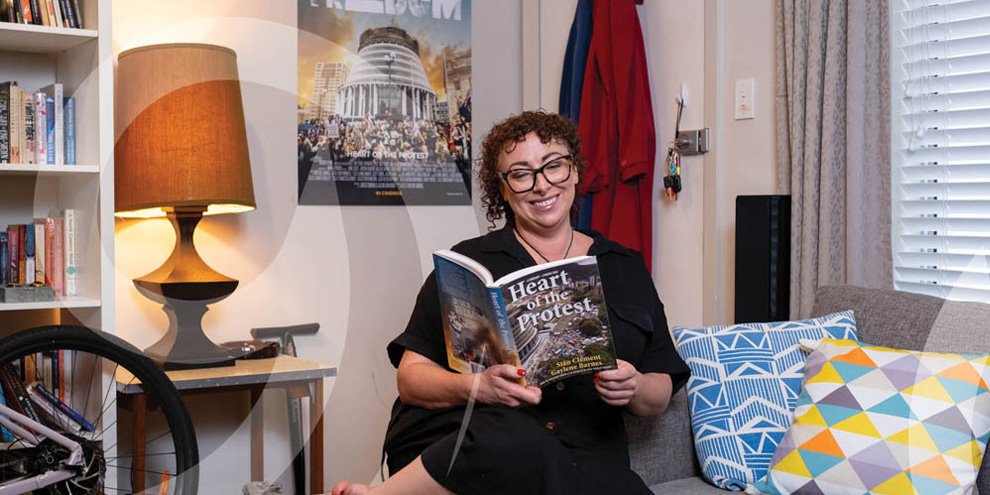
Meagan's Experience
Meagan McNamara, 35-44-year-old female, Canterbury
On 15 November 2021, I was mandated out of my career. I wasn’t fired. I hadn’t done anything wrong. But because I couldn’t comply with a one-size-fits-all government mandate, I was removed from the workforce.
Even when my team leader offered to organise for me to work remotely, triaging calls from home – something well within my training and experience – this was refused from above – everyone at the DHB must be vaccinated. Despite a lawful medical certificate, I was told I could not work in any capacity.
On the day I lost my job, I went to a support picnic. I was grieving, confused, and isolated. But I met people who saw me – people who also felt discarded by society. We bonded over a shared awareness that something was terribly wrong with the mandates, and we were ready to speak up.
I joined the Wellington convoy and camped at Parliament during the end-the-mandates occupation. I was never violent. I livestreamed daily, reaching tens of thousands – and over a million viewers on the final day. Meanwhile, mainstream media broadcast a silent camera from a distant balcony, refusing to speak to us, and painting us as extremists. The disconnect between what we witnessed and what the public was told was staggering. No MPs engaged. The Prime Minister ignored us. And the public, misled by media, turned their anger on us.
Speaking out came at a cost. I’ve had objects thrown at me, been verbally abused, and told I deserved to “die alone of COVID-19”. When a friend and I held “end the mandates” signs outside Christchurch Hospital, someone tried to run us over with their car. I’ve lost friendships and family connections. Entire social circles disappeared overnight. My old friend groups no longer speak to me.
To hear more about Meagan’s COVID-19 experience, watch her video testimony that she provided to the Commission during the hearings process.
Some people felt that discrimination against unvaccinated people was caused by the widespread fear that COVID-19 was deadly, or could cause severe harm, as well as the idea that the vaccine would prevent it from spreading. Some people noted that these points were widely understood as the rationale for vaccine mandates and the vaccine pass system and this contributed to unvaccinated people being treated like ‘lepers’, as diseased, or as a danger to others.
Several local government representatives across multiple regions reported that divisions resulting from the vaccine mandate affected community cohesion in ways that continue to impact local governance and community participation. Small rural communities, as noted in the Northland and Waikato engagements, said they experienced particularly severe relationship impacts because 'everyone knows everyone else', making divisions more personal and harder to heal.
I was discriminated against and "othered" by society. I was automatically lumped into the box as being an anti-vaxxer and conspiracy theorist. I am none of those. I am not an anti-vaxxer. I have had vaccines in order to travel. I was also being blamed for the spread of COVID-19, uncaring and irresponsible to the general public by choosing not to have the vaccine. I believe in informed consent and freedom of choice.
55–64-year-old Pākehā female, Wellington
The understood rationale for vaccine mandates reportedly encouraged the assumption that people were not vaccinating due to a disregard for vulnerable people, or that they were selfish by not contributing to the efforts of the 'team of 5 million' to eradicate COVID-19. People felt that what they saw as a rational decision not to vaccinate was characterised as driven by misinformation or conspiratorial beliefs, with comments describing unvaccinated people being cast as 'anti-vaxxers', uneducated, crazy, or conspiracy theorists. Many people said that these attitudes isolated the unvaccinated, while positioning Government directives as the absolute view.
Some people expressed fear about revealing their unvaccinated status or felt pressured to get vaccinated despite reservations because of the discriminatory behaviour they expected to receive. This point was also relevant for rangatahi, whose submissions described being and feeling excluded from social groups.
Issues with being excluded from certain places and activities
Access to certain public spaces and events was denied, further reinforcing the feeling of being treated as "lesser" or excluded from societal participation.
25–34-year-old Pākehā male, Wellington
People told us that the exclusion of unvaccinated people from certain places was clear evidence of a 'two-tier society' and the lower status of unvaccinated people during this period. Unvaccinated people said there was stigma, and that they were inconvenienced and resentful that they were unable to access public spaces or businesses freely and this negatively impacted their physical and mental wellbeing.
My son could not attend or participate in certain events and activities and as a result missed out on opportunities and lost his motivation for professional sports as a career and future aspirations (specifically in cricket and football/soccer).
35–44-year-old Pākehā female, Canterbury
Libraries, swimming pools, gyms, hairdressers, cinemas, cafes, and restaurants were often included in lists of places requiring a vaccine pass, emphasising the extent to which unvaccinated people felt excluded from public life. The system was described as instilling 'segregation', or a 'show your papers' culture, and, as stated above, was often compared to Nazi Germany's exclusion of Jewish people from places.
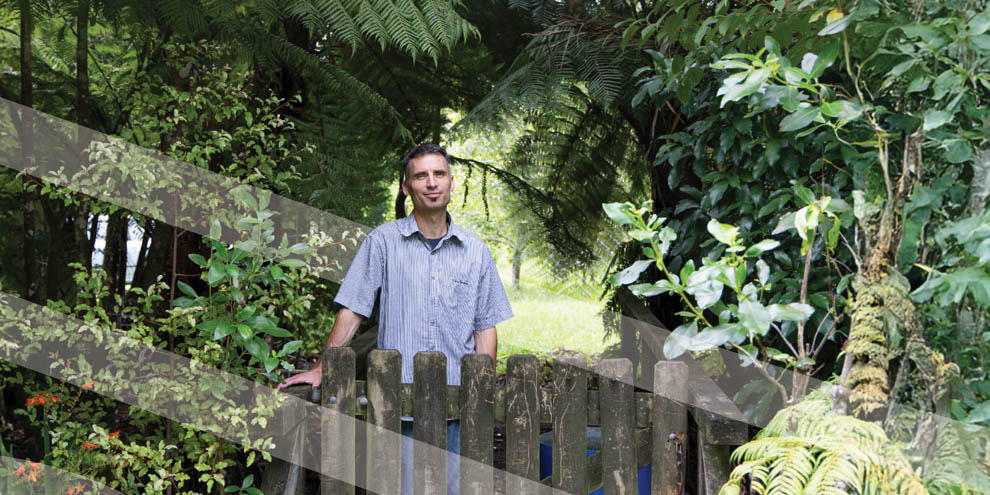
Sean's Experience
Sean Leach, 35-44-year-old male, Auckland
I thought for sure I'd be able to get a vaccine medical exemption, given my health situation. However, the New Zealand Government's COVID-19 vaccine medical exemption criteria was so extremely strict that almost nobody could obtain one. I didn't fulfil the criteria, and neither did most people with ME/CFS.
I didn't need a vaccine exemption for work (because I'm unable to work), but the New Zealand Government's COVID-19 vaccine policy at the time, within the "traffic light" COVID-19 framework, effectively meant that if you were not vaccinated, there was very little within society that you could be involved in. Quality of life is vitally important for anyone with a disability or chronic illness. It is essential that we are able to be included in society where we are able. And at that time if you did not have a 'vaccine pass' you were excluded from society.
I would like to finish my submission by briefly recounting an experience I had around the end of 2021. I remember one day I was out and about in the city and got severely fatigued, which is a symptom of ME/CFS. I desperately needed to sit down and rest and to eat and drink something. I was in an area with a lot of cafes and restaurants. I tried everywhere but they all required a vaccine pass.
It was truly a bizarre and horrible experience having a ME/CFS flare up and being turned away from cafes for not being vaccinated. I felt discriminated against. And I was being discriminated against.
To hear more about Sean’s COVID-19 experience, watch his video testimony that he provided to the Commission during the hearings process.
I remember standing outside a bakery at the "unvaccinated" outdoor window for nearly half an hour while everyone else walked inside to be served ahead. Standing alone on the pavement on a busy day in town, I felt so embarrassed, small, dirty and discriminated.
35-44-year-old Pākehā male, Auckland
My family were excluded from social events. My family were publicly kicked out of venues. This was a frightening and demoralising. We couldn't get a haircut or a book out of the library.
45-54-year-old Pākehā male, Wellington
Some people conveyed the injustice or humiliation of being turned away or treated differently due to being unvaccinated. They described that navigating public spaces became uncomfortable and was marked by a lack of privacy, additionally, they opposed the sudden vulnerability of having their vaccination status revealed to onlookers. Some comments indicated that these restrictions affected how unvaccinated people were treated or perceived by others (see 'Mandates as divisive and encouraging ostracisation' for more on this).
Meanwhile, I was excluded from every day public life. I was unable to take my child to places their friends were going: libraries, public toilets, and other facilities, despite being at no greater risk than anyone else. In fact, I was more conscientious than most, staying home if I had symptoms, while vaccinated individuals with valid passes were freely moving about while visibly sick. The hypocrisy was staggering. My child couldn't understand why they were being treated as "less than".
35-44-year-old Pākehā male, Auckland
Excluded people often questioned or dismissed the rationale for the vaccine pass system, particularly the claim that the unvaccinated pose a greater risk of transmission. The inconsistencies in vaccine pass requirements between or within places was also offered as evidence that the pass system itself was illogical, or intended as a coercive measure, rather than preventing illness.
My kids were not allowed to go to playgroup, swimming, dance classes and other activities. I had to explain why and it was upsetting and extremely unsettling for them and our family. Writing this brings back how angry I was at the time all for a vaccine that absolutely didn't work not one bit.
35-44-year-old Pākehā female, Waikato
Concern was expressed for the impact these restrictions had on children and young people. Parents often described their experience of the restrictions as a family unit, or detailed the specific impacts felt by their children. Despite restrictions only applying to those aged 12 and up, people stated that children of all ages were affected due to the exclusion of unvaccinated guardians or other family members.
Some submitters told us that spaces of social connection and inclusion became segregated and divisive when the vaccine pass system was introduced, effectively isolating unvaccinated people from their communities. The restrictions also impacted various specific relationships formed through clubs, sports teams, community activities, or at church by effectively removing access to their places of connection.
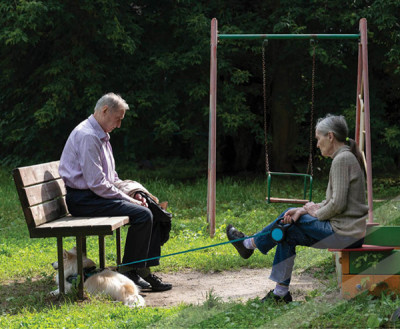
There were approximately 60 homes in this community and only two of us refused to be vaccinated. We were completely ostracised. Our community life was completely stopped. The management ruled we were not allowed to attend the community functions, excluded from the Christmas dinner, not even allowed to walk around the complex, and certainly not to mix with others.
75-84-year-old Pākehā female, Bay of Plenty
Descriptions of personal relationships affected by mandates
People consistently told us that the mandate had negative impacts on relationships with friends and family. The main stressor reported was from differences in opinion about the vaccine. People's choice to remain unvaccinated was said to result in them being shunned by loved ones. This exclusion was often linked to people's belief that unvaccinated people posed a greater risk of spreading COVID-19.
Some unvaccinated people told us that they were not welcome at family and social gatherings, including Christmas, funeral, weddings, or birthdays. This was said to further isolate unvaccinated people from their loved ones by dividing entire friend groups or extended family. Anger was expressed at the Government for this outcome.
Others stated that mandates caused intense friction and arguments within relationships about whether to receive the vaccine (or if the Government's response itself was justified). Several parents described arguments and tension within relationships about whether to vaccinate their children and people were very scared that their loved ones would be harmed if they received the vaccine.
Some reported that their relationship tensions about the mandate have eased due to (vaccinated) family or friends apologising for their behaviour or changing their view, acknowledging the harms of the mandate or the vaccine itself. However, a much larger proportion remain estranged from family and/or friends because of differing opinions, and there was residual anger at the Government that these people believed what the Government had said.
I lost close personal friends who did not agree with my decision not to take the COVID-19 jab. They thought I was betraying the whole country. I lost the church I had been attending because I was barred from entering it. My family and relations were divided and at war with each other. My siblings and extended family abused me because I refused to take the untested COVID-19 jabs.
65-74-year-old Pākehā male, Bay of Plenty
Our marriage was in tatters, and as I write this note, I am saddened to say we are together and have gotten past it. The wounds have healed, but the scars will always be there. The fights and the arguments over getting our children vaccinated, or not, were fierce, polarising, and harmful to each other and our children. The harms the mandates caused are unquantifiable. They hurt us a lot.
55-64-year-old Pākehā male, Canterbury
I still have a daughter who won't talk much to me. It has done irreversible damage to my family. My in-laws wouldn't talk to me. My sisters and brothers in law wouldn't talk to me. I will never ever forget or forgive those in power for ostracising me for not choosing to take a vaccine that I knew wasn't safe for my body and that I didn't need.
55-64-year-old Pākehā female, Hawke's Bay
A theme that emerged from across several engagements was that the vaccine mandate policies created profound and lasting social divisions that many people felt persist years after their removal. Multiple regional engagements documented how vaccination decisions split families, with participants saying that it was 'the most divisive thing that could happen to a family unit.' Several Auckland engagements revealed how workplace tensions emerged between vaccinated and unvaccinated staff, creating ongoing management challenges even after mandates ended.
Representatives from Pacific and ethnic communities mentioned some of these groups experienced complexity around mandates due to cultural values around family decision making and respect for authority. The Auckland regional engagements revealed some family divisions that 'still haven't healed' despite these communities ultimately achieving high vaccination rates. However, success was achieved through church-based events and peer advocacy rather than mandate enforcement.
I recall messaging out into the organisation, please, please don't burn relationships here, be respectful of each other. There was a sense amongst some staff of [it being a] freeloading problem; the vast majority get vaccinated, they take one for the team and an element of resentment with others that don't do their bit.
Representative, Auckland Council Forum
Descriptions of the negative effect of mandates on mental health and wellbeing
I remember being in tears while getting my vaccination and afterwards while waiting the 20-30min – I felt completely helpless and forced into something I didn't want to do.
35-44-year-old Pākehā male, Southland
I lost my job. I lost friends. I lost self-esteem. I lost family.
45-54-year-old female, Canterbury
Expressions of distress, anger, and sadness were interwoven throughout comments about negative aspects of the mandates, particularly within personal experiences. Submissions from some people who had strong feelings against being vaccinated were often heartfelt and conveyed the emotional pain of weighing up the risks and benefits of receiving a vaccination, and the known and unknown consequences both weighed heavily on people.
The emotional toll was huge for so many people. I believed that I was going to lose my job which would have been devastating for me and my family – I was preparing to have to live on the streets at one point, as I could see no other option. I felt like an outcast, losing friends who thought that I was being selfish, not being allowed into shops, toilets, the library or even my normal church service as I didn't have a COVID-19 pass.
45-54-year-old Samoan/Pākehā female, Auckland
Some described being distressed, upset, experiencing panic attacks, and being very worried about being vaccinated. Less often, the stress of the mandates was linked to general health decline or impaired recovery. There were also general mentions of emotional hardship, psychological damage or the mental toll it had on people. Stress, sleeping problems, anxiety, depression, suicidality, PTSD, and various descriptions of social withdrawal were among the specific outcomes described. Some comments conveyed that the extent and multitude of ways the mandates impacted people's lives, in employment, relationships, ability to engage in typical activities, and the broader public perception, meant that mental health was inevitably damaged.
From that day I had to leave, my whole mental health collapsed leaving me in a state that I wanted to end my life. The trauma is still in my body as I now still have panic attacks. I cannot hold down a job and now am still on antidepressants. It has ruined my life forever.
55-64-year-old Pākehā female, Canterbury
The mandates were sometimes described as the tipping point that prompted pandemic-related mental health decline. Alternatively, the mandates were described as a distinct event that by itself had great significance in people's lives, one that transcended the COVID-19 pandemic. Some people described that the mandates shattered their lives or 'broke' them.
A common thread throughout experiences shared was the sense of pressure surrounding vaccination, which was intensified by the mandate, increasing social pressure, and enforceable consequences. This pressure came from many angles, each acting in opposition to knowledge that people had gathered about the vaccine themselves, people's intuition about what is right for personal health, and the ability to make personal health choices.
The pressure during this time was overwhelming. I felt constant anxiety, not just from my employer, but from the broader societal push and Government rhetoric shaming those hesitant or unwilling to receive the vaccine. I was scared – scared of potential side effects and fearful of being forced to take a vaccine I didn't feel I could trust.
55-64-year-old female, Auckland
I was stood down in my job (as I work for the health sector) as I refused to take the COVID-19 injection. Each day of the 15 days I have cried as I did not want to take something like this injection… You can imagine what trauma I went through. I have to pay my mortgage, pay the bills etc, I had to decide – keep my job or die of hunger. I kept my job. I went to take the injection.
55-64-year-old female, Auckland
I was very scared, very depressed, slept very little for months, constantly fearful of someone smashing through my door at any time and forcing something on me that I had NO desire to take, and certainly and absolutely NO confidence in as a preventative.
55-64-year-old Pākehā female, West Coast
For some, the introduction of the vaccine mandates for employment brought anxiety about how it would affect their lives, employment, financial situation, relationships, and social connection with others. For others, this anxiety developed as the mandates wore on, causing people to isolate themselves from their community or avoid essential services (for example, for fear of being questioned about their vaccination status).
Others told us they were fearful of being forcefully vaccinated, referring in various ways to the Government's reported statement the unvaccinated would be 'hunted down'. Such fear was real for some of these people, who believed that the Government could remove children to vaccinate them, or enforce vaccination in violent or confronting ways.
I endured two mandated vaccinations due to my financial situation, having a family to support and facing the harsh reality of not being unable to provide if I lost my job. I still struggle to come to terms with the forced vaccination. Being violated in the worst sense. We are told that it is our body our choice but No. But not in this instance to be forced into a corner and become part of the biggest medical experiment of our time.
No demographic information provided
Some people described the emotional impact of being vaccinated under duress, sometimes detailing the event itself as generally describing it as a violation or something they endured (see There was a lack of choice later in this section for more). Less often, people expressed guilt or shame at having 'given in' to Government directives, at the sacrifice of their personal values or beliefs.
The Ngā Maia Trust engagement detailed how mandates violated cultural concepts of mana (authority/dignity) by removing individual and collective choice in health decisions. The concept of bodily autonomy and the right to make decisions for one's whānau was seen as being overridden by Government decree.
Support was found amongst the unvaccinated community
I felt at times very isolated, and despondent until a group of courageous women formed the Voices for Freedom group (VFF). This was a life saver especially when small groups were established. This enabled like-minded people to meet and talk freely about how we truly felt and at last we felt understood. What a relief to talk and laugh and feel free with a feeling of at last belonging. That people cared for us and about us with no judgement.
85+ year-old Pākehā female, Auckland
Thankfully [company name redacted] were risking their business, income and reputation by keeping the doors open to vaccinated and unvaccinated and our son started at the gym to keep fit and his mental health intact. This is the only good outcome for us as a family. Our son is now a competitive athlete in MMA [mixed martial arts] and my husband attends for fitness too. We have found a new passion and whānau.
45-54-year-old Pākehā female, Auckland
Some people stated that the divisiveness of the vaccine mandates prompted people to find a community of like-minded people for the unvaccinated. Groups such as Voices for Freedom and events such as the Parliament protest were said to have provided much needed mutual support networks and to have reestablished a sense of community that was damaged by vaccine-based restrictions. These people tended to emphasise the positive impact these groups had on their lives and wellbeing, using words like inspiring, tolerant, open-minded, caring, like-minded to describe the people they connected with in these spaces.
In some cases, where unvaccinated access was restricted, people expressed support for the 'bravery' or 'solidarity' shown by business owners or local groups that flouted public health rules.
Broad opposition to vaccine mandate
He whānui te whakahē ki ngā whakature kano āraimate
General objection to vaccine mandate
A similar proportion of people as to those who talked about divisions in society, stated that they objected to the requirement to vaccinate. These people often stated in simple terms that vaccine mandates should not have happened. Many felt that the mandates were an overreach of Government intervention, ignored bodily autonomy, or that they were about control. Some people repeatedly objected to the lack of personal choice in what was sometimes referred to as a medical intervention.
I consider that vaccine mandates and lockdowns infringe on individual freedoms and bodily autonomy. I believe that [the] Government should not have the authority to mandate medical decisions or restrict movement, viewing such measures as overreach. Some see these policies as a slippery slope toward authoritarianism, where personal choice is sacrificed for collective safety.
45-54-year-old Pākehā male, Canterbury
The Northland engagement with young people revealed anecdotes of an underground economy where some people got vaccinated multiple times on behalf of others to help them obtain vaccine passes, indicating the lengths to which some went to circumvent the system.
Statements around there being a lack of choice
Coercing citizens to take vaccines or face losing their jobs and livelihoods contravenes our rights to refuse medical treatments. While technically we could refuse, in reality many of us couldn't if we wanted to continue to earn a living, go shopping, etc. This is not how civilised democracies should treat their citizens.
45-54-year-old Pākehā female, Manawatū-Whanganui
Some people objected to being forced to get the vaccine, arguing that in reality, there was no choice. The threat of job loss (for example, 'no jab, no job') was the most popular evidence offered in arguments that the vaccine was not optional (note this topic is discussed further under 'Employment loss'). Social pressure, including limiting access to public and private places (like cafes and libraries) and pressure from friends and family were also frequently cited as aspects that made it difficult for some to choose not to vaccinate. This was sometimes referred to as a "Hobson's choice".
Hesitancy due to existing health issue/s
Just to say I put my health first and declined a therapy that I did not need and was likely to do me more harm. I was sacked due to not wanting to put myself at risk of further anaphylaxis.
55-64-year-old female, Auckland
Some objected to the vaccine mandate because of existing health issues or reports of previous adverse reactions to vaccines. These people talked about existing issues that made them reluctant to be vaccinated, including heart issues, blood conditions, anaphylaxis, pregnancy, compromised immunity, and autoimmune conditions.
I was sacked for not getting the vaccine. I had cancer so was very careful about what I put into my body and what they did is a crime against humanity. I had no legal standing.
55-64-year-old Pākehā male, Manawatū-Whanganui
Others objected to a vaccine mandate based on concerns about vaccine safety, stating they wanted to wait before getting the vaccine, expressing scepticism about the vaccine, or being concerned about vaccine safety due to having heard about adverse reactions. Of these, people often mentioned hearing or finding conflicting information about the vaccine or stated that they did research into the safety and efficacy of the vaccine which returned concerning information.
As I was no longer in the workforce, I was able to avoid having any vaccines. A decision made based on one of my siblings having both a localised reaction to the first injection followed by myocarditis. Further to inform my decision was one of my children advising against the safety of the vaccines following considerable research she had undertaken. Family members who had health problems following vaccination included a son who had to go to A&E because of chest pain and a daughter-in-law who following her last vaccination, mandated because of her employment, has now got peripheral neuropathy and is now permanently disabled.
65-74-year-old Pākehā female, Bay of Plenty
Hesitancy to vaccinate was reported in the regional engagement also, with different communities showing varying patterns of initial hesitancy. The Auckland ethnic communities forum revealed that Chinese seniors had COVID-19 hesitancy rates of 20-30 percent, often related to language barriers and concerns about accessing healthcare if they experienced adverse effects. Some Muslim communities raised specific religious concerns about vaccination, requiring targeted engagement with religious leaders to address theological questions.
Concern that informed consent was undermined
The phrase 'informed consent' was frequently used by people who objected to the vaccine mandate. They argued that the vaccine mandate did not allow for informed consent, that there was a lack of information about the vaccine and potential side effects and that the use of 'coercive tactics' meant consent was compromised.
I was opposed to the vaccine mandates as I was not convinced the COVID-19 vaccine was safe. While I understood that the Government aimed to protect public health, I felt that individuals should have had the right to make their own informed medical decisions without facing restrictions on their employment or participation in society. The pressure to comply felt coercive rather than based on open discussion and consent.
35-44-year-old Pākehā female, Canterbury
The formulation of the Health and Disability Commissioner (Code of Health and Disability Consumers' Rights), along with the New Zealand Bill of Rights gives New Zealanders the right to make informed decisions and to refuse medical treatment. When the NZ Government mandated COVID-19 vaccines (after [Dame] Jacinda Ardern assuring the public she would not mandate them) it stripped us of our autonomy over our own bodies.
45-54-year-old Pākehā female, Manawatū-Whanganui
Others challenged the legality of the mandates, arguing that the lack of informed consent was a breach of medical ethics, the Nuremberg Code, and the New Zealand Bill of Rights Act 1990. Such comments included criticism that a medical procedure could be made mandatory under New Zealand law.
Healthcare workers we met with from across multiple regions reported struggling to provide comprehensive informed consent information because they themselves lacked complete information about risks, particularly for pregnant women and children. The New Zealand Nurses Organisation (NZNO) engagement detailed how nurses were expected to administer vaccines and answer patient questions despite having limited access to detailed safety data.
Views about the mandate's impact on employment, business and the economy
Ngā whakaaro mō te pānga o ngā whakature ki te mahi, te pakihi me te ohanga
Employment losses due to the mandates
The mandates ejected long serving upstanding employees from their employment, leaving them in financial duress and shamed them in front of their colleagues and employers. This decision deprived these persons of their right to work which is a fundamental human right. There was no medical reason for this decision – this "vaccine" could not provide immunity nor stop transmission from those who submitted themselves to it.
45-54-year-old Māori/Pākehā female, Northland
Loss of employment was one of the most discussed repercussions of the vaccine mandate. While some people broadly criticised that people lost their jobs, most of these comments discussed first- and second-hand experiences of job loss, including high levels of stress and financial hardship that resulted. Being 'mandated out', as many characterised it, was a very distressing process for many. People discussed experiences of significant financial stress, needing to seek support through the Ministry of Social Development (MSD), or having to move or sell their home.
I faced losing my job because I chose not to be vaccinated as I didn't have enough true long term scientific information to support that the vaccine was safe and effective. From the time of the media release, I had two weeks to find a job. I was hugely stressed. A single parent of two children. A mother with lots of verbal abuse but remained strong and resisted the urge to get vaccinated, fortunately I did not lose my job.
55-64-year-old Pākehā male, Manawatū-Whanganui
While most people who talked on this topic discussed losing their jobs as a direct result of the mandates, comments were also made regarding people who left jobs prior to the enforcement of mandates, people leaving because of the ways in which unvaccinated people were treated, and people who were unable to apply for or secure a job due to vaccination requirements. Some people spoke passionately about the difficulty of being treated with hostility in their work environments for choosing not to vaccinate and feelings of betrayal that long-standing positive relationships with employers were suddenly dissolved. Examples were offered of employees finding their office locks changed, or of being threatened to be escorted off the property.
My wife and I both decided early on that we were of very little risk of getting COVID-19 or indeed serious side effects should we have contracted it. Both our employers put undue pressure on us, and in my wife's situation they actually said, "you will lose your job if you don't get vaccinated". In my case, I suffered lots of verbal abuse but remained strong and resisted the urge to get vaccinated, fortunately I did not lose my job.
55-64-year-old Pākehā male, Manawatū-Whanganui
Due to the pressure placed on businesses by Government and media; the company for whom I work implemented a company-wide protocol regarding vaccination status. Staff who chose not to take the COVID-19 shots were prevented from attending the office unless they provided either PCR or RAT tests every 48 hours. I was not prepared to subject myself to constant testing nor therefore needed to work remotely for a period of 7 months.
55-64-year-old Pākehā male, Northland
The vaccine mandates impacted on the ways in which unvaccinated people could work. Some people talked about requirements for frequent testing and restrictions on where they could physically be in the workplace if they were not vaccinated. They also described being temporarily stood down from work as a consequence of not being vaccinated.
Suddenly I found myself not sure if I would have a job in the long term. It created severe stress and anxiety due to the uncertainty of the future. It was extremely sad to see the effect on my relationship with colleagues, friendships, on my family, whānau. The division in society could be felt everywhere.
55-64-year-old female, Canterbury
Some also made the point that they experienced stress due to strained work relationships and uncertainty regarding their future employment. This was particularly evident in people who worried about being mandated out of jobs.
Impact on employers and business owners
Comments about the impact of the mandates on employers most often addressed the difficulties of managing or dismissing unvaccinated workers. Some were reluctant to have to terminate their staff and also took issue with the responsibility placed on private businesses to enforce the vaccine mandate, sometimes arguing that this responsibility meant that accountability for unlawful dismissal would fall on private businesses instead of the Government.
Participants at the Teachers' and Principals' Associations forum mentioned dynamics in schools, where teachers became unwilling enforcers of health policies despite lacking medical expertise or training. Some principals described being placed in impossible positions, required to interpret and implement health policies while managing community expectations and maintaining educational relationships.
The New Zealand Police Association engagement highlighted that some police officers found themselves caught between implementing public health orders and maintaining community relationships. Some police officers reported being viewed with suspicion by some community members who saw them as enforcing unpopular policies rather than providing traditional policing services.
Instances where businesses were lost or suffered due to the mandates were also raised. While some broadly criticised mandates as a part of the response that 'destroyed businesses', some people more specifically opposed the social division caused by mandates. In some cases, people argued that mandating led to a loss of customers for unvaccinated business owners.
Other economic impacts
Smaller numbers of people told us about other economic impacts of the vaccine mandates, such as: personal experiences of personal financial hardship and housing issues; criticisms of the lack of compensation for financial losses, and broad criticisms of the mandates' negative impact on the economy.
Concerns about the way mandates were implemented, including exemptions
Ngā awangawanga e pā ana ki te whakatinanatanga o ngā whakture, tae noa ki ngā whakoretanga
We ask the Inquiry to consider the burden placed on small-to-medium businesses by such mandates, and the long-term consequences of requiring private employers to enforce public health policy — particularly when those decisions are now being scrutinised through employment disputes.
45-64-year-old Pākehā male, Canterbury
I was a home-based hairdresser and mandated to take the jab. I decided to stop working rather than take an untested jab. I lost a third of my business due to people feeling unsafe by my decision when I was able to start up again. The discrimination was awful not to mention the effect it had on my already small income. I didn't give any of my clients COVID-19, but all the vaccinated ones have had it many times – I've had it once and very mild.
45-54-year-old Pākehā female, Bay of Plenty
The Government promised that any COVID-19 vaccine would not be mandatory, then they completely went back on their word. There was heavy pressure in the media to get vaccinated, including shaming and vilifying those that chose not to.
55-64-year-old Pākehā male, Auckland
Criticisms were raised about the ways in which the vaccine mandate was implemented, with some people critiquing how it was communicated by the Government – particularly that the initial statements on vaccines led people to believe there was no obligation to receive it. Some took particular issue with the Government stating that the vaccine would not be mandatory, despite it later using what were called 'coercive tactics' such as vocational mandates and 'divisive' communication.
I had suffered allergy issues in 2019 and knew that it was risky to inject a foreign substance. I heard exemptions were not given even for anaphylaxis, so believe the Government was wrong to disregard people's issues.
55-64-year-old Pākehā female, Waikato
Vaccine exemptions – a complete joke. I applied for exemptions 3 times – each time denied. Without consult, without knowledge of my situation, a person in an office in Wellington decided that they knew my body better than myself or my doctor/specialists.
45-54-year-old Pākehā female, Bay of Plenty
Exemptions were frequently discussed, most often in the context of being too difficult to obtain. This was particularly the case for those with pre-existing health issues or those who had had adverse reactions to vaccines, including to previous doses of the COVID-19 vaccine. A smaller number of people argued that religious exemptions should have also been made available.
Chloe’s Experience
35-44-year-old female, Hawke's Bay
When I received my second dose of the Pfizer vaccine on December 22, 2021, I was already feeling a deep sense of anxiety. I again wrote, "I do not consent" on my consent form. The following morning, on December 23, I was awakened at 3:00am with chest heaviness and palpitations. Over the course of the day, my symptoms fluctuated, but by Christmas Eve, my condition had significantly worsened.
Realising the gravity of my symptoms, I sought immediate medical attention. I visited my local Medical centre, where an ECG showed abnormal results... The medical team swiftly called an ambulance, and I was admitted to the hospital with suspected myocarditis. However, my troponin levels were negative, leading to a diagnosis of pericarditis.
For the next six weeks, I struggled with tachycardia (heart rate of 150–190 beats per minute at rest), severe chest pain radiating to my left shoulder, extreme fatigue, shortness of breath, and debilitating brain fog, to the point where I could not even form coherent sentences. These symptoms persisted for several months, with the fatigue and brain fog lingering for around six months. To this day, I continue to experience occasional chest pain, palpitations, and difficulty with aerobic exercise.
Despite these ongoing issues, I was informed that my exemption request was denied, as the medical professionals involved determined that there was no 'permanent damage' to my heart. Consequently, I was unable to retain my job at Te Whatu Ora, as I was not considered 'fully vaccinated' and refused the booster shot.
Although my claim for pericarditis and heart arrhythmia was accepted by ACC, the damage to my career was already done. I was out of work for an entire year and, during that time, struggled both financially and emotionally. To make ends meet, I worked cleaning toilets for a year, a stark contrast to the rewarding career I had built as a nurse. This situation took a significant toll on my mental health, and I sought professional support from a psychiatrist to cope with the trauma and distress I had experienced.
The last doctor I saw at the hospital said do not get the second one, it could kill you. He told me this after looking all around to make sure no other medical people were near and listening. My own doctor wrote me an exemption, but they were retracted by the Government and when my doctor applied to [Sir Ashley] Bloomfield for one it was declined, like everybody else it seems, and I was told to get it at the hospital with a crash cart beside me!
45-54-year-old Pākehā female, Southland
Criticisms were raised regarding the changes to who was able to grant vaccine exemptions. While exemptions were initially granted by general practitioners, the ability to grant exemptions was eventually limited to the Director-General of Health. This change was heavily criticised in the submissions received, especially by those who previously had been able to obtain an exemption, as it was said to make it 'impossible' to obtain another.
People frequently claimed that 11,000 vaccine exemptions were granted to healthcare workers, politicians, or public servants and objected to what was viewed as preferential treatment for select groups. Such statements were often paired with frustration at exemptions not being available for the general population.
Who are the 11,000 people granted exemptions from COVID-19 vaccination? What groups of occupation do they belong to? Why the continuing secrecy over this matter? Until this information is released, no one can trust any Government again.
65-74-year-old Pākehā male, Canterbury
The medical exemption process was consistently criticised across all healthcare sector engagements for having an extremely high threshold, even for those who had experienced adverse reactions to their first dose. The New Zealand Nurses Organisation (NZNO) engagement detailed cases where nurses who had documented adverse reactions were still denied exemptions, forcing them to choose between their health and their employment.
The same organisation reported that many nurses struggled to understand who qualified for exemptions and what documentation was required. Participants said this was compounded by the fact that exemption criteria seemed to change without notice, leaving healthcare providers in impossible positions when advising patients.
Privacy concerns, particularly regarding the vaccine pass, were raised by some people who argued that these passes breached people's privacy regarding their medical decisions. Criticism was also raised more broadly about the vaccine passes, with people arguing that they were 'unnecessary' and 'divisive'.
The Government normalised exchanging people's private medical information and continued this abuse for YEARS in the form of the vaccine passes, when bouncers and other non-medical staff were entitled to learn about one's medical information. These obscene measures continued long after it was apparent that the "vaccines" did not in fact prevent infection OR transmission of the virus.
25-34-year-old Pākehā male, Auckland
Concerns that Parliament protestors were treated poorly | Ngā awanagawanga i tukinohia ngā hunga mautohe i te paremata
I supported the Wellington protest and went down one weekend and met some gorgeous people who had very sad stories. It was such an amazing place and certainly not the "river of filth" the Government made it out to be. All these people wanted was to be heard by the Government but instead were ignored.
65-74-year-old Pākehā female, Waikato
Some people who were critical of vaccine mandates were sometimes also critical of the way the Parliament protests were handled, stating that ending the protest was illustrative of the overbearing or dictatorial nature of the New Zealand Government in abusing the right to protest or free speech more generally. Some described protest attendees as 'everyday people' or peaceful protestors who had legitimate criticisms of the vaccine mandates. People were oftentimes not happy that the protestors were not acknowledged by decision makers. Such behaviour was often called cowardly, or unprofessional.
Some submitters described how some politicians from across the political spectrum viewed the protestors with disdain or disgust. This outlook, paired with wider media coverage of the event, reportedly drove the broader public view that the unvaccinated were 'dirty', and that their decisions were driven by selfishness or misinformation rather than health concerns and a belief in the right to choose.
The Parliament protest itself was discussed favourably by these submitters who praised people coming together to oppose the vaccine mandates. Some reflected on their own experiences attending the protest in person, while others stated they wished they had attended. Some expressed pride or gratitude for the protests as they were 'standing up for freedom', or the right to 'choose what goes into our bodies'.
Firstly, I would like the Inquiry to know that our Government and media painted those like me – who do not vaccinate, chose to have bodily autonomy and want clear limits for a government – as crazy, Nazi, right-wing conspiracy nutters and spreaders of misinformation. This was particularly evident when the protests against our Government's COVID-19 response overreach occurred. We had Government ministers referring to its own citizens as "river of filth" and who looked down and laughed with the media as they played silly music out loud in an attempt at pseudo-torture. This was all unacceptable for a government in a modern democracy, and our supposed fourth estate, to smear and attack its own citizens and those with choices and beliefs.
55-64-year-old Pākehā female, Southland
I even went to the protest in Wellington because I felt it unfair to be dismissed because of the Government enforcing this mandate.
45-54-year-old Māori/Tongan female, Auckland
One of my proudest days was when the convoy made its way to Wellington – about 200 of us stood on the walkway cheering them on – from all walks of life – that was a day I felt proud again, not one of the dirty selfish unvaccinated.
55-64-year-old Pākehā female, Wellington
Concerns that the healthcare system was impacted negatively by mandates | Ngā awangawanga na te whakature i pā kino ai te pūnaha hauora
The Government even fired staff for not having it – meaning the country lost a lot of experienced health professionals and teachers. [Our local GP got fired due to it and we know how desperate the country is for GPs in small towns.] it was appalling and I believe that those health professionals and teachers are still not allowed to go back to work.
45-54-year-old Pākehā female, Otago
The mandate's impact on health workers
Mandates for health workers were mentioned by people who told us they were concerned about the state of the public health system. The present strained state of the health system was attributed either wholly or in part to the loss of unvaccinated healthcare workers. This topic was also sometimes discussed alongside negative impacts on other mandated professions such as teachers, police officers, and firefighters.
The number of excellent knowledgeable health staff who were mandated out of work despite the need for MORE workers, not less, was also extremely shortsighted, unless the whole aim was to cause less care and less safety in the healthcare system, leading to more needless deaths.
45-54-year-old Pākehā female, Auckland
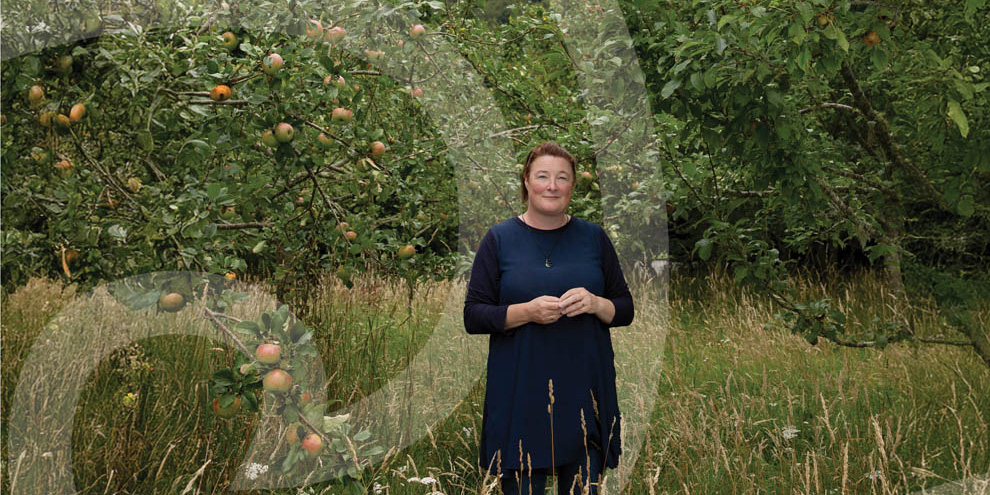
Jodi’s Experience
Jodi Streek, 45-54-year-old female, Marlborough
During the pandemic I was an essential worker at the hospital working on the COVID-19 ward, so having seen people die from COVID-19 I may have a certain bias towards mandates and safety.
I do feel the mandate to have to be vaccinated to work in some areas – although essential to a point – was mismanaged but this was probably due to the speed it had to be facilitated. If there was an option to work at home or in areas where risk of contamination was minimal and wearing full PPE, this should've been organised better as we did lose a lot of excellent nurses and allied health through this mandate.
RAT tests and masks -yes totally agree with and continue to wear them on the ward, I have seen many people without masks and some even deliberately spreading COVID-19 on the ward to immunosuppressed people underestimating the damage it can do – with the 'I'm alright' attitude and 'it's only a cold', which I find incredibly frustrating and to be frank idiotic and selfish. I have no issue with people having the choice not to wear a mask – don't get me wrong – or choosing not to have a vaccination – that's totally up to them however I do have an issue with people spreading it in a hospital with no thought to others and how it may affect them.
In the future with other pandemics, if they're as life-threatening as COVID-19 was and without an effective vaccine, then I'd absolutely recommend a lockdown while respecting people's choices and having policies in place for those who can work from home/modify their job to enable compromise and reduce loss of vocation.
To hear more about Jodi’s COVID-19 experience, watch her video testimony that she provided to the Commission during the hearings process.
Certain sectors mentioned they experienced disproportionate impacts, and they felt these had lasting consequences for service delivery. According to both the New Zealand College of Midwives and Aku Huia Kaimanawa engagements, the midwifery sector was particularly affected with approximately 200 midwives mandated out of practice. This exacerbated existing midwife shortages, with some rural communities losing three of their four practicing midwives (as reported in the Aku Huia Kaimanawa engagement). The Ngā Maia Trust noted that this particularly affected Māori families who lost generational relationships with trusted midwives.
The Inquiry heard that professional disciplinary actions were taken against healthcare workers who expressed concerns about vaccine safety. The Aku Huia Kaimanawa engagement detailed how midwives faced disciplinary proceedings for continuing to care for unvaccinated clients.
Emergency services also faced significant losses, with Hato Hone St John losing over 100 staff (mostly volunteers but including some paid employees). Regional engagements revealed that some disabled communities lost irreplaceable support workers who had built relationships over years, forcing families into crisis situations. We heard that some volunteer firefighters and emergency responders departed when communities most needed their services, creating gaps in emergency response capabilities.
Some rural areas were disproportionately affected due to smaller workforces and limited replacement options. Engagements in Northland revealed challenges where the loss of even a few healthcare workers created critical service gaps across large geographic areas.
Difficulties accessing healthcare for unvaccinated people
My special needs sister, who has been treated as a second-class citizen most of her life, now has to have her doctor's visits in the carpark, with the doctor in full PPE, further highlighting the second-class citizen she had officially become.
35-44-year-old Pākehā female, Manawatū-Whanganui
Some people discussed the experiences unvaccinated people had when accessing healthcare, with most of these comments related as first-or second-hand accounts. They stated they experienced discrimination, abuse, and coercion to vaccinate from healthcare providers and were treated like a 'second-class citizen' by health workers, some stating that their concerns about vaccinating were often not taken seriously. Some people also described experiences of physical exclusion from certain spaces, being made to sit separately from other patients, or having to receive healthcare in their vehicles or in a carpark instead of a clinic or hospital. The requirement to test for COVID-19 before accessing healthcare was also criticised.
One of my daughters is very unwell. She needed and still needs, regular osteo/ chiropractic treatment for her broken and damaged body and counselling for her PTSD, but because she didn't believe the lies etc., she was excluded and unable to go to ANY sort of clinic for help. That set her recovery back majorly. She has not been able to move forward mentally or physically as well as she should have, due to this exclusion and suffering on a daily basis.
55-64-year-old female, West Coast
Additionally, specialist care was said to be denied to the unvaccinated, though whether this was outright or through being dissuaded was not always clear. For example, some people talked about being concerned about how they would be treated in healthcare settings and that this was a barrier to them seeking help. Submitters sometimes noted that these barriers to accessing healthcare have led to worse health outcomes.
Mandate impact on education and student life | Pānga ki te mātauranga me te oranga ākonga
Our teenage boys also remained unvaccinated, and they were abused verbally at school by their peers and banned from using some school facilities and equipment. They were taunted about not being able to go to the movies, the local pool, play sport...
They both found it really isolating and difficult to study at home/Online. It had a huge impact on their education.
55-64-year-old Pākehā female, Wellington
Some made the point that the vaccine mandates negatively affected education, particularly for young children. People recounted stories of their own children's experience and suggested that children were exposed to discrimination due to their vaccine status, for example, being treated like 'lepers'; people suggested that as a result of this, confidence and mental wellbeing was impacted. Parents reported that they were distressed seeing their children excluded from sports, class activities, and camps.
Additionally, some people reported a decline in educational attainment because of mandates, for example, suggesting their children are at a lower standard, did not achieve the NCEA level they wanted to, or were unable to attend university due to vaccination status.
Vaccine mandates: mixed sentiment | Whakature kano āraimate: Kare-a-roto taurangi
Some submitters also expressed mixed sentiment opinions about the vaccine mandates appearing entirely undecided, or stated they were 'on the fence' about the issue. While overall supportive of the Government's overarching goal to protect public health, this group expressed uncertainty about whether the mandate was the best approach to achieve this, or whether it resulted in more benefit than harm.
Not sure what to say about vaccines. I believe everyone should have them but I'm not sure they can be mandatory without social consequences. In the same way that I don't want to be around smokers as a non-smoker, I feel I should have a right not to be around the unvaccinated in a pandemic situation. That would quite likely cause more division, so I don't know what the answer is there.
45-54-year-old Pākehā male, Wellington
Vaccine mandates: suggestions for the future | Whakature kano ārai mate: whakaaranga mō āpōpō
People broadly supportive of the Government's response suggested
Ngā whakaaranga a ngā tāngata i tautoko whānui i i te urepare a te Kawana:
People should have the choice not to be vaccinated. However, unvaccinated people should be required to quarantine and not go out and mix with those waiting to be vaccinated or those who have an increased risk.
45-54-year-old Pākehā female, Canterbury
- Vaccination should be an opt-in process, with people given a choice as to whether to get vaccinated or not; job losses should not be a result of choosing not to vaccinate.
- Vaccine mandates should be used again in future or be stricter, especially for people in certain high-risk sectors.
- If most people (elect to) get vaccinated, a mandate is not necessary.
- Workplaces should not bear the brunt of enforcing vaccine mandates.
- People who do not vaccinate and contract COVID-19 should pay for their own treatment.
- All vaccinations deemed necessary should be mandated with penalties for those who refuse.
Many of the regional engagements mentioned the word "mandate" created unnecessary conflict even in situations where people might have been willing to get vaccinated voluntarily.
People broadly critical of or with a mixed opinion of the Government's response suggested | Ngā whakaaranga a ngā tāngata i whakahē, awanagawanga rānei i te urepare a te Kawana
In future, we should use antibody testing – positive means no need to vaccinate nor quarantine. If infected, stay home and seek medical support as appropriate.
55-64-year-old Pākehā female, Canterbury
-
- Vaccines, as a medical intervention, should never be mandatory.
- Informed consent should guide vaccination goals in future, not mandates.
- People should have the option to wear a mask or test regularly if they do not wish to vaccinate.
- Encouraging health and immune support could eliminate the need for vaccine mandates.
- Transparency around risks and benefits could reduce 'mass push back'.
- Support programmes should be available to unvaccinated people who cannot work due to vaccination policies (for example, financial assistance, extended leave, remote work or retraining opportunities).
- Decision making should not be influenced by bodies such as the World Health Organization.
I strongly request that all medical interventions should ALWAYS be voluntary, and there should be absolute transparency to every single person, about the risks and benefits of ANY medical intervention.
55-64-year-old Pākehā female, Taranaki
Mandates for non-essential [workers] should not happen ever.
45-54-year-old African female, Auckland
My take on this if you don't get vaccinated, you still need to stay isolated, but you should not receive sick pay.
45-54-year-old male, Northland