
6 Cross-cutting themes Ngā kaupapa raranga

Communication and information
Whakawhiti kōrero me te mōhiohio
Topics raised
Most discussed
- Assessments of communication as fearmongering or propaganda
- Concern about censorship of information and alternative views
- Issues with information and advice communicated
- General support for pandemic communications
- Praise for daily press conferences
Least discussed
Summary of views
Negative commentary about COVID-19 messaging often included the perception that official communications were fear-based or amounted to fearmongering. People also frequently expressed concern that the Government controlled information, either through limiting what media could report or by censoring views that differed from official narratives. There was a cohort of submitters who felt that the Government broadcast 'lies' or overstated the risks of COVID-19 and/or relied too heavily on what was viewed as questionable advice from scientific experts. Additionally, some people were critical of changes to and perceived inconsistencies in the advice given. Greater airing of diverse viewpoints, media impartiality, and depoliticised communications were frequently suggested for the future.
Others reported they felt reassured and well informed by daily briefings, and that the public received evidence-based, scientifically valid information that was clearly and calmly delivered. These people offered suggestions around improving the explanation or rationale for decisions and felt that it was important to make information accessible for audiences across all comprehension levels.
Communication and information: what went well
Whakawhiti kōrero me te mōhiohio: Ngā mea i angitu
General support for pandemic communications
Te tautoko whānui mō ngā karere mate urutā
Of those who made positive comments regarding the Governments communication during the COVID-19 pandemic, most praised the clear and concise messaging about what was happening and the rationale for decisions. A key theme within these comments was that Government messaging helped people feel safe and protected during a time of uncertainty. The emphasis on kindness and unity was also appreciated. Other aspects of communication that were praised included transparency and the timely way information was shared and updated.
The messaging during the whole pandemic was a balm in an environment of fear and uncertainty. I truly felt like there was a sense of community and collective effort fostered, and this again contributed to me not having a complete breakdown and being able to manage my anxiety. I never once felt hoodwinked or lied to, nor did I feel like I was being forced into specific action or that my freedom was violated. To be completely honest, it was actually nice to feel a sense of togetherness.
35–44-year-old Pākehā female, Northland
Praise for daily press conferences
Ngā mihi mō ngā hui pāpāho ā ia rā
The daily briefings were frequently mentioned in people's comments and were described as valuable, informative, clear, comprehensive and easy to understand. The briefings were said to be reassuring, helping people feel supported and confident in the Government's response strategy. Some people commented that the daily briefings were the most effective way to communicate to a wide audience – people were told essential information about what was happening and why – and that as the situation evolved, this was especially important to keep people updated. Similarly, others said that daily updates were key to holding the community together and that the clarity of messaging was essential for public buy-in. Some people told us they watched the daily updates on TV at home and at work, with people reporting that this was a highlight of their day, especially during lockdown periods.
The daily 1pm briefings were amazing and made us all feel secure, we missed them when they ended.
75–84-year-old Māori/Pākehā female, Bay of Plenty
So again, thank you to the team who fronted on the daily – without-fail – been-in-time, with news and advice – they were a total comfort and source of understanding. I found them all so respectful and each one of them helped me not to feel afraid. It was incredibly well handled. So nothing but praise from me.
75–84-year-old Pākehā female, Bay of Plenty
Statements that leaders communicated well
Ngā kīnga i te pai o ngā kaiwhakahaere ki te whakawhiti kōrero
In some comments, people offered praise to those who led the country through the COVID-19 pandemic. Then Prime Minister, Dame Jacinda Ardern, received the most praise for communicating what were characterised as 'brave and decisive' actions which were said to give people a sense of direction and hope during times of uncertainty. Others described the communication from leaders as calm, optimistic and empathetic. Transparency in communication to the public was said to help foster trust in the Government's approach. In particular, people praised what they said was clear, science-based messaging from 'top health experts', particularly Sir Ashley Bloomfield. Other individuals praised for their effective communication skills were Rt. Hon. Chris Hipkins, Prof. Michael Baker, Dr. Siouxie Wiles, Toby Morris, and Hon. Grant Robertson.
I thought the leadership here was calm, strong and clear. The communication provided helped build a sense of trust and unity across much of the population.
65–74-year-old Pākehā female, Manawatū
I have to mention how much I appreciated Dr. Ashley Bloomfield's regular updates. His calm, straightforward style was exactly what we needed during such an uncertain time. Those 1pm briefings became part of my routine, and his clear explanations helped me understand why certain measures were necessary. It was reassuring to see someone so knowledgeable and level-headed leading the health response.
35–44-year-old Pākehā male, Australia
Sharing of expert scientific information and advice
Te whakawhiti kōrero e pā ana ki te mōhiohio pūtaiao me ngā tohutohu mātanga
People often talked about being impressed that the Government listened to experts from a range of disciplines and professions, which they said led to evidence based, scientifically informed planning and decision making. The communication to the public of what was happening as the situation progressed, as well as the reasoning behind the response, also received praise.
I was raised to fear vaccines, and getting my first COVID-19 vaccine was terrifying, I had a panic attack waiting to get it done the first time. However, the clear communication from epidemiologists explaining how vaccines and viruses work made it possible for me to overcome my fear. This public communication was vital and needs to be a key strategy in future public health responses.
35–44-year-old Pākehā female, Wellington
Conditional support for communication and information
Ngā tautoko here e pā ana ki te whakawhinga kōrero me te mōhiohio
Some people who were generally supportive of the Government's response and/or messaging identified weak points in the Government's communication during the COVID-19 pandemic. One key issue was how information, rules, and knowledge that was rapidly changing was communicated. This was said by some to be confusing, and others mentioned that it could have led people to lose confidence in the Government's ability to manage the situation. Rapidly changing information was often said to be particularly problematic for healthcare workers.
That our Prime Minister and our Director-General of Health mobilised a key number of experts from all disciplines and professions, from both the private and public sectors, to help create and implement the best 'battle plan' against the virus in real time, was nothing short of miraculous. There were so many ways by which, to my mind, we were helped by our Government of the time.
No demographic information provided
I understand we were all essentially trying to build the plane as we were flying it but communication especially about big health changes were not communicated appropriately to healthcare workers, and it also felt at times GP who were frontline were poorly recognised during this pandemic.
35–44-year-old Chinese female, Auckland
The short notice given for policy changes made operational changes highly challenging for local government, New Zealand Police, education, hospitality, and for ports. The Police Association noted that this created challenges for law enforcement who had to interpret and implement policies without adequate preparation time. Policy changes occurred up to three to four times daily at peak periods.
Multiple local councils reported struggling to keep up with rapidly evolving guidance that affected everything from playground closures to public facility management. They noted that this created implementation 'chaos' and undermined public confidence in local government's ability to provide clear guidance. In particular, Auckland Council representatives described managing 800 plus playgrounds and 858 public toilets with changing rules and minimal advance notice.
Local government representatives across the four regions we heard from reported that communication became increasingly centralised (from 2021 onwards), noting they received progressively less information about policy changes that they were expected to implement.
The lack of consultation was a point that some participants wanted to make in the Port Companies CEO Group engagement, where representatives described being given anywhere from 20 minutes to 48 hours' notice for major policy changes affecting critical supply chain operations.
You're getting information that changes on a daily basis and it's your job to keep up with it and be able to disseminate that to your community. That's a massive stress for us educationalists, let alone having to communicate health advice.
Representative, New Zealand Principals' Federation (NZPF) Forum
It was quite hard because things were changing a lot, and we weren't getting the information we needed until one and a half hours beforehand.
Representative, Hospitality New Zealand
For some people, constant updates caused anxiety, and the daily briefings were said to be too long. On the other hand, people sometimes told us that the Government should have been more forthcoming with information, especially regarding possible side effects of vaccination. One person suggested that reliable information from the Government and community providers should have been more readily available on social media.
New Zealand is a small country, and we need to be more dynamic in our decision making. The initial messaging was OK but treated people like children. Instead, the Government should have been open about the short-, medium-and long-term likely effects to people, mortality and the economy.
45–54-year-old Māori/Pākehā male, Auckland
As the pandemic went on, and in the years following the 2021 lockdowns, the lack of media attention on COVID-19 raised concern for some, particularly the statistics which advised of community infection levels. Some people who praised the initial communications from the Government later found the response disappointing.
People specifically mentioned better public health communication, especially for marginalised communities, as well as basic knowledge about infection control.
I did find that the PR from Labour was at the start very much needed, "be kind", but without bolder policies to help improve other health system issues, it did start to sound quite empty given the promotion (both here and abroad) of essential services without actually making sure that those services were supported at the level they needed, people started to realise that the PR didn't match up with actions.
45–54-year-old Pākehā gender diverse person, Auckland
In the future, I think messaging needs to be clearer. At the beginning of the pandemic the feeling of all being in it together was strong. But it deteriorated the longer it went on. The messaging wasn't super clear, it was very much we know better than you and you should do this, which was fine for me as someone who is highly educated and trusts in the Government and doctors, however I can see how it would have negatively influenced people who were in a different situation.
25–34-year-old Pākehā female, Auckland
RATs were too slow, masking was too slow, communication with marginalised communities needs better focus next time.
45–54-year-old Pākehā, Wellington
Auckland's unique population characteristics created pandemic challenges that were said to be not fully understood by national decision makers. The population diversity required tailored responses for dozens of different ethnic communities, each with distinct languages, cultural practices, and communication preferences. Some participants at the Auckland Council forum noted this required extensive translation services and cultural adaptation that strained their resources and highlighted the need for cultural competency in emergency planning.
The idea that centrally driven comms out of DPMC (Department of Prime Minister and Cabinet) fit with a community in Auckland of our size and complexity and richness in terms of different languages, in terms of how stuff actually reaches into the community. It absolutely required a lot of assistance to make it relevant.
Representative, Auckland Council Forum
Even some of those who were broadly supportive of the response felt that academics with dissenting views should have had more airtime. The need for balanced, open debate in these comments was often said to go hand-in-hand with ensuring trust in science and public communications.
I'm pro vaccine and lockdowns and the general response, but very worried when people aren't allowed to speak to put the other side of the vaccine and lockdowns. Yes, certain voices who know zero about vaccines etc. shouldn't be amplified, but when qualified Drs or the 'Plan B'-lot (who have PhDs) want to speak, we have to allow them to be the critic and conscience of society – even if we feel they're wrong.
45–54-year-old Māori/Pākehā female, Waikato
Other forms of communication
Ētahi atu ahua whakawhitinga kōrero
Aside from messages from the Government via daily, televised briefings, other forms of communication were said to be helpful in some aspects during response. People sometimes commented that digital tools such as mobile apps supported compliance and outbreak control and that information on posters, websites, social media posts and apps were effective. Some people said that clear, consistent branding and wording of Government messaging helped with accessibility. Some told us that the clear and consistent information about vaccinations that they heard was particularly important.
I liked how health information was freely given like little videos of HOW to take nasal swab etc. and what the meaning of RNA, DNA was to demystify as much as possible. Tino pai te mahi o nga health educators.
65–74-year-old Irish female, Nelson-Tasman
Access to accurate information in multiple formats (online, video, leaflet) was incredibly important for keeping our family safe, well, and continuing to live as normally as possible.
35–44-year-old Māori/Pākehā female, Canterbury
I also thought that the visual campaign showing very different people wearing masks, as displayed in libraries and on buses in New Zealand in 2021 for example, were very good. Good on ya and your visual communications team. Keep it up.
45–54-year-old Pākehā, Auckland
International news
Ngā karere o te Ao
Some people who praised Government communications made comparisons between Aotearoa New Zealand and other countries, reporting that awareness of the impacts of COVID-19 elsewhere in the world was important in helping them understand the purpose of New Zealand's response to COVID-19.
The terrifying overseas images and information provided by Government had a huge influence in how I thought and acted.
65–74-year-old Pākehā female, Wellington
Communication and information: what could be improved
Whakawhiti kōrero me te mōhiohio: ngā mea hei whakapai ake
Views of communication as fearmongering or propaganda
Ngā whakaaro he whakamataku, he rūpahu rānei ngā karere
Fear tactics, propaganda
A lot of people felt that Government used fear-based messaging in communications, in some cases saying this was to promote compliance or exert control. People who thought this way often used the words scaremongering or fearmongering. People sometimes described communications via mainstream media as 'propaganda' or framed Government information as mis- and disinformation. For these people, the media, Government and pharmaceutical companies were viewed as colluding with one another to create an overly fearful narrative, particularly in the 1pm daily updates. Societal fracture or division was also mentioned alongside comments arguing Government communications were divisive (see 'Social division and mistrust' for more on this topic). Some people also spoke about daily updates creating unease and anxiety, which was not framed in the context of communication as deliberately fear-based.
The Prime Minister's 1pm daily press briefing, where we were subjected to constant COVID-19 fear messaging.
55–64-year-old British female, Canterbury
As for the daily lectures and scaremongering that went on, that was horrendous in itself.
65–74-year-old Pākehā female, Auckland
People who were critical of the communications from mainstream media also expressed their displeasure over language used by public figures, including politicians, which was often said to be divisive. These comments were mostly in relation to protests and mandates.
Concern about the 'Single source of truth' statement
People speaking against Government communications frequently pointed to the Prime Minister's comment 'we will continue to be your single source of truth' as patronising, appalling, or outrageous, as well as for it being interpreted as part of a concerted effort to gatekeep information. The phrase 'pulpit of truth' or 'podium of truth' (or variations such as pulpit of doom, pulpit of lies) was often used to criticise the Government or its COVID-19 messaging more broadly. People sometimes referred to this statement as Orwellian or made references to Nazi Germany, characterising the use of it in a public broadcast as totalitarian, undemocratic, and tyrannical. A few people linked the pushing of only one narrative with feelings of mistrust.
This was the biggest divide of any human culture which was created by Government and media. The fear they instilled in people was disgusting.
55–64-year-old Pākehā female, Auckland
People felt justified in their frenzied attack on the unvaccinated, like it was their civic duty. Some experienced 'journalists' don't hesitate to ridicule, and name call unvaccinated people to this day. The results of this Inquiry I hope will be one way to silence some of the cruel and inhumane vitriol still occurring.
45–54-year-old Pākehā/Māori female, Gisborne
Public figures urging the nation to view the Government as the "single source of truth" is rhetoric chillingly reminiscent of totalitarian regimes of the past.
45–54-year-old Pākehā female, Canterbury
To this day, I am still stunned that the words "single source of truth" came out of our Prime Minister's mouth.
45–54-year-old Pākehā female, Bay of Plenty
The Government's 'single source of truth' messaging, intended to combat misinformation, proved counterproductive according to multiple groups we engaged with. Some mis- and disinformation experts noted that this approach drove people towards alternative sources rather than building trust in official communications. Professional-looking misinformation campaigns and social media conspiracy theories were said by these bodies to have filled the information void created by inflexible official messaging.
Media and media funding
People often suggested the media overexaggerated or sensationalised multiple aspects of COVID-19, that its coverage of the pandemic amounted to propaganda, or that there was collusion between media, Government and pharmaceutical companies. Some of these accused the media of being 'paid off' by Government to push a narrative of fear and propaganda. The Public Interest Journalism Fund was said to be the vehicle by which payments were made.
The NZ mainstream media were obviously turned into a propaganda arm of the Government during COVID-19 with bribes in the form of the Public Interest Journalism Fund.
65–74-year-old Pākehā male, Auckland
Some people also made various comments to which the media was said to be biased by not providing balanced reporting; media was silenced or 'captured' by not questioning the Government's narrative; and should remain neutral. These comments sometimes coincided with critiques raised surrounding fearmongering and censorship. A few people also critiqued excessive spending on advertising.
Usually, the press wants to criticise everything the Government does, but in this, they rolled over and complied with everything they were told. It became a New Zealand I never want to see or experience again. The Government and media lost their way completely.
45–54-year-old Pākehā male, Southland
Concerns about politicisation of a health crisis
People sometimes said that Government pandemic communications were politicised, in particular, these comments focused on Dame Jacinda Ardern whose television exposure at the time was said to be a form of self-promotion. Further, many questioned politicians' proficiency to take centre stage in communicating public health related advice and information, which was said to be better left to experts.
[Rt. Hon.] Jacinda [Ardern] and [the] Labour-led coalition monopolised every aspect of our life and were portrayed by our pimped-out media as our saviour: so of course she won. Unfortunately, she took this as a mandate to do whatever she wanted, and she did.
55–64-year-old Pākehā female, Canterbury
Contradicting this, others criticised experts and public health specialists whose information was broadcast as politically motivated or guided by their own self-interest. Lastly, people critiqued media and other political parties for being complicit for not challenging advice and information that was broadcasted.
Kindness messaging
Some people expressed frustration over the 'be kind' messaging by highlighting hypocrisies surrounding various aspects of the COVID-19 response, particularly people dying alone, in addition to comments discussing societal division in relation to vaccine mandates. Others expressed the kindness messaging felt disingenuous, that Dame Jacinda Ardern was pretending to care.
The belief that we had a new kind of leadership with a focus on being inclusive and considerate of minority groups, and a leader that was 'kind', 'compassionate' and 'empathetic' was proven to be a sham.
45–54-year-old Pākehā female, Bay of Plenty
Reports of censorship of information and alternative views
Ngā rongo mō te aukati kōrero me ngā tirohanga kē
Concern that dissenting voices were dismissed
Some people suggested that dissenting voices, alternative views, and free speech were discouraged during the response to COVID-19. These people told us they felt unable to question the science or otherwise disagree with the Government narrative. Some told us they felt their social media posts were suppressed (that is, removed) or that within their communities or society at large, open debate was discouraged. Comments like this frequently referenced democracy, dictatorships, or authoritarianism to underpin their views. Further, feelings of ostracisation and being ridiculed were noted, with people saying they felt angry and unheard when they talked about dissenting topics. Some stated they objected to being labelled a conspiracy theorist.
While the stated goal was to curb transmission, the harm caused by these measures—economic loss, mental health deterioration, and social isolation—was largely ignored in public discourse.
65–74-year-old Pākehā male, Manawatū
Expressing scepticism or asking questions about the vaccine and its safety was often met with dismissal or hostility. Public messaging promoted the idea that the vaccine was unequivocally safe and effective, yet as time passed, evidence began to emerge suggesting that the science was more nuanced than initially portrayed. Those who questioned the prevailing narrative were frequently labelled as anti-science or conspiracy theorists, discouraging open dialogue.
25–34-year-old Pākehā male, Wellington
Concern that health professionals' and scientists' views were censored
Censorship of health professionals, mainly doctors and nurses, was commonly discussed, with a few people often mentioning the censorship of scientists. Commentary was mainly generalised with people stating, 'should not be silencing doctors'. For those who elaborated further, people frequently made the point doctors should be able to openly discuss vaccine safety concerns. Frequently paired with this sentiment, people also argued there should be informed consent on risk – benefit analysis for each individual person. Some people expressed the suppression of other scientists and public health advisors' viewpoints and insinuated experts were 'cherry picked' by Government to promote an overly fearful narrative.
Silencing medical professionals who could not give individual advice to their patients if it contradicted the 'one size fits all' plan for the nation was incredibly damaging and unbelievable.
55–64-year-old Pākehā female, Canterbury
I believe the Government was duplicitous in only listening to their preferred health advisors and by silencing other health advisors who had different opinions on how the Government should be responding to the pandemic. I also think the handpicked media at press conferences was designed to further propagate the Government's false view that they were the only source of truth.
55–64-year-old Pākehā female, Manawatū-Whanganui
People sometimes reported doctors were censored from discussing alternatives to vaccines, as well as a few people mentioning exemptions. Fear of speaking out and losing licences to practise as well as being deregistered from professional boards of practice was also discussed. Less common were perspectives from doctors or other health professionals who spoke to these experiences directly or from patients’ experiences noting their doctor was hesitant to acknowledge and document vaccine injury (see ‘Concern about lack of acknowledgement and support for vaccine injuries’ for further discussion.)
Issues with information and advice communicated
Ngā raru e pā ana ki ngā mōhiohio me ngā tohutohu i whakawhitia
Views about inconsistent or changing advice
People who felt that communication could have been better frequently argued that information communicated was inconsistent or that the Government outright lied to the public. Statements were commonly discussed in simple, sweeping statements such as 'they didn't tell the truth' or framed Government communication as simply 'mis- or disinformation'. Of those who elaborated on their view that the Government lied, comments about the way that COVID-19 was transmitted and vaccine safety were most common.
People also argued the Government lied about the severity of COVID-19 (this was often said to be to induce fear) and that they lied about the effectiveness of masks.
People made various arguments relating to the response by commenting on discrepancies between overseas studies and information and the changeable nature of the national response. Further, people sometimes argued Government messaging was inconsistent, contradictory or that rules changed too frequently.
However, the professional and societal climate discourages open discussion of this issue, as medical professionals fear severe repercussions for questioning the prevailing vaccine safety narrative. I am a doctor, currently practicing in New Zealand and I choose to keep a low profile (and still prefer to remain anonymous, because of fears of being pursued by the New Zealand Medical Council).
35–44-year-old Pākehā male, Auckland
The frequent change in public health terminologies – from levels, to steps, to phases – caused confusion for kaumātua, undermining confidence and compliance.
No demographic information provided
[There was] no real evidence that the shots did anything to prevent the spread of the disease. It was more like wishful thinking. First, the shot would stop you from catching COVID-19. Next, it would reduce the chance that you'd catch it, and you wouldn't get sick. Next, you'd catch it, and you'd get sick, but it wouldn't be as bad, and you wouldn't die. They were just making s**t up as they went along, with no basis for anything they said.
75–84-year-old, overseas (Auckland during the pandemic)
During this whole period I found the conflicting information from Ministry of Education (MoE) and Public Health unhelpful and stressful. I generated all sorts of processes and documents to find that in a day or two were no longer needed or needed to be changed. The changing landscape became the stress, not COVID-19.
No demographic information provided
A fundamental theme that emerged across all engagements was the progressive centralisation of information and decision making that reduced local input and flexibility over time. What began as collaborative emergency response increasingly became a top-down directive, with local authorities and community organisations receiving less information and having less input as the pandemic progressed.
Some local government representatives described receiving contradictory guidance from different agencies, making it impossible to provide consistent information to their communities. Similarly, when this occurred, some community organisations said they struggled to understand which guidance took precedence when different agencies provided conflicting advice.
A consistent theme across several engagements was the challenge of navigating multiple conflicting information sources rather than having access to clear, authoritative guidance. The GP Leaders Forum described how healthcare providers received different guidance from different agencies, sometimes within the same day, creating confusion about best practices and legal requirements.
Several engagements noted the top-down approach with limited frontline consultation proved increasingly ineffective as the pandemic progressed. They said initial willingness to follow guidance without question gave way to scepticism and resistance as communities and workers experienced the practical problems created by policies developed without their input.
Reporting of COVID-19 cases and deaths
The COVID-19 death rate was questioned by some, while others rejected the case numbers or hospitalisation statistics. People in some cases described the official death rates as skewed, dishonest, or immoral. They often wanted a distinction made between 'died of COVID-19' and 'died with COVID-19' claiming in a number of examples an incident where a victim of a fatal shooting was recorded as a COVID-19 death. People were also critical of hospitalisations and argued that numbers were inflated. Lastly, some were suspicious that deaths from influenza had 'disappeared', implying this was evidence of underhand activity regarding COVID-19 numbers.
Something that really made me lose trust in the Government was the misleading statistics re: COVID-19 deaths. If a man is shot in the chest and dies from these wounds, that is what caused his death not the COVID-19 they found him to have when they tested him. This man shouldn't be classed as a COVID-19 death. This is scaremongering from the Government and more misinformation.
Likewise a man who dies in a car accident. Likewise a man who dies by suicide in a quarantine hotel.
I know public pressure did eventually get the Government to change their wording to "died of COVID-19" and "died with COVID-19" but the intent was there from the start.
45–54-year-old Pākehā male, Taranaki
Issues with scientific communication and modelling
Some people rejected various aspects of scientific communication and modelling, offering sweeping, generalised statements such as that the data was flawed, inaccurate, or manipulated. Modelling was sometimes said to have been wrong, seeing as the specified number of COVID-19 deaths did not eventuate. Sometimes people specifically referenced scientific modelling, stating it amounted to lies and overexaggeration, that modelling is 'pseudo-science' used to promote the 'Government narrative'. Some people also said the information provided was weak, oversimplified or hard to understand.
Assess the role of media and expert commentary in amplifying hysteria and shaping policy, particularly the overreliance on epidemiological models that lacked real-world accuracy.
No demographic information provided
The COVID-19 modelers were a complete joke and asking tarot card readers would probably have delivered the same accuracy.
55–64-year-old Pākehā female, Canterbury
Lack of public health information and general information
There was some discussion about the absence of Government messaging around optimising overall health and immunity. People were sometimes surprised that regular exercise, healthy eating, fresh air (being outside), various supplements, and connecting with others were not promoted.
It was all a bit weird, there was no positive information coming from any of the trusted health agencies, about any preventative measures people could follow to help build or boost their health outcomes when COVID-19 finally hit our shores.
55–64-year-old female, Canterbury
Of those who were critical of the Government's communications, a small proportion made generalised comments expressing their dissatisfaction at the apparent lack of publicly available information about the response. Some said that the rules didn't make sense, for example, 'people could visit outside at your home for a gathering but were not allowed to use the toilet in your home'. Others said that updates in international advice should have been communicated more effectively. People said that inadequate communication and lack of clarity about rules and the long-term plan caused confusion and led to a loss of trust in mainstream media, Government and the medical system. A lack of information about vaccine efficacy and safety concerned some people who felt they were unable to make an 'informed decision' to receive the vaccine (note, this is also discussed under 'Vaccine safety, approval, and rollout').
The Government chose not to be transparent about many of the people, processes, advice and information that were contributing to policy decisions, which limited the scope for future accountability and potentially lowered the standard for such contributions.
No demographic information provided
Other issues with public communications
Ētahi atu raru e pā ana ki ngā whakawhiti kōrero tūmatanui
Additional comments were made by people who offered other critiques to public communications. Some people said that information communicated was not accessible for those with limited English, in addition to those who use New Zealand Sign Language (NZSL) – a related issue was that phone numbers were provided in the 1pm updates that are difficult for the deaf community to use. A couple of people felt public communications could have been more supportive for essential workers and to those living in Waikato who were also impacted by the extended Auckland/Northland lockdown.
I was flying to the US (I am a pilot) during the first lockdown and after. Myself and my colleagues were subjected to being treated like lepers. There should have been better PR around critical workers.
No demographic information provided
Regarding vaccine safety, the communication of myocarditis risks in young males many felt was not effectively communicated. At the GP Leaders Forum engagement, some participants described learning about these risks through informal networks rather than official channels, making it difficult to properly counsel patients.
Regarding the ability of rural communities to access Government information, emergency communication systems often failed to reach isolated communities, particularly during power outages or infrastructure failures. The Northland engagements described communities that were completely cut off from Government communications during critical periods, relying on informal networks and word-of-mouth for essential information.
Communication and information: suggestions for the future
Whakawhiti kōrero me ngā mōhiohio: whakaaranga mō āpōpō
People broadly supportive of the response suggested
Whakaaranga a ngā ngā tāngata i tautoko i te ueupare
- Clearly communicate the pandemic status and risks (including risks from repeat infections) and rationale behind restrictions; better translation of scientific evidence into messaging.
- Develop 'pro-social' communication approaches that will resonate with different populations (for example, using community messengers; social media influencers to reach younger generations).
- Provide accessible and up-to-date information about changing restriction levels to help people plan ahead (for example, an easy-to-use tool such as a website).
- Official communications should not be politicised; the Ministry of Health should be the primary communicators, or the podium shared amongst political parties.
- Ensure accessible communications for disabled people, non-English speakers, and digitally excluded populations.
We think the experience has been good overall, so that next time systems will be more quickly and clearly in place. Less mumsy, more educational, clear and swift.
55–64-year-old Pākehā female, Auckland
Medical practice needs to improve their guidelines alongside Healthline so the same information is being given.
45–54-year-old European female, Manawatū-Whanganui
People broadly critical of the response suggested
Whakaaranga a ngā tāngata i whakatakē it e uerupare
- Protect freedom of speech and encourage open debate; seek and listen to a variety of views; alternative perspectives should not be labelled 'mis-' or 'disinformation'.
- Design messaging to inform truthfully rather than manipulate towards a specific outcome.
- Media should be independent of the Government and provide balanced, impartial reporting.
- Messaging should be calm and encouraging rather than alarmist and broadcast general health advice (for example, promoting healthy eating, exercise, hygiene, and breathwork).
- Do not inflate statistics or risks (for example, provide clear explanations of absolute versus relative risk).
- A variety of medical advice should be available, medical professionals should not be deregistered for having an alternative opinion and information and knowledge from frontline doctors should be incorporated into decision making.
- Pharmaceutical advertising directly to the public (for example, via TV and radio) should be banned.
- Health professionals should communicate health related advice, not politicians.
In the future; IMMEDIATELY put resources into discovering ALL you can about the virus. Listen to a variety of perspectives from doctors who have nothing to gain. Be aware of those who will gain or benefit, don't take their word as gospel. Allow robust discussion among professionals. Allow professionals to question.
45–54-year-old European female, Auckland
Irrespective of a particular stance, people suggested
Whakaaranga a ngā tāngata ahakoa o rātou tirohanga
- Acknowledge uncertainty and invite public dialogue, avoiding absolutist language.
- Clearly communicate shifts in pandemic response and restrictions, with timelines and rationale grounded in scientific advice.
- Information should be easily accessible via health centres and the Citizens Advice Bureau, with language translators available.
Other suggestions from regional and sectoral engagements
Ētahi atu whakaaranga mai i ngā hui-a-rohe, a-wahanga hoki
Any media releases need to not be presented by prime ministers, a written statement is fine. Ostracising never encouraged!
25–34-year-old Pākehā male, Auckland
Use up-to-date multidisciplinary scientific knowledge to navigate uncertainty in what is usually a fast-moving pandemic situation and use plain language to communicate this knowledge (the good, the bad and the ugly).
55–64-year-old Pākehā/Māori female, Auckland
For future pandemics, I recommend that the Government establish a dedicated public forum or taskforce to explain approval processes in real time, using plain language and addressing concerns as they arise. This would help bridge the gap between scientific necessity and public understanding.
55–64-year-old Māori male, Northland
Authoritative information systems
- Healthcare and local government representatives proposed establishing single authoritative information sources for implementers and communities, with clear chains of authority and responsibility for different types of decisions. This was to combat the pattern of multiple conflicting information sources that created confusion and undermined effective implementation and public confidence.
- The mis- and disinformation experts advised avoiding the 'single source of truth' messaging approach because it drives people towards alternative sources rather than building trust in official communications. They suggested that a more effective approach is to acknowledge uncertainty while providing the best available information and explaining how decisions are made.
Community networks
- Across all engagements we heard that trusted local messengers consistently proved more effective than government officials. Whether it was iwi leaders, church pastors, ethnic community leaders, or respected local healthcare providers, people were more likely to follow guidance from sources they knew and trusted than from distant government officials.
- Investment in relationship-building with existing networks and direct engagement pays dividends during emergencies.
Accessibility and translation
- The importance of considering literacy levels and cultural communication preferences in all emergency communications was raised across multiple engagements. It was recommended that immediate translation and accessible communications (NZSL, Easy Read, audio) should be available from day one of any emergency response, rather than being added later. The pattern of delayed accessibility accommodations excluded vulnerable populations from essential information and services.
- Disabled community representatives stressed ensuring testing instructions and emergency procedures are available in accessible formats from the beginning rather than being retrofitted for accessibility. Accessibility issues with testing and tracing systems created gaps that affected overall system effectiveness.
Communicating emergency information
- Multiple engagement participants called for integrating visual and audio accessibility into all emergency communication systems, including QR codes, video communications, and public announcements. The pattern of accessibility being an afterthought created barriers that could have been easily avoided with proper planning.
- Multiple sectors proposed designing emergency communication systems to work across all geographic areas and demographic groups, with backup systems for areas with poor connectivity or vulnerable infrastructure. Some communities that live 'off the grid,' and were therefore unreachable by digital communication channels highlighted critical gaps in communication infrastructure.
- Participants encouraged ensuring connectivity infrastructure is resilient enough to maintain function during power outages and other infrastructure failures that are likely to occur during emergencies. The pattern of communities being cut off from communications during critical periods created dangerous information gaps.
Misinformation and non-mainstream theories
Ngā kōrero hē me ngā āria kē
Topics raised
Most discussed
- Claims that the pandemic was a planned or orchestrated event
- Views that the COVID-19 vaccines are lethal or were for depopulation
- Concern that misinformation was problematic and/or hampered response
- Reports that key US figures were involved
- Criticism that vaccine misinformation damaged the response
Least discussed
Summary of views
While some submitters felt that misinformation made it difficult for the Government to be as effective as they could have been in the COVID-19 response, people were more likely to make comments that aligned with non-mainstream theories or to express views consistent with conspiratorial thinking. The most common non-mainstream theory that people spoke about was the idea that the pandemic was an orchestrated event (for example, that it was planned), often this was followed by claims that this was an exercise to test the extent to which governments could control populations and/or consolidate wealth. Almost as frequently, people claimed that COVID-19 vaccines were lethal, deadly, or known to be harmful, the intended effects of which were to reduce population pressure and/or consolidate wealth.
Misinformation and non-mainstream theories | Ngā kōrero hē me ngā āria kē
Topics raised
Most discussed
- Claims that the pandemic was a planned or orchestrated event
- Views that the COVID-19 vaccines are lethal or were for depopulation
- Concern that misinformation was problematic and/or hampered response
- Reports that key US figures were involved
- Criticism that vaccine misinformation damaged the response
Least discussed
Summary of views
While some submitters felt that misinformation made it difficult for the Government to be as effective as they could have been in the COVID-19 response, people were more likely to make comments that aligned with non-mainstream theories or to express views consistent with conspiratorial thinking. The most common non-mainstream theory that people spoke about was the idea that the pandemic was an orchestrated event (for example, that it was planned), often this was followed by claims that this was an exercise to test the extent to which governments could control populations and/or consolidate wealth. Almost as frequently, people claimed that COVID-19 vaccines were lethal, deadly, or known to be harmful, the intended effects of which were to reduce population pressure and/or consolidate wealth.
Misinformation hampered the Government response
Nā ngā kōrero hē i whakatautetia ai te urupare a te Kawanatanga
Concern that misinformation was problematic and/or hampered response
He āwangawanga na te kōrero hē i whakararu, i whakataute rānei te urupare
While some people mentioned misinformation in the context of objecting to their personal views being labelled as such or that Government communications amounted to misinformation, others did so in the context that the spread of non-mainstream views was problematic and made it difficult for the Government to effectively roll out the COVID-19 response. Dis- and misinformation, sometimes referred to as conspiracy theories, were said to have prompted non-compliance with COVID-19 measures and that susceptibility to such thinking was heightened because of the uniqueness and intensity of events during the response. This was suggested to have undermined the response. One person attributed this type of thinking to lack of engagement with differing viewpoints, stating that:
I have family and acquaintances who can't even hold a conversation now without delving into the next conspiracy theory. I have to watch so carefully everything I say just to avoid a conspiracy-theory laden diatribe. These people were not like this before COVID-19.
45–54-year-old Pākehā female, Auckland
A common idea talked about was that misinformation is more prevalent now than ever, and that it will continue to be problematic, potentially impacting on any event that relies on public buy-in. This was acknowledged as a complex problem for leaders to solve. Increasing levels of suspicion and mistrust in society, and people wanting simple answers to complex and intractable issues were sometimes used to explain people's resorting to misinformation.
There is no doubt in our minds that the Government's best efforts were made to protect you and they succeeded. It is extremely sad to see the depths that some people sank to with regards to conspiracy theories etc., but we have now realised that with global social media this will occur again and again on many different levels and for many different reasons.
55–64-year-old Pākehā female, Tasman-Nelson
Criticism that vaccine misinformation damaged the response
Whakataké na te kōrero hē i whakararua ai te urupare
Vaccines were said by some people to be the focus of a lot of the COVID-19 related misinformation. People often told us that they were frustrated, exasperated, and angry at anti-vaxxers' whose campaigns were described as having potentially caused a lot of damage to the future health outcomes of people, as well as being simply 'irritating'.
Various theories were put forward as to how vaccine misinformation gained a foothold in the public discourse, with people frequently suggesting that social media and overseas interests played a part. The Parliament protest was criticised as antisocial and some said it was populated with alienated people with grievances, and should have been dispersed sooner. Some reported that clearer communication about what the vaccine could actually achieve (that is, reduce the effects of COVID-19 rather than eliminating it) could have helped.
The New Zealand Government (and frankly, all countries) could have done more to try to educate the public, however I don't know how they could have fought against the monster machine that was dis/misinformation online.
55–64-year-old Pākehā female, Southland
The orchestrated protest at Parliament was brought about by misinformation and conspiracy theories by people who should know better.
65–74-year-old Pākehā female, Waikato
I think the rise in conspiracy theory/anti-vax roiling against them is just a growing symptom of lack of education and growing frustration of the people.
25–34-year-old Pākehā/Māori female, Hawke's Bay
The amount of misinformation distributed/dispersed by groups such as Voices for Freedom disturbed and infuriated me. They preyed on people's fears. Many people still blame their every ill, big or small, on COVID-19 vaccines.
65–74-year-old European female, Auckland
In the engagements we heard that most communities across all regions were affected by social media misinformation. However, the impact varied significantly based on existing relationships with healthcare providers and government institutions. Communities with strong existing relationships with trusted healthcare providers were said to be more resilient to misinformation campaigns.
Other comments about misinformation
Ētahi atu kōrero e pā ana ki ngā kōrero hē
Social media was said to be responsible for the spread and entrenchment of misinformation. People talked about soundbites of misconstrued and misinterpreted facts in the form of memes being spread and offered different ideas about the origin and intent of such content. However, people talking on this topic agreed that social media was a key vehicle for the distribution of misinformation, and that this presents challenges. In fewer cases, people mentioned that television and radio media in some cases allowed misinformation to air.
Our entire family were vaccinated with no side effects other than a sore shoulder. There were significant amounts of mis and disinformation on the TV, social media and radio and it was difficult to watch almost nothing been done about it.
45–54-year-old Pākehā male, Waikato
I was disappointed with the ability of the anti-vaxer and disinformation [groups] to spread their counter messages, but I guess that in the age of social media, everyone can have wide visibility of their oft-times incorrect views, and the challenge for central Government is to ensure that the scientific best-practice view prevails for the majority of the population.
55–64-year-old Pākehā male, Canterbury
Political and religious leaders were singled out by some as using misinformation to rally support for their own causes. This was said to be damaging and people who made such comments were disappointed that this was the case.
Evidence of non-mainstream thinking in submissions
Taunakitanga o ngā whakaaro aurakī kore i nga tukanga
Note: People made a lot of points that suggested they were supporters of non-mainstream views. Where these were relevant to the main themes that submitters were asked about, they have been discussed in those sections, and these are summarised below.
Claims that the pandemic was a planned or orchestrated event
Ngā kinga ko te mate urutā he kaupapa i whakmaheretia, i whakritea rānei
We heard a range of ideas about the pandemic being a planned or orchestrated global event. Some people used the words hoax, scam, 'plandemic' and 'scamdemic' to convey this, as well as stating outright that the pandemic was unleashed upon the world as a means for a select population to gain control or to consolidate profit for a select few.
The fake COVID-19 "pandemic" was a disgusting lie, a lie that will never be forgotten for generations to come.
75–84-year-old Pākehā female, Southland
The people need the truth and those brainwashed need gentle approaches to fully understand that it was a con and purely for financial gain and control.
35–44-year-old female
Basically, this whole thing has been a complete train wreck, this scamdemic, which anyone with half a brain can see has been a massive worldwide attempt to control the population.
45-54-year-old Pākehā male, Canterbury
Such comments were made in the context that the entire Government response to COVID-19 was unwarranted. In some cases, virology itself was said to not exist, most typically with use of the phrase 'virology is a lie'. In other cases, people referred to COVID-19 as a bioweapon, saying that it was intentionally released to cause harm.
Views that the COVID-19 vaccines are lethal or were for depopulation
Ngā whaaro he mea whakamate te kano āraimate, hei whakaheke taupori rānei
People frequently talked about the COVID-19 vaccine as lethal, poisonous, a bioweapon, or as otherwise highly damaging to people's health. While in some cases it was described as a tool for genocide, democide, depopulation or mass murder, it was more likely to have been characterised as knowingly resulting in damage or death. The vaccination programme was said to have 'killed and injured millions worldwide', an issue which was sometimes said to have been covered up by the media and world leaders.
The whole COVID-19 lockdown was an attempt for control and to get people vaccinated for a deadly mRNA vaccine.
No demographic information provided
There are people within the Government that had all the knowledge about this poisonous cocktail of drug and encouraged the population to take it and if the few refused started a campaign against them.
75–84-year-old Pākehā male, Auckland
We heard a lot about 'turbo cancer' now being prevalent in society because of the vaccine, and excess mortality figures both globally and in Aotearoa New Zealand were attributed to vaccination deaths. People frequently talked about knowing people who were diagnosed with 'turbo' (late-stage) cancers in the weeks and months after receiving vaccinations and made links between the two events.
Reports that key figures from the United States were involved
Ngā kōrero i whai wāhi ngā tāngata matua nō Ngā Whenua Tōpū o Amerika
People sometimes suggested that key figures or agencies from the United States were involved in the pandemic; these included Dr. Antony Fauci, Bill and/or Melinda Gates, Bill and/or Hillary Clinton, and various political bodies such as the FDA (Food and Drug Administration), CDC (Center for Disease Control and Prevention), or CIA (Central Intelligence Agency). Most often such figures were referenced as having an intention to, or knowledge of, rolling out a pandemic for which the world population would require vaccination. Robert F. Kennedy and United States President Donald Trump were mentioned as well, though in a positive light, often viewed as proponents of 'common-sense' or rational thinking.
Misinformation and non-mainstream theories: suggestions for the future
Ngā kōrero pōhēhē me ngā āriā auraki kore: ngā whakaaranga mō āpōpō
People broadly supportive of the response suggested: Whakaaranga a ngā tāngata i tautoko i te urupare
- Attempts should be made to halt the spread of misinformation.
- Proactive information strategies in formats digestible to all communities, clearly explaining the rationale behind Government decisions and pre-emptively debunking ('pre-bunking') misinformation by advising people about the tactics of misleading information.
- Give people of all ages tools to assess online content critically.
- Teach children critical thinking and media literacy.
- Educate people on basic scientific concepts around statistics, infectious diseases and vaccination.
- Factchecking organisations like Netsafe need to have more powers to remove harmful material.
- Introduce greater penalties for platforms spreading false information, including that it should be an offence.
- Legislation could be altered to give the Government greater powers to shut down disruptive agitators.
- Research could uncover how misinformation can be combatted.
- Ministers should not leverage misinformation; the Government should provide a united front during a crisis.
People NEED fact checking on social media and EXPLANATIONS as to why certain sources are not reliable or have been removed. Distrust of the Government has been growing for years now, and people need to see reasoning, not just the invisible hand of the Government.
18–24-year-old Southeast Asian female, Auckland
Education on statistics, health, and science is required NOW, from early childhood, to give New Zealanders the tools to identify misinformation and disinformation and to make informed decisions about their healthcare. The Government should work with mana whenua, Pasifika communities, religious leaders, and marginalised communities on education now, to turn around persistent anti-vaccination anti-science sentiment.
25–34-year-old Pākehā female, Auckland
People broadly critical of the response suggested
Whakaaranga a ngā tāngata i whakataké it te urupare
- Labels such as conspiracy theorist, 'cooker' and anti-vaxxer are unhelpful.
- Politicians should not insult those with views different to their own (for example, the 'river of filth' comment).
- Politicians should engage with people whose views are different to their own.
Social division and mistrust
Te wehe-a- hāpori me te whakaponokore
Topics raised
Most discussed
- Personal reports that trust has been lost
- Suspicion of the involvement of overseas interests in the response
- Concerns that the Government response eroded social cohesion
Least discussed
Summary of views
Some people stated directly that aspects of the COVID-19 response made them lose trust; most often this was in Government, medical professionals or systems, and in the media/mainstream media. While some stated outright that their trust had been betrayed, others talked about being suspicious about the events of the COVID-19 era, which sometimes led them to feel alienated and estranged from the mainstream establishment.
People also told us that social division resulted from Government decisions and communications during the pandemic, particularly the feeling that community was divided into the vaccinated and the unvaccinated but also the feeling that people were encouraged to 'dob in their neighbours'. Suspicion about the extent to which international bodies or actors influenced Aotearoa New Zealand's response was also relatively common.
People often sought acknowledgement from the Government of their negative experiences to rebuild trust. Meanwhile, others who broadly supported the response offered ideas about education and community engagement to promote wider public cooperation in a future pandemic.
Loss of trust | Te ngaro o te whakawhinaki
Personal reports that trust has been lost | Kōrero whaiaro kua ngaro te whakapono
People frequently stated that as a result of the COVID-19 response they had lost trust in the Government, mainstream media, the health system, and, occasionally, the police and education system. A variety of reasons were provided for people's loss of trust in institutions, which are detailed in other sections of this report. The most common reasons were related to the vaccine mandate, often described as 'Government overreach'.
You have forever put distrust in the Government and health system. Our Prime Minister of the time clearly said she would not make the jab mandatory. But then what happened, she made it mandatory!
45–54-year-old Pākehā male, Manawatū-Whanganui
Some people explained that they felt alienated from society after refusing the vaccine, recounting that people were encouraged by media to treat them badly and being 'othered' for example, by being required to wait outside buildings for doctors' appointments. Government communications were reported to have contributed to this mistrust. People raised suspicion of the message that vaccines were safe and effective and of the Government's claimed statement that they were the one source of truth.
Frustration was expressed at the level of vaccine pressure and the Government’s claim that people were not forced to vaccinate. Commentary often indicated that submitters would no longer engage with mainstream media, who were accused of spreading lies.
I now harbour a deep cynicism and distrust in the (public) medical community and distrust in the mainstream legacy media who pumped out fear mongering, government propaganda and sensationalism day after day.
55–64-year-old male, Auckland
I have totally lost faith in the democratic process and as a result of the lies and deceit that was demonstrated by our elected and non-elected, so-called leaders.
55–64-year-old Pākehā female, Waikato
Doctors who advised patients on vaccine risks having their licences removed was an aspect frequently referred to as increasing mistrust. These people also repeated the point that doctors are supposed to do no harm. Lack of acknowledgement of vaccine harm was also described to have amplified mistrust. Some people noted that due to their loss of trust in the healthcare system, they now routinely ignore health advice and people sometimes talked about seeking and getting validation from alternative healthcare providers. A frequent statement from some of these submitters was a vow to never take another vaccine, with a smaller number of people stating that they will no longer vaccinate their children.
A common sentiment shared by submitters with these views was that they had previously trusted the Government, but restrictions 'woke them up' to an understanding that the Government does not work in the best interest of people and is focused on control. These people sometimes shared that they would not comply with pandemic regulations in future, or that they did not expect that others would.
Due to losing faith in the education system, some submitters stated that they would now homeschool their children. People suggested that should the Government take accountability for mistakes, a rebuilding of societal trust could begin.
I would not trust the medical system now if my life depended on it and I am scared to go to the dentist, (which I desperately need to do as I have serious gum disease), for fear I am injected with poison that could ruin my health and future wellbeing.
55–64-year-old Pākehā female, Wellington
To this day no one believes your media, there is zero trust in your govt and zero trust in your medical doctors, if and when you do have another 'pandemic' you will not be believed nor will you be complied with, we all have seen and experienced too much.
45–54-year-old European male, overseas (Canterbury during the pandemic)
All regions we met with reported lasting damage to government-community trust that requires active rebuilding. This was described across multiple engagements as a 'chasm of trust' between institutions and communities that developed over the course of the pandemic response and persists today, affecting everything from healthcare utilisation to local government engagement.
All regional engagements reported that many people lost trust in the health system during the pandemic, with effects extending far beyond COVID-19 vaccination. The most concerning long-term impact has been on childhood immunisation rates, with multiple regions reporting decreased uptake of routine childhood vaccines.
Suspicion of the involvement of overseas interests in the response
Te whakapae mō te whai wāhi o ngā pānga tāwāhi ki te urupare
People frequently insisted that New Zealand should withdraw from the World Health Organization (WHO), often describing the organisation as undemocratic, corrupt, and unethical. Over a third of the people who commented on this topic were supporters of one or more non-mainstream theory. Comments conveyed a sense of fear and anger that the WHO along with the World Economic Forum (WEF), the United Nations (UN), and other multilateral bodies were viewed as having power over Governmental decision making. These organisations were accused of having an agenda and using New Zealand as 'a puppet'.
People watched loved ones die. For what, to push an overseas agenda who manipulate and control our country and big tech.
25–34-year-old Pākehā male, Bay of Plenty
People sometimes appeared to have the impression that New Zealand's involvement with multilateral organisations meant ceding sovereignty to them and that global interests were at odds with national interests. It was repeated that we should 'do what's best for us' rather than follow plans better suited to other countries. These people frequently insisted that we should not take advice from the WHO in the event of a future pandemic and follow our own plan, stressing that this country should 'remain independent'.
Prohibit the use of fear-based behavioural psychology tactics to influence the population and regain sovereignty over New Zealand's healthcare decisions from global influences.
Aucklander
It should be up to countries themselves to find and take into consideration all sides of the issue and not up to the WHO to decide for us or any other organisations in the world to say what we do and cannot do in this country as far as pandemics go.
65–74-year-old Pākehā male, Canterbury
Blame was placed on the WHO for the implementation of COVID-19 measures that people were opposed to, with some people expressing outrage at the Government for following supposedly politically motivated advice. Some told us that foreign organisations cannot be trusted and that we should not take orders from unelected individuals. There was agreement in these comments that the WHO prevents positive health outcomes, with some submitters insisting they are responsible for killing people.
I feel for those that lost their JOBS and BUSINESSES over a knee jerk reaction to COVID because it seemed to be MANAGED from THE WHO with similar programs being implemented around the world.
65–74-year-old Pākehā male, Manawatū-Whanganui
Remove New Zealand from WEF, WHO. The real agenda is depopulation – but you already know that it is on the WHO website, there's videos on YouTube.
55–64-year-old Pākehā female, Canterbury
The accusation that WHO is or was working in the interest of the pharmaceutical industry was often repeated, and from time to time the pandemic scenario exercise known as event 201 was said to have been evidence of global forces working together to 'plan' a pandemic.
Concerns that the response eroded social cohesion
Awanagawanga na te urupare i whakaheke i te whakakotahi -a hāpori
People sometimes blamed the Government for causing division during and after the pandemic. Splitting people into the vaccinated and the unvaccinated and the impression that people were told to 'dob in' their neighbours were identified as pivotal points in the response that turned people against each other. Some relayed instances of personal relationship breakdowns that they blamed the Government for.
There was division and tension in my family due to different people's reactions to the fear of COVID-19 and Government actions. This has not yet healed and probably never will.
65–74-year-old Pākehā female, Waikato
Anger towards Rt. Hon. Jacinda Arden was expressed, with some people demanding accountability or suggesting division was created intentionally. Specific aspects of the response were directly linked by submitters to a decline in social cohesion. The vaccine and mask mandates were described as having alienated people through bullying from members of their community and isolation due to vaccine passport or mask requirements for their normal activities. Some also suggested that the encouragement from the Government to report people breaching lockdown rules contributed to social division.
Some people mentioned the ‘lifesaving’ support they received by connecting with communities such as Voices for Freedom where they felt accepted and validated.
Social cohesion and mistrust: suggestions for the future
Te whakakotahi-ā-hāpori me te whakaponokore: ngā whakaaranga mō āpōpō
People with a broadly supportive or mixed view of the COVID-19 response offered the following ideas around improving trust in and cooperation with official health measures next time there is a pandemic:
- Education around collective responsibility and the value of public health measures in protecting oneself and others, especially the vulnerable.
- Local approaches to encouraging cooperation through trusted community networks like churches, marae, and hauora groups.
- Modelling behaviours (for example, mask-wearing) rather than mandating. Expect pushback from vaccine mandates and be prepared to use other means such as education, advertising and paying local advocates.
- Easy-to-access resources explaining how Government decisions are made, comprehensive civics lessons in schools covering all aspects of governance, economics and the justice system.
- Better education around the severity of certain diseases, historical pandemics, and the proven effectiveness of public health measures.
- Tools to validate how people feel; compassionate and optimistic messaging to alleviate fear; and adopt trauma-informed approaches.
Something that the Government/ Ministry of Health could have informed us of was previous lockdowns, for example, polio, the 1919 flu outbreaks and even provided examples of lockdowns in other countries involving other diseases. Many people thought the COVID-19 lockdown was an “invention” of [Rt. Hon.] Jacinda Ardern’s Government..
64–74-year-old Pākehā female, Canterbury
More conversations around how to communicate with family and friends when they have differing views. How to maintain relationships etc.
55–64-year-old Pākehā female, West Coast
Some communities said they maintained strong relationships with specific agencies or individuals while losing faith in government generally. This suggests that trust rebuilding needs to be targeted and relationship-based rather than relying on broad institutional messaging.
Submitters broadly critical of the response outlined the following steps for the Government to take to build trust by directly engaging with people and acknowledging negative experiences:
- Be more democratic by engaging diverse voices or holding referendums on emergency policies.
- Be honest and accountable by listening to people and addressing their concerns.
- Encourage unity, not division. Show understanding, empathy and respect for individual choices.
- Consistency in how rules are applied. Do not allow confusing caveats or preferential treatment.
- Enact legal protections and safeguards against censorship and coercive measures, including immunity for whistleblowers, prohibit introduction of digital ID and teach human rights in schools.
- Establish support systems and offer compensation for people harmed by emergency measures.
- Do not encourage the public to become informants as this results in fractured communities.
TRUST! the Government needs to build trust with the majority, without TRUST they're nothing! So how do you build TRUST... be HONEST... real TRANSPARENCY and a real ACCOUNTABILITY measure such as the LAC (Leadership Accountability Court) concept.
55–64-year-old male, Auckland
Māori, iwi, and Pacific perspectives
Tirohanga Māori, iwi Moana-nui-a-Kiwa hoki
The problem is not the rules themselves but the strong suspicion that not everybody is really required to follow them. New Zealand society nowadays is very selfish, we do not think societally but individually. While we are living like this, we need rules, we can't depend on goodwill, but the rules must be consistent.
75–84-year-old Pākehā female, Bay of Plenty
Topics raised
Most discussed
- Suggestions that the Government response limited rangatiratanga
- Reports that the ability to practice tikanga was compromised
- Suggestions that the vaccine mandate infringed on rangatiratanga
- Views that restrictions had disproportionate negative impacts
- Praise for iwi, Māori, and Pacific health organisation responses
- Support for the response because of the disproportionate impact that COVID-19 has on Māori and Pacific people
Least discussed
Summary of views
This section brings together comments from people who highlighted the impact of their COVID-19 experience in connection with their Māori identity or worldview, those who discussed iwi responses during the pandemic, or who critiqued the COVID-19 response under the Government's obligations to Te Tiriti o Waitangi. Pacific people who outlined their experience in the context of their identity and culture are also included here.
The points raised most often were around the Government response making it difficult to practice elements of tikanga such as tangihana. There was a focus of the disproportionate negative impacts of COVID-19 on Māori, with some criticising that the response did not do enough to address this and others praising that efforts were made in this area. Tino rangatiratanga was said to have been inadequately recognised in relation to decisions that restricted Māori.
People often admired iwi, hapū and Pacific groups for 'stepping up' to support their local communities, which frequently included non-Māori, and wanted to see these groups better resourced to do so again in future.
Māori, iwi and Pacific perspectives: what went well
Ngā tirohanga Māori, iwi me ngā iwi o te Moananui-ā-Kiwa: ngā mea i angitu
Praise for iwi, Māori, and Pacific health organisation responses
Nga mihi mō ngā urupare a nga rōpu hauora Māori, iwi Moananui-a-Kiwa hoki
Responses from iwi and Māori-led groups were repeatedly praised in submissions, with people describing these organisations as exceptional, and 'critical to the success of the response'. These people expressed their appreciation for Māori and Pacific organisations: restricting entry to rural areas; running vaccination clinics; delivering kai during isolation; and distributing test kits, masks, and information during lockdowns. Commentary included support for the Government prioritising Māori and giving authority to iwi, specifically for the rollout of vaccinations.
We went to a vaccination centre run by an iwi for anyone to attend. We all got free hāngi meals with pudding. Hot coffee or tea, ice cream, and goodies for the kids. It was amazing.
75–84-year-old Māori/Pākehā female, Bay of Plenty
Some attributed the success of iwi providers to a range of factors including that trust was already built in the community; vaccine hesitant people were welcomed and allowed to watch others being vaccinated; and services were able to be taken to people where it was convenient to them, instead of requiring people to travel or be available at a particular time.
Support for the response because of the disproportionate impact that COVID-19 has on Māori and Pacific peoples
Tautoko mō te urupare nā te pāhikahika o te pānga o te KOWHEORI-19 ki te Māori me ngā iwi o te Moananui-a-Kiwa
The majority of people with COVID-19 disease cared for on our ICU in 2020-2022 were of Māori and Pasifika ethnicities, often with other underlying diseases, demonstrating increased vulnerability in these groups.
45–54-year-old Pākehā male
People commenting on this topic discussed the disproportionate impact of COVID-19 on Māori and Pacific people, noting therefore that restrictions were appropriate given the level of risk.
The COVID-19 response was compared to previous pandemics, with people stating that unlike in the past, this time the Government managed to protect vulnerable populations and 'do right' by Māori. It was noted that RATs and masks being provided for free ensured equitable access.
We will learn from this pandemic just like we should have done with the Spanish flu following WW1 when, as a Government we arrogantly made very poor decisions that hammered especially rural Māori, young and old as well as the older population of Samoa.
75–84-year-old Māori male, Waikato
Despite challenges, many Pacific communities demonstrated remarkable self-organisation. Some Pacific leaders we met with said community networks provided essential support that exceeded Government capacity, with churches and community organisations rapidly establishing food distribution networks, childcare support, and health information services. These networks often proved more effective than Government services in many cases because they were trusted and culturally relevant.
Māori, iwi and Pacific perspectives: what could be improved
Ngā tirohanga Māori, iwi me ngā iwi o te Moananui-a-kiwa – he aha hei whakapai ake
Suggestions that the Government response limited rangatiratanga
Ngā whakaaro i whakaitihia e te Kawanatanga te rangatiratanga
People commenting on manaakitanga (respect, hospitality, and care), explained how the Government failed to embody it in pandemic decision making, particularly with the pressure to vaccinate and a lack of discussion around alternatives to vaccination. Some people expressed that under Treaty principles, manaakitanga would have involved better engagement with iwi.
Decisions were made unilaterally by the Crown, with limited meaningful consultation with hapū or iwi, undermining not only my rights as an individual but our collective authority as tangata whenua.
45–54-year-old Māori male, Auckland
Community impacts of vaccine coercion were discussed in some submissions. People sometimes reported that financial incentives given to marae resulted in Māori elders pressuring the community to vaccinate, which caused division among whānau and friends. Comments included examples of vaccine messaging that people took issue with such as 'protect your whakapapa'. People expressed that this was exploiting Māori culture as part of a narrative to push the vaccine.
These tactics manipulated cultural values and sacred traditions to drive compliance, rather than fostering open, informed dialogue grounded in respect for mana motuhake (self-determination).
45–54-year-old Māori male, Northland
Incentives to vaccinate were described as manipulative and disrespectful to Māori and often characterised as bribery. Submitters sometimes stated that people should have been left to make their own informed decisions about whether or not to receive the vaccine, without these incentives to sway them.
What disturbed me even more was the way our people were treated. I was disgusted to see incentives like KFC being offered to Maori communities to take the Pfizer vaccine. It felt manipulative and degrading and not grounded in manaakitanga or tino rangatiratanga.
55–64-year-old Māori/Pākehā male, Northland
Reports that the ability to practice tikanga was compromised
Ngā kōrero i aukatia te āheinga ki te whai tikanga
Some people reported that COVID-19 restrictions interfered with their ability to practice proper tikanga and maintain cultural connections. The most prominent issue raised in these submissions was that lockdown rules prevented whānau from carrying out rituals required for tangihanga. People often mentioned the importance of tangihanga in connecting with ancestors and paying respects to those who have passed.
When someone dies, we gather to farewell them with karakia, waiata, and whānau unity, healing the living and guiding the wairua onward. But in 2021, the Government banned us from burying our dead. I stood outside a marae, barred from honouring my kaumātua, his body left alone without the rituals that connect us to our tūpuna. His wairua lingered, restless, because we couldn't fulfil our duties.
55–64-year-old Māori male, Northland
Submissions frequently relayed stories of being unable to follow cultural customs, and the ongoing negative impact this has on community wellbeing. Among these stories were accounts of long wait times for bringing the dead to the North to be buried, or the dead having to be buried in the wrong land. People often expressed that whanaungatanga (coming together and sharing experiences) is important for the grieving process as this allows people to heal together and maintain connections. Gathering limits and rules for regional travel barred access to marae for tangihanga, which some people argued was a breach of Te Tiriti o Waitangi. It was suggested that tangihanga should have been allowed to go ahead with measures taken such as masks and social distancing.
Another issue commonly raised was unvaccinated people being excluded from their marae and therefore being unable to attend tangihanga. People felt that Māori customs and the ability to participate in these should not be overruled by the Government. People also discussed the negative mental health impacts experienced due to loss of community connection during lockdowns, especially for rangatahi (young people), and suggested that the Government should have offered more culturally sensitive support.
Although the risk of COVID-19 was sometimes acknowledged in these comments, people expressed that restrictions should have been better balanced with rights of iwi.
Many people endured prolonged isolation, separation from whānau, and a loss of community connection – an essential aspect of wellbeing in te ao Māori and all New Zealand culture.
35–44-year-old Māori female, Auckland
Lockdown restrictions created profound cultural and spiritual disruption for some Māori communities that extended far beyond the immediate health concerns. The Ngā Maia Trust and some regional engagements detailed how they felt these restrictions violated fundamental concepts like manaakitanga – encompassing the values of hospitality, care and respect. A recurring example was the restrictions placed on group gatherings, impacting personal events like tangihanga (funeral ceremonies), which created lasting psychological trauma for some families as they were unable to grieve and farewell deceased loved ones in a culturally appropriate way.
Some individuals described the inability to hold proper tangihanga as creating spiritual harm that affected entire whānau and hapū.
I think the effects on the mental health of some of our whānau are still being felt today and will be for many years to come when they think back to those anniversaries of when their loved ones [passed] and how they weren’t able to have a proper tangihanga and it’s going to be felt for many years to come.
Representative, Ngā Maia Trust
We heard from some Māori community leaders and Māori health providers restrictions on marae access disrupted traditional community structures and decision-making processes. The marae serves as more than meeting places – they are the spiritual and cultural heart of Māori communities. Their closure affected everything from traditional food preparation and distribution to the maintenance of cultural knowledge and practices.
Some of the regional engagements described how lockdowns exacerbated existing disadvantages while simultaneously removing traditional cultural supports and resilience mechanisms.
Suggestions that the vaccine mandate infringed on rangatiratanga
Ngā kōrero na te whakature kano āraimate, i takahia ai te rangatiratanga
People who expressed opposition to vaccine mandates repeatedly made the point that they took away their right to exercise tino rangatiratanga (the right of self-determination). It was frequently articulated that people did not know enough about the vaccine and its ingredients to be confident putting it in their body. The mandates removed people's ability to exercise personal choice, which took away their mana (authority/dignity). People frequently pointed out that the right to tino rangatiratanga was promised under Te Tiriti o Waitangi.
Furthermore, as a Māori, the Crown has a duty to uphold the promises of Te Tiriti o Waitangi, including the protection of tino rangatiratanga – the right to autonomy over my body, my beliefs, and my way of life. This right is not dependent on Crown approval, nor is it suspended in times of crisis. Mandates that coerced compliance under threat of loss of livelihood or access to essential services are fundamentally at odds with the principle of rangatiratanga.
45–54-year-old Māori male, Auckland
The useless COVID-19 mandates ostracised me from being a part of my whānau and friends' lives, stopping me from buying needed kai and going to the doctor and using health services that under Te Tiriti o Waitangi are part of my rights as tangata whenua of Aotearoa New Zealand.
65–74-year-old Māori female, Waikato
Many of the Māori community leaders and health providers we met with told us that the mandates represented much more than a public health measure – they constituted a fundamental breach of tino rangatiratanga. The Ngā Maia Trust engagement detailed how mandates violated cultural concepts of mana (authority/ dignity) by removing individual and collective choice in health decisions. The concept of bodily autonomy and the right to make decisions for one's whānau was seen as being overridden by Government decree.
Views that restrictions had disproportionate negative impacts
Ngā whakaaro he pāhikahika ngā pānga kino o ngā herenga
People often discussed how pandemic restrictions enhanced existing inequalities and had a disproportionate negative impact on Māori and Pacific people. This was frequently discussed in relation to health, with people stating that the vaccine rollout was inequitable and exacerbated health inequalities. Comments included reports of Māori and Pacific people having lower vaccination rates and a higher mortality rate during the pandemic.
In 2022, Māori experienced an age-standardized mortality rate of 607.8 per 100,000, compared to 352.4 per 100,000 for non-Maori. This disparity suggests that Māori were disproportionately affected by both the pandemic and related health measures.
55–64-year-old Māori female, Waikato
People noted that measures around accessing healthcare created additional barriers for Māori. It was stated that during the pandemic breast cancer screening dropped for Māori and Pacific women, who already have a disproportionally high death rate from the disease.
Some described how an existing lack of Māori representation in critical workforces was exacerbated by job losses as a result of the vaccine mandate; this included losses in teaching and midwifery.
The mandates took away my ability to work for my people as [a] midwife in my community. It took away their choice and their rights to choose their provider, it led to whānau birthing at home unassisted and put me at risk of being deregistered.
45–54-year-old Māori female
People also shared that they observed an increase discrimination against Māori who remained unvaccinated or attended the Parliament protest. People often pointed to the vaccine incentives or 'bribes' offered to Māori and Pacific people as a reason for an increase in discrimination or hostility towards Māori and Pacific people.
Some people highlighted a general distrust of the health system among Māori due to harmful impacts of colonisation, noting that this was not appropriately addressed in the Government's response and therefore exacerbated inequitable health outcomes.
Overcrowded multi-generational housing made following public health advice extremely challenging for many Pacific families. The Auckland regional engagements described families where grandparents, parents, and children all lived in small spaces, making it impossible to isolate family members who tested positive.
It was hard to keep the virus from spreading when you have 13 plus people in a house; it caused a lot of stress.
Representative, Ethnic Communities Forum
Descriptions of Pacific cultural impacts
Ngā whakamāramatanga o nga pānga ahurea o ngā iwi Moananui-a-Kiwa
Testing tracing etc. – culturally specific barriers to being tested included stigma, or embarrassment of testing positive.
65–74-year-old Māori male, Wellington
Some detailed the impacts of decisions on the Pacific Island community. They expressed opposition to the Government incentivising Pacific people and churches with money to increase vaccine uptake, sharing that it was 'embarrassing' and caused rifts in communities.
Some people explained that Pacific Island culture was not catered for under regulatory rules. The point was made that rules around bubbles did not properly account for multi-generational households, which are more common for Pacific and Māori people. There was agreement that culturally specific barriers for Pacific people should have been considered, such equitable access to vaccines and stigma around testing.
Māori, iwi and Pacific perspectives: mixed sentiment
Ngā tirohanga Māori, iwi me ngā iwi o te Moananui-a-kiwa: kare-a-roto rangirua
Statements that iwi and Pacific-led organisations were successful despite limited support
Ngā kōrero i angitu ngā rōpū Māori, ngā iwi o te Moananui-a-Kiwa hoki, ahakoa te iti o te tautoko
People often praised the mahi (work) of iwi and Māori- and Pacific-led organisations, while noting that the Government should have done more to support these organisations. The most common criticism was that the Government should have connected and supported Māori and Pacific providers earlier than they did, especially around vaccinating their own communities.
People agreed that this would have resulted in a more culturally appropriate response.
We achieved equitable coverage for Meningococcal C vaccine in 2010 for Māori and non-Māori with deliberate strategies, strong collaboration with Maori providers and public health nurses across multiple different venues, as well as GPs-so it is possible, but takes intent, some innovation and commitment.
55–64-year-old Pākehā female, Northland
I do think it was far too late to involve Maori and Pacific providers in advising and developing the vaccine rollout process and should be at the forefront of future planning and learning.
45–54-year-old Pākehā female, Auckland
Māori, iwi and Pacific perspectives: suggestions for the future
Ngā tirohanga Māori, iwi me ngā iwi o te Moananui-a-Kiwa: whakaaranga mō āpōpō
Addressing the needs of Māori and Pacific people in health approaches
Te whakatutuki i ngā hiahia o te Māori, ngā iwi o te Moananui-a-Kiwa hoki nā ngā huarahi hauora
Some people called for future pandemic responses to be more inclusive of Māori approaches and increase equity, making the following suggestions:
- Use strategies to ensure access to healthcare and information, particularly around vaccines, for Māori, Pacific people, and rural communities.
- Include indigenous models such as 'Te Whare Tapa Wha' in planning.
- Decision makers must understand cultural sensitivity and tailor decisions to the needs of different communities.
- Increase Māori and Pacific representation in healthcare, planning, and regulatory roles.
- Increase equity in healthcare and prevent disproportionate impacts on Māori and Pacific people in any future pandemics.
- Rebuild trust with Māori people by dismantling entrenched colonising practices.
I believe we've learned how there needs to be more thought about reaching some cultures such as Māori and Pacific and the planning must include recognition that a Western model is not going to work for all, so an indigenous informed approach is key.
65–74-year-old Pākehā female, Wellington
Centre EQUITABLE access and health for those who often experience worse health outcomes, such as Māori and Pasifika; those with disabilities or chronic illness; the homeless and those in poor housing; and older people.
55–64-year-old Māori/Pākehā female, Auckland
Support for Māori- and Pacific-led solutions
Tautoko mō ngā kaupapa i arahina e te Māori, ngā iwi o te Moananui-a-Kiwa hoki
People who called for the Government to provide better support and funding for 'by Māori for Māori' services and solutions made the following comments:
- Prioritise strategies led and determined by Māori and Pacific communities and health providers.
- Māori-led responses would reduce inequities for Māori.
- Supporting iwi to take responsibility in their approach to health is vital in honouring Te Tiriti o Waitangi.
Māori need to be able to wānanga, to pull together their own mātauranga and information, and come to consensus about what is needed works for their own whānau and hapū.
55–64-year-old Māori/Pākehā female
Pandemic preparation
Whakaritenga mate ututā
The following comments contain suggestions on implementing Te Tiriti o Waitangi-centred pandemic preparation:
- Engage with Māori as co-leaders to develop pandemic plans which reflect the needs of their communities.
- Resource iwi appropriately so they can exercise tino rangatiratanga over their health in the event of a future pandemic.
- Co-designing solutions involves listening to iwi before deciding on an outcome.
- Reinstate Te Aka Wai Ora | Māori Health Authority.
- Support Māori communities with improving digital connection and communications.
- Civil Defence should work with marae and provide training and resources if needed, with the understanding that there will be regional differences.
- Establish an Aotearoa Centre for Disease Control which includes Kaupapa Māori.
Several Māori health providers and community leaders we met with mentioned respect for concepts like manaakitanga, tangihanga, and tino rangatiratanga need to be built into policy design rather than being considered as exceptions. For many Māori communities policies that ignored fundamental cultural values created opposition that extended beyond the immediate policy to broader government relationships.
Essential cultural practices need to be allowed to continue safely rather than being completely prohibited. Across multiple cultures and communities, the complete prohibition of important practices created trauma and resistance that could have been avoided through careful planning that allowed modified but culturally appropriate practices.
Many community representatives urged that communities be resourced to lead their own responses rather than being treated as passive recipients of government services. The consistent pattern across all engagements was that community-led responses were more effective, culturally appropriate, and sustainable than top-down government interventions.

Additional themes from sectoral and regional engagements
Ngā kauapa tāpiri mai i ngā huiā-a-rānga, a-rohe hoki
Systems adaptation
Urutaunga punaha
The successful tripartite cooperation between Government, employers, and unions that characterised the initial pandemic response was not maintained long-term. The New Zealand Council of Trade Unions (NZCTU) engagement documented how this collaboration reverted to pre-pandemic patterns despite demonstrating its effectiveness during the crisis.
Many beneficial innovations and system improvements were abandoned as organisations returned to pre-pandemic operating models. Several people felt this represented a significant missed opportunity to build on lessons learned and maintain improved ways of working.
They noted that the opportunity to strengthen ongoing relationships between Government and community organisations was largely lost, with funding and collaboration returning to traditional models that were less effective than the emergency arrangements that had proven successful during the crisis.
Institutional resistance
Ātete tōpūtanga
Some organisations said that traditional bureaucratic processes often hindered effective responses even during declared emergencies. Some organisations struggled to adapt procurement, staffing, and servicedelivery processes quickly enough to meet rapidly changing needs, creating delays and inefficiencies that affected public health and safety.
The return to pre-pandemic operating models represented a major missed opportunity to build on lessons learned and maintain improved ways of working that had proven more effective during the crisis.
The tendency to revert to the pre-pandemic status quo was noted across multiple sectors and regions, suggesting that institutional inertia can be a significant barrier to maintaining beneficial changes. Without deliberate effort to preserve innovations, some organisations defaulted to familiar but less effective traditional practices.
Auckland-specific impacts
Ngā pānga motuhake ki Tamaki Makaurau
Auckland-specific impacts centred mainly on the diverse population of the city and on the extended lockdown period that affected the area. See the ‘Lockdowns’ chapter for more on this.
Northland-specific impacts
Ngā pānga motuhake ki Te Tai Tokerau
Northland-specific impacts centered mainly on the distinctive socioeconomic and ethnic characteristics of the area and on the extended lockdown period that affected the area. See the ‘Lockdowns’ chapter for more on this.
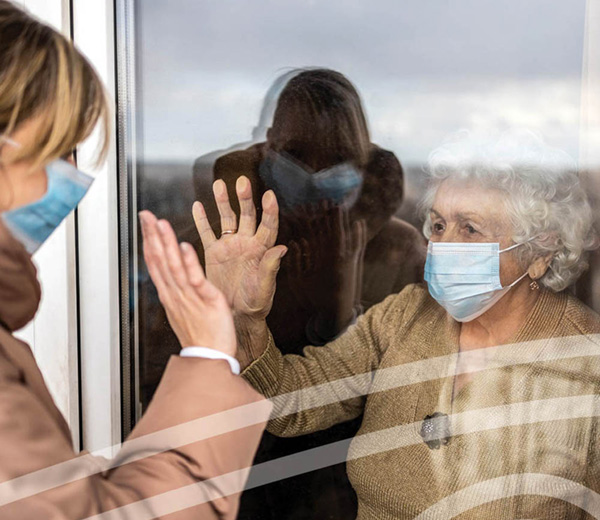
Christchurch-specific impacts
Ngā pānga motuhake ki Ōtautahi
The Christchurch engagements highlighted the city's experience was significantly shaped by its previous experience with crisis management following the 2010-2011 earthquakes. The region benefited from existing emergency management capabilities, strong local government systems, and community resilience built through previous challenges.
I feel that for Christchurch city, the fact that we had been through the earthquakes had prepared us for another such type of event where you have to make the best of staff, are flexible and overwhelmingly prepared to ad to serving the community.
Representative, Christchurch Councils Forum
Post-earthquake crisis experience often provided valuable lessons that could be effectively applied to the pandemic response. Local authority representatives said their existing relationships with community organisations, established communication systems, and experience with coordinating multi-agency responses, developed through earthquake recovery, proved invaluable during COVID-19. They noted it allowed for more effective coordination between agencies and better communication with communities.
Christchurch's experience also highlighted how previous crisis experience could be leveraged for pandemic response, but only if the lessons learned were properly documented and institutional knowledge was maintained. The engagements revealed that some earthquake response innovations had been lost over time, and some participants mentioned the need for ongoing investment in crisis management capabilities.
Waikato-specific impacts
Ngā pānga motuhake ki Waikato
Waikato was effectively isolated during Auckland lockdowns through arbitrary border placements that were not developed in consultation with local communities or authorities. This created 'lockdown by proxy' effects similar to Northland, where the region faced economic restrictions without the policy recognition or support provided to formally locked-down areas.
Some business forum participants noted the region's economic concentration around events like Fieldays created particular vulnerabilities, with the $0.5 billion annual economic contribution threatened by pandemic restrictions and timing changes. This demonstrated how regional economies built around specific industries or events faced unique risks that were not addressed in national planning.
Rural connectivity challenges in Waikato were like other regions, but many felt they were compounded by the proximity to Auckland restrictions. Communities that normally relied on Auckland for services found themselves cut off while lacking the infrastructure to access alternative support or information sources.
The arbitrary nature of border placement created frustration in Waikato, where communities that had close economic and family ties to Auckland were suddenly separated without consultation or consideration of local relationships and dependencies.
Not within the terms of reference for Phase Two
Kei waho i ngā tikanga whakahaere o te wāhanga tuarua
The topics summarised in this section are not within scope or are outside the terms of reference for Phase Two of the Inquiry.
Not within the Terms of Reference for Phase Two: what went well
Kei waho, i ngā tikanga tohutoro: ngā mea i angitu
Praise for international border closure and Managed Isolation and Quarantine (MIQ) facilities
Ngā mihi mō te katinga o ngā rohe o te ao me te whakahaere o te noho taratahi me ngā wāhi noho taratahi (MIQ)
People who expressed support of the border closure frequently stated that this action saved lives and claimed that the Government took reasonable measures to return overseas citizens. Good experiences in MIQ were recounted, while others said that it was difficult but necessary.
Support for lockdowns during 2020
Tautoko mō ngā rāhui 2020
Although Phase Two of the Inquiry particularly wanted to hear about the lockdowns of late 2021, people naturally wanted to tell us what they thought about lockdowns in general, or the initial lockdowns of 2020. Those that criticised the later lockdowns sometimes started their comments with support for 'the first' lockdowns, these were included in the thematic summaries above. But those whose commentary was limited to the 2020 lockdowns made the following points.
People who specifically stated they supported the decision to lockdown in 2020 often recounted high uncertainty around COVID-19 at that time. Some shared that they enjoyed their lockdown experiences and suggested that any negative economic impacts were minimal and/or were worth being safe.
Not within the Terms of Reference for Phase Two: what could be improved
Kei waho i ngā tikanga tohutoro: ngā mea hei whakapai ake
Criticisms of international border closure and MIQ
Ngā whakatakē mō te katinga rohe o te ao me te MIQ
People opposed to the border closure and lottery system expressed anger that Aotearoa New Zealand citizens were barred from entering their home country, especially given that entertainers were allowed entry. These people shared personal stories of difficulty returning home, frequently mentioning anxiety from dealing with overseas visa requirements, dying relatives, financial insecurity, and negative experiences in MIQ. There was agreement in these comments that the Government did not understand the hardship these people experienced.
Border closures prevented overseas recruitment that many sectors depended on, particularly in the aged care sector where most registered nurses traditionally came from offshore. This created critical staffing shortages that some representatives from the aged care sector we met with believe persist today, with some aged care facilities struggling to provide adequate care due to workforce gaps that cannot be filled domestically.
Skills shortages in construction and agriculture were exacerbated by border closures and participants across several engagements feel this continues to affect economic recovery. Some regional engagements documented how these shortages have created bottlenecks in infrastructure development and food production that affect the broader economy.
Lack of Long COVID support
Te kore tautoko mō te korouna roa
Most of the people discussing Long COVID expressed support for pandemic restrictions, although some suggested the vaccine contributed to lowering their immunity. People highlighted the impact of Long COVID on their quality of life, sometimes reporting financial struggles as they noted they were too sick to work but that social welfare payments were insufficient to cover their cost of living. People felt that there was no support available for dealing with their sickness, noting that they felt neglected and betrayed by the health system. The argument that safety precautions such as masks should have been continued was maintained in these comments, as submitters expressed fear of catching COVID-19 again.
Early in the pandemic and 2020 lockdowns
I te tīmatanga o te mate urutā me ngā rāhui 2020
Some people who highlighted opposition to the first lockdown specifically and solely, assessed the risks of COVID-19 as low and expressed frustration at both personal and nationwide negative economic impacts. Some people recounted bad experiences living in lockdown – for example, unsatisfactory living conditions or difficulties in giving birth with limited visitation rights for partners or the difficulties of being isolated with a newborn child at home.
The initial phase of the pandemic response was said to have demonstrated remarkable adaptability and innovation across all sectors and communities. Some organisations rapidly developed new service delivery methods, communities self-organised to meet emerging needs, and technology adoption accelerated in ways that would have taken years under normal circumstances.
Technology adoption was accelerated across multiple sectors in ways that many people felt provided lasting benefits. Telehealth services, online education options, remote work capabilities, and digital communication systems were often rapidly implemented and proved valuable beyond the immediate crisis period.
The early phases of lockdowns were described across multiple engagements as a 'war of resources' where larger organisations with established PPE and health materials procurement systems and relationships fared significantly better than smaller entities serving vulnerable populations.
Other out of scope comments
Ētahi atu kōrero i waho atu i ngā tikanga tohutoro
A range of non-mainstream ideas were raised in some submissions that were unrelated to the Government response to the pandemic. These included:
- concerns about 5G being harmful,
- 15-minute cities urban design being part of a global plan to restrict people's movements,
- a variety of theories about the origin of COVID-19,
- references to departments, institutions, documents, or bodies in United States (such as the Centre for Disease Control, the Federal Emergency Management Agency (FEMA) camps, and the First Amendment of the United States Constitution),
- claims that the Christchurch mosque attacks on 15 March 2019 were fabricated,
- commentary on weather modification and chemical trials, and
- claims of climate change being fabricated.
Not within the Terms of Reference for Phase Two: suggestions for the future
Kei waho i ngā tikanga tohutoro mo te wāhanga tuarua: whakaaranga mō āpōpō
International border closure and MIQ
Katinga rohe o te ao me te MIQ
- In order to increase numbers of people able to return to New Zealand, allow home isolation and other convertible quarantine facilities with dual use for non-pandemic times.
- MIQ should be at a specialised site, such as armed forces facilities, outside of major population centres to decrease disease spread.
- The border should close faster than it did during the COVID-19 pandemic.
- Temperature and RAT tests should be used more as an alternative to MIQ or a requirement to board a plane.
Improve health measures
Whakapakari ake i ngā tikanga hauora
- The Government should support people with Long COVID-19 without them having to 'jump through hoops'.
- The Government should cover COVID-19 sick leave.